7 Things In Your Makeup Bag That Could Be Making You Sick
#1 Mascara
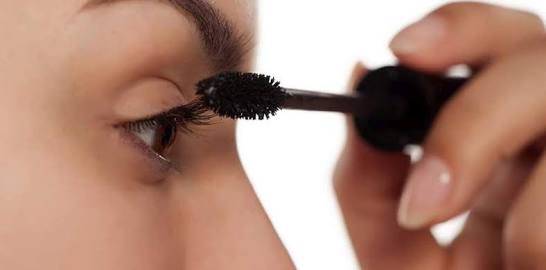
2014 survey showed that 70% of women use their mascara for way too long, generating a build up of bacteria and putting them at risk of severe eye infections, so you should really ditch the old, grimy wand.It's the product that has the shortest shelf life.If you do end up with an infection such as conjunctivitis, you should stop replace your mascara immediately afterwards to avoid the risk of re-contamination.
#2 Glitter
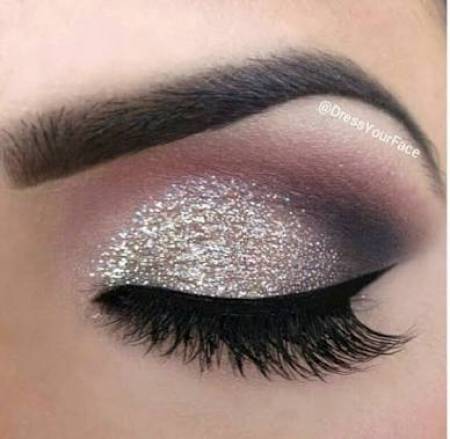
We've got sad news for fans of a sparkly eye - coarse grains of glitter can be really risky for your peepers. Both through application and wear, glitter particles can fall into your eyes and cause significant irritation, and even cause corneal abrasions, spelling bad news for your sight long-term.
Unlike many other items of makeup, safety isn't necessarily about keeping your glitter products clean or replacing them more often, so if you have particularly sensitive eyes or wear a lot of glitter on a regular basis you need to stop.
#3 Eyeliner
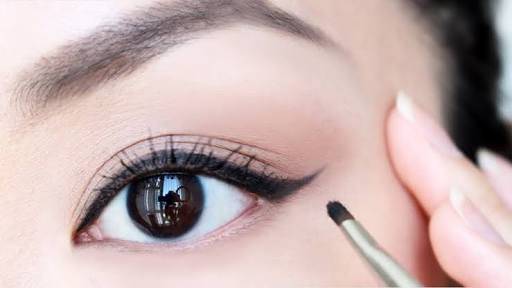
"Your pencils are the easiest to 'clean' you can just sharpen them and the top layer with any bacteria on it will be instantly removed. You can still spray it with a sanitising mist as well," Natalie advises.
However, while it's less hassle to keep on top of your pencil hygiene, they're not immune from risk - like your mascara, if you're using them on your eyes, they can easily cause and spread infection, and long-term use without regular cleaning can even eventually cause damage to your vision.
To avoid this, stop applying eyeliner inside the lash line, as this blocks the oil glands that protect your cornea, and replace your pencils at least every 18 months.
#4 Eyelash curler
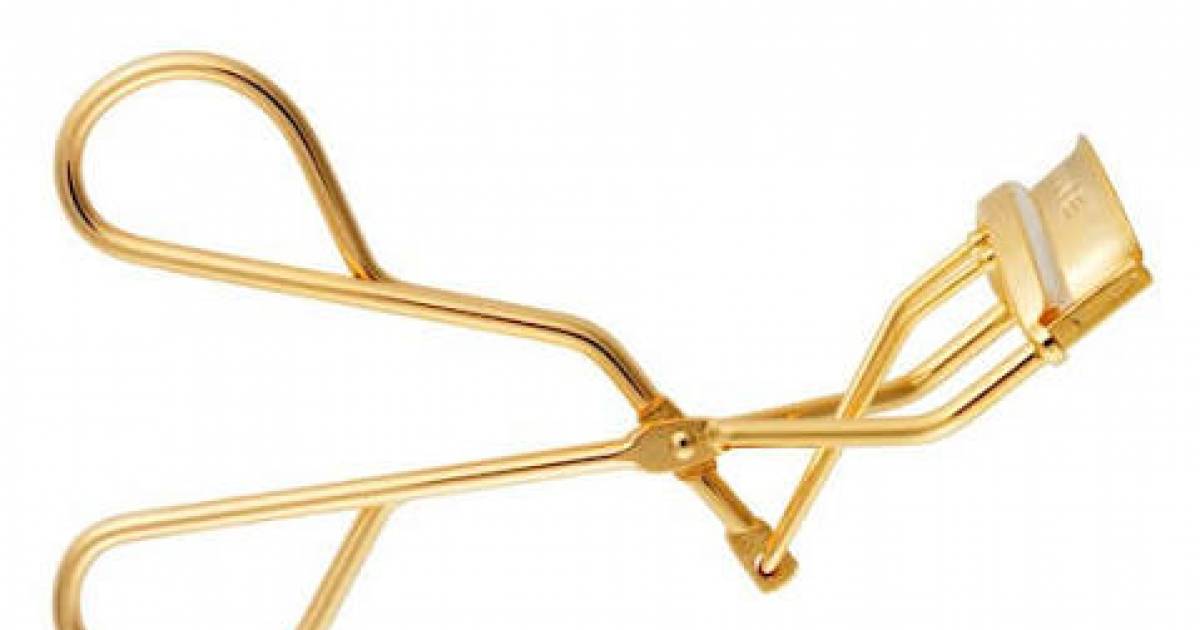
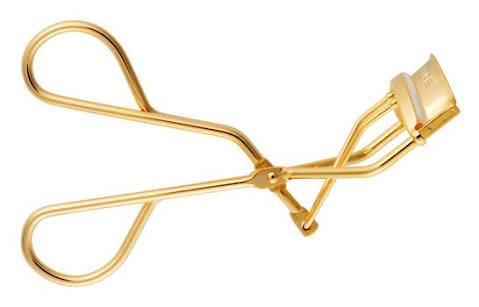
Even if you're a pro at washing your brushes, we bet your curlers fall by the wayside from time to time. However, the principle remains the same: leaving them clogged with dirty or old makeup and applying them to your eyes on a daily basis is basically asking for contamination, and the chances are higher if the rubber pads are cracked or stiff.
Soz to sound like a broken record, but not only can you do cosmetic damage snapping your lashes with your curlers, old eyeshadow and mascara get stuck to them, meaning that you can once again spread bacteria to the eye itself. Get into the routine of wiping off your curlers every time you use them, and wash alongside your brushes as frequently as you can with mild soap.
#5 Foundation
We've got sad news for fans of a sparkly eye - coarse grains of glitter can be really risky for your peepers. Both through application and wear, glitter particles can fall into your eyes and cause significant irritation, and even cause corneal abrasions, spelling bad news for your sight long-term.
Unlike many other items of makeup, safety isn't necessarily about keeping your glitter products clean or replacing them more often, so if you have particularly sensitive eyes or wear a lot of glitter on a regular basis, it might be time to kick the habit altogether (or wean yourself off with a metallic eye instead!) 


#6
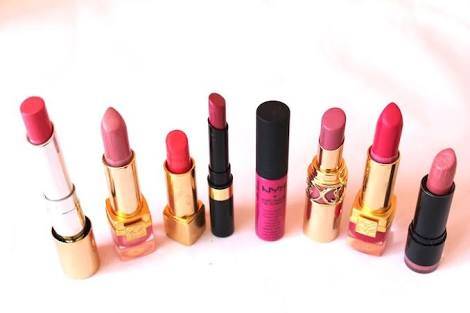
No one wants to spend £15 in MAC just to throw the tube away every 18 months - but that is the official guideline for replacement. Storing your lipsticks in the fridge can slow the break down of the parabens and essential oils that prevent germs, as does 'cleaning' your lipstick by wiping off the top layer before use if it's been out of rotation for a while, but even product that's had these preventative measures can retain enough bacteria to cause spots and coldsores.
And if your lipstick changes in colour or consistency or starts to smell funny, it's straight in the bin with it, Ruby Woo or not
#7 Makeup brushes
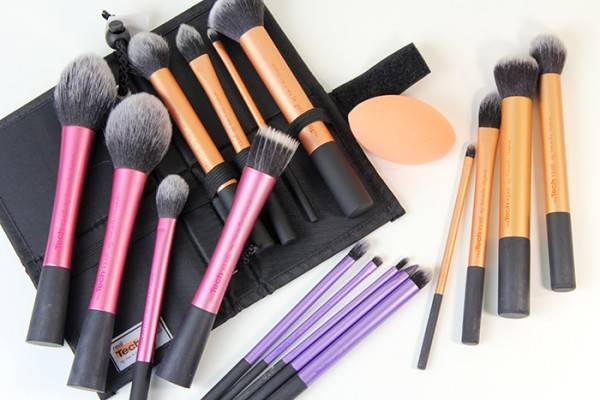
Makeup brushes carry the most germs as they go all around the face, are often stored in unhygienic conditions and are only washed on average once every four weeks! If you make one change, then I would advise you to wash your makeup brushes regularly and store them in a case that is also germ-free," says Natalie.
"Investing in a sanitising mist is definitely worth it." You should spritz the brush with the spray every time you use it, and wash them weekly, ideally - not doing so can worsen acne, and exacerbate other skin problems too.
"Never blow excess powder off brushes!" she adds. "Just think of all the bacteria you are blowing ONTO your brush"