Ancient Pagan and Occult Symbols and there Meanings
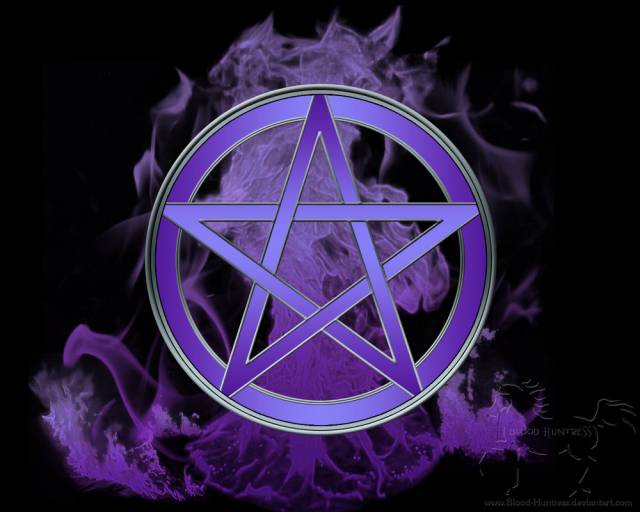
#1: Pentacle
The pentacle is a five-pointed star, or pentagram, contained within a circle. The five points of the star represent the four classical elements, along with a fifth element, which is typically either Spirit or Self, depending on your tradition. The pentacle is probably the best-known symbol of Wicca today, and is often used in jewelry and other designs. Typically, a pentacle is traced in the air during Wiccan rituals, and in some traditions it is used as a designation of degree. It is also considered a symbol of protection, and is used in warding in some Pagan traditions.
#2: Hexagram
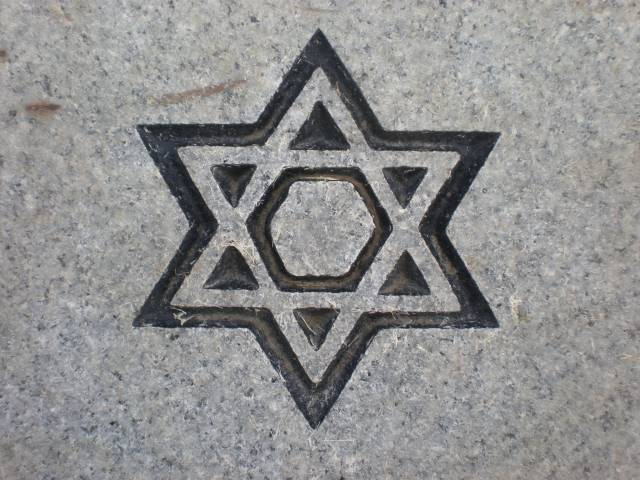
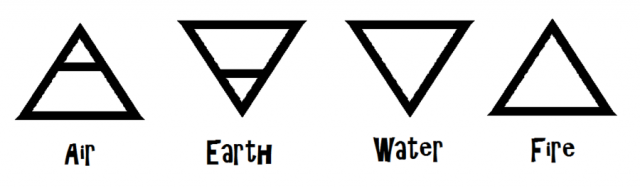
Traditionally, the Hexagram can be seen as the combination of the four elements. Fire is symbolized as an upwards pointing triangle, while Air (its elemental opposite) is also an upwards pointing triangle, but with a horizontal line through its center. Water is symbolized as a downwards pointing triangle, while Earth (its elemental opposite) is also a downwards pointing triangle, but with a horizontal line through its center. When you combine the symbols of Fire and Water, a hexagram (six-pointed star) is created. The same follows for when you combine the symbols of Air and Earth. When you combine both hexagrams, you get the double-hexagram. Thus, a combination of the elements is created.
#3: Elements
In traditional Western occult theory, the elements are hierarchical - spirit, fire, air, water and earth with the first elements being more spiritual and perfect and the last elements being more material and base. Some modern systems, such as Wicca, view the elements as equal.
#4: Triple Moon
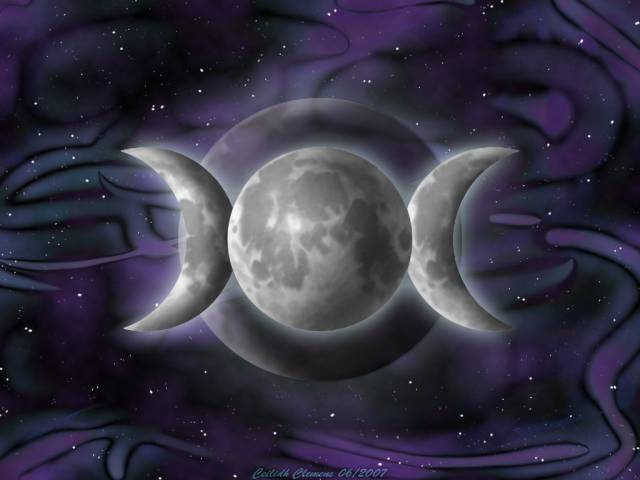
This symbol is found in many NeoPagan and Wiccan traditions as a symbol of the Goddess. The first crescent represents the waxing phase of the moon meaning new beginnings, new life, and rejuvenation. The center circle is symbolic of the full moon, the time when magic is at its most potent and powerful. Finally, the last crescent represents the waning moon meaning a time to do banishing magic, and to send things away.
#5: Triskele
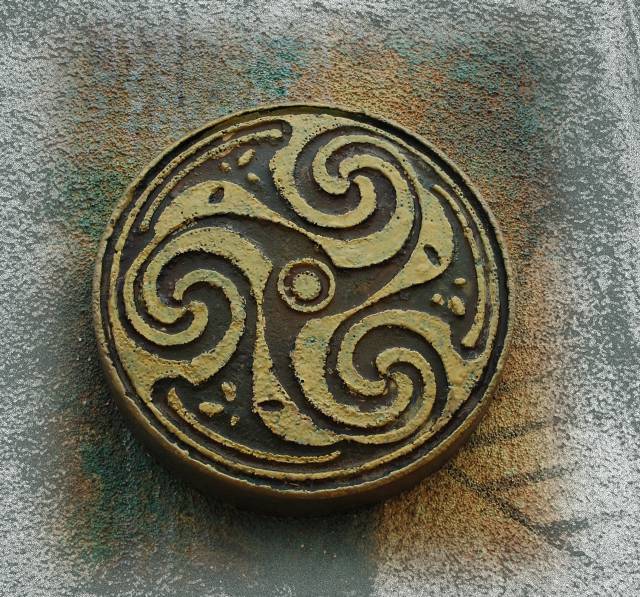
In the Celtic world, the triskele is found carved in Neolithic stones all over Ireland and western Europe. For modern Pagans and Wiccans, it is sometimes adopted to represent the three Celtic realms of earth, sea and sky.
#6: Triquetra
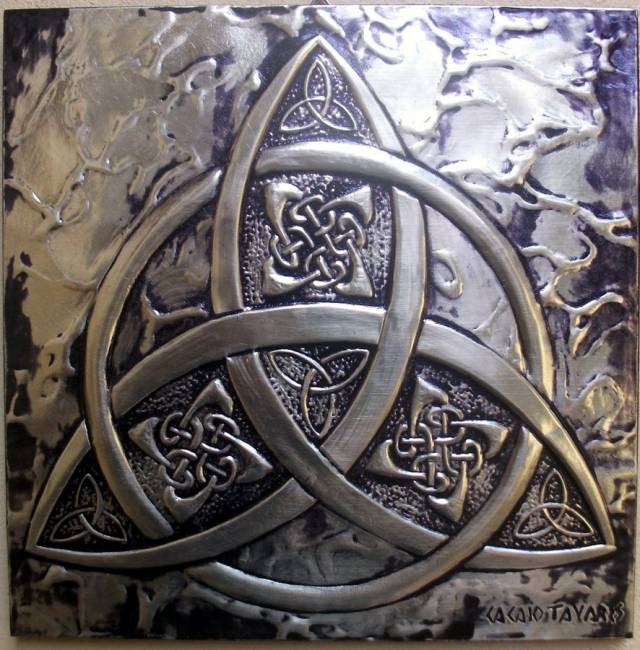
In some modern traditions, it represents the connection of mind, body and soul, and in Celtic-based Pagan groups it is symbolic of the three realms of earth, sea and sky.
#7: Sun Wheel
Although sometimes referred to as a Sun Wheel, this symbol represents the Wheel of the Year and the eight Wiccan sabbats. The term -sun wheel- comes from the solar cross, which was a calendar used to mark the solstices and equinoxes in some pre-Christian European cultures.
#8: Hrungnir's Heart
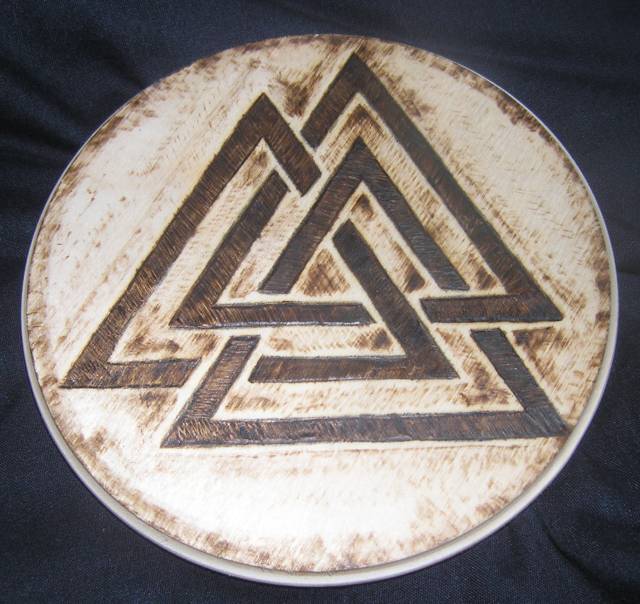
This norse symbol was first found on old Norse stone carvings called The Valknut which is also called "Hrungnir's heart," for the giant Hrungnir of the Eddas and is best knovvn as the Valknut, or"knot of the slain." It has been found on several stone carvings vvith funerary motifs, as is thought to signify the afterlife. The Valknut's three interlocking shapes and nine points are sometimes used to represent the rebirth, pregnancy, and cycles of reincarnation.The nine points are also suggestive of the Nine Worlds. Their intervvoven shape suggests also the interrelatedness of the three realms of earth, hell, and the heavens, and the nine domains they encompass.
#9: Mjolnir
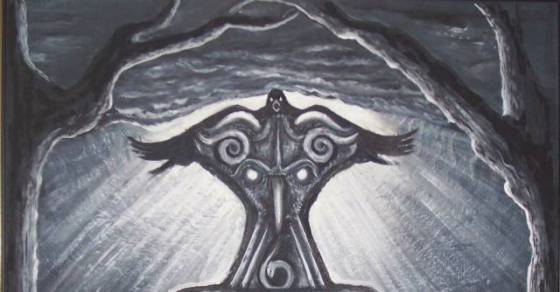
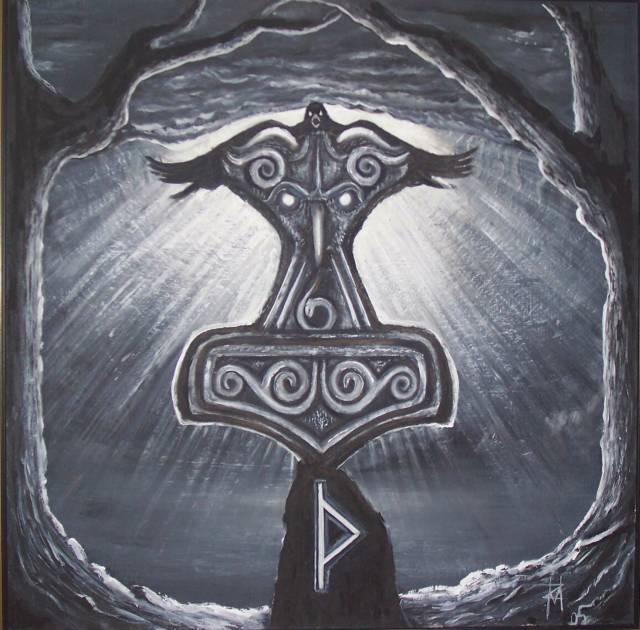
Typically used in Pagan traditions with a Norse background, such as Asatru, this symbol represents the power of Thor over lightning and thunder. The early Pagan Norsemen wore the Hammer as an amulet of protection long after Christianity had moved into their world, and it is still worn today, both by Asatruar and others of Norse heritage.
#10: The Sacred Spiral
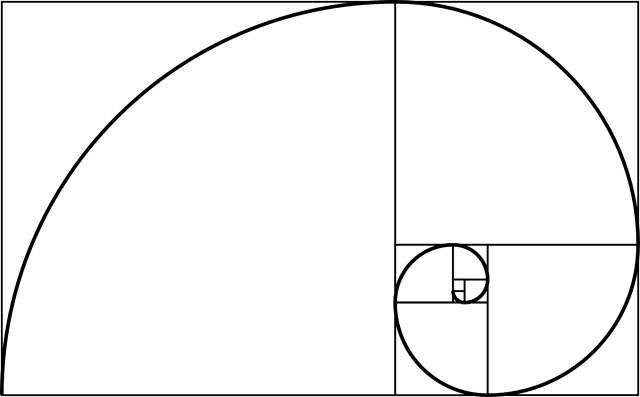
The spiral represents the universal pattern of growth and evolution. The spiral represents eternity and continuity. The spiral in nature appears frequently. It is a symbol that represents innocence, rebirth, and the eternal. The sacred spiral is also an energetic symbol, it represents energy. In fact if you look at pure energy under a microscope you will see that energy forms spiral patterns.
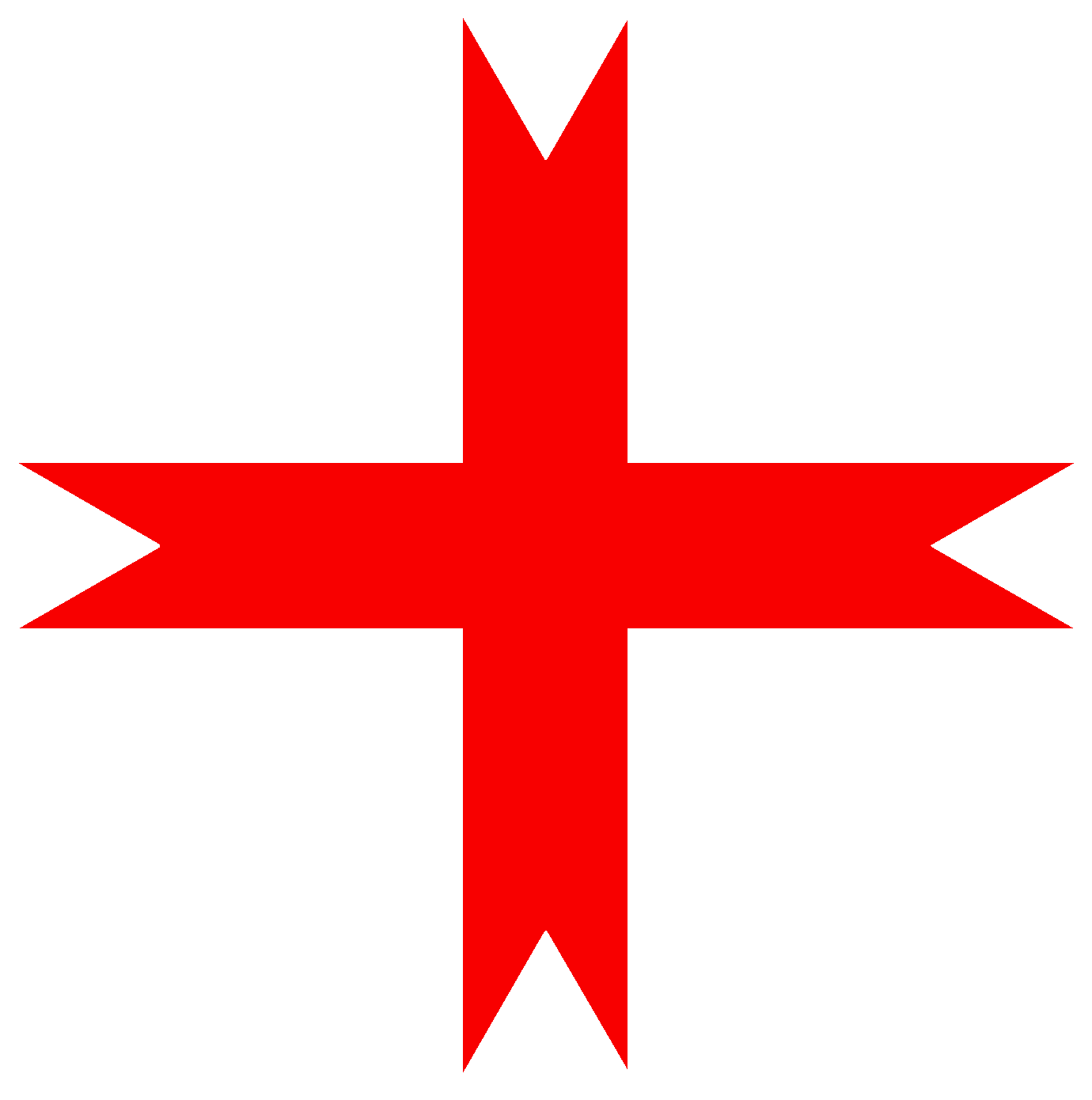
#11: Equal Armed Cross
Â
#12: Goddess
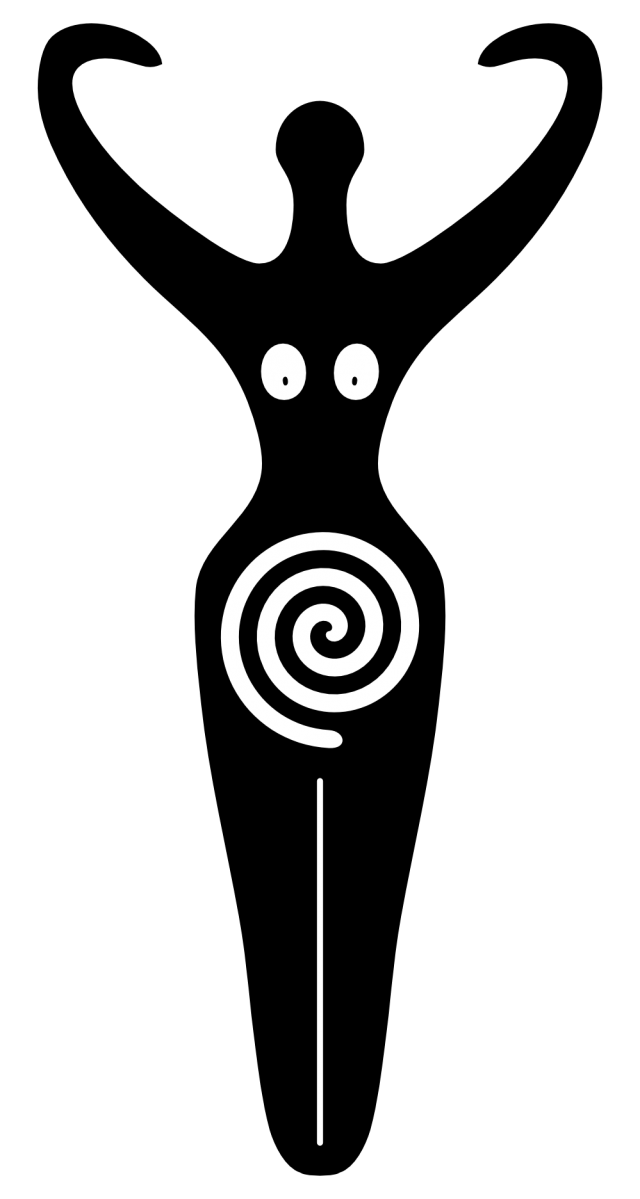
A goddess is a female deity. In some cultures goddesses are associated with Earth, motherhood, love, and the household. In other cultures, goddesses also rule over war, death, and destruction as well as healing. The Goddess if symbolic of regenerative, creative and life-giving energies of the universe. The goddess is the keeper of wisdom, she is the spirit of both Earth and the heavens. In ancient times the Goddess was a sacred symbol in many regions.
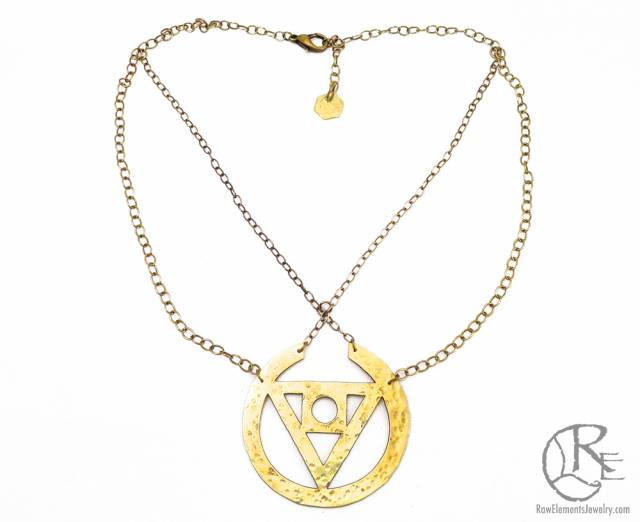
#13: Philosopher's Stone
Â
#14: The Inverted Pentagram
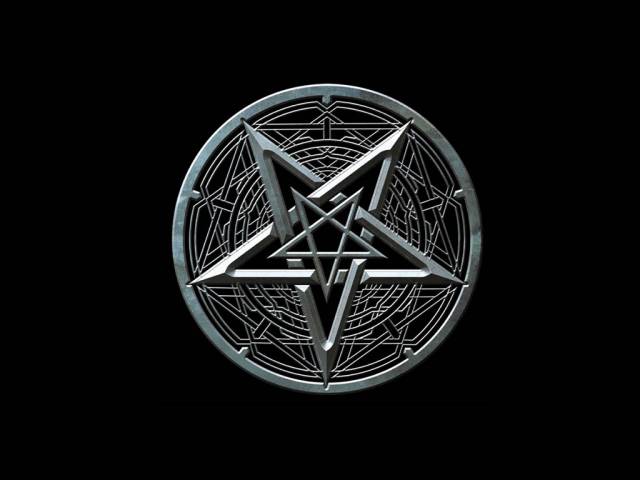
The inverted or upside down pentagram in Wicca is worn by second degree initiates, otherwise known as being in the Horns Up position, representing the Horned God among other things. Some don't actually get around to doing it, the jewelry itself is harder to obtain in its desired form, and I'm sure plenty would avoid or tire of explaining they are not Satanists!
#15: The Ankh
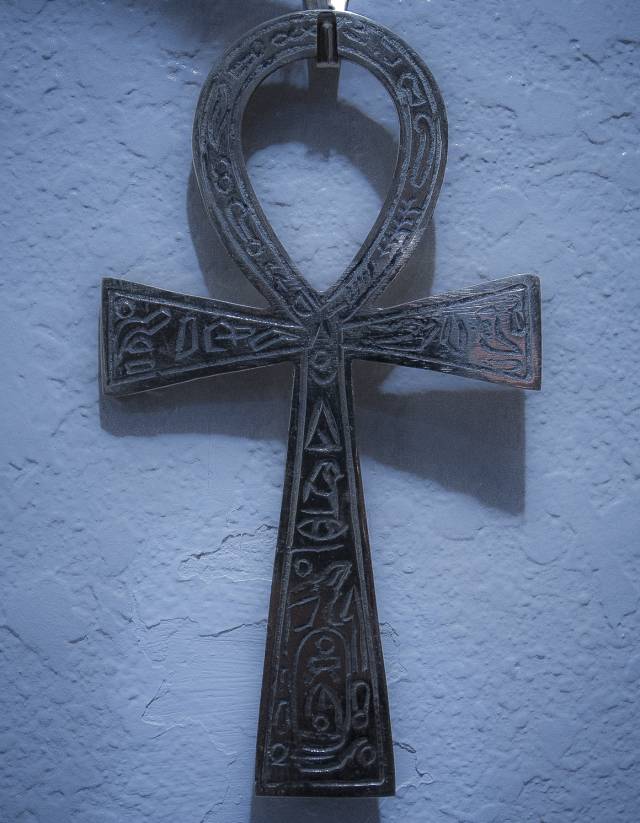
This is traditionally known as an Egyptian symbol that denotes rebirth as well as mythical eternal life. The power part of this symbol epitomizes the strength and the life that one can draw from the sun.