Having a garden can be really though, especially when you want the best for it.
Pretty flowers, charming pathways and creative projects here and there, it really requires some work. In this article we discuss which plants are good climbers. All of them are really special and not only they can give an instant boost to your garden, they can also cover old fences or walls. With spring in its bloom, this is the time when the climbers give the best of them blooming flowers in white, pink, blue and other colors. You may already heard of or even planted some of these, and if not definitely pick the one that is the most beautiful to you and check out when you can plant it.
Japanese Quince
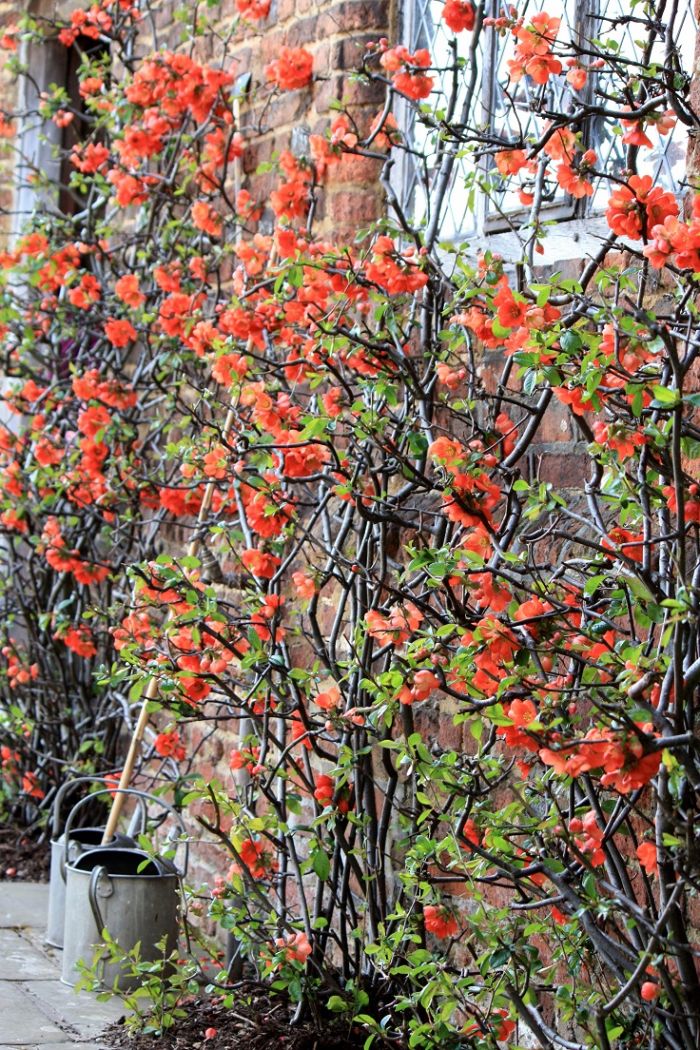
The Japanese quince is a great way to add some oriental feeling in your garden. During spring, it blooms and the little red flowers can really make your garden feel as if you were at Japanese garden. Looking after the Japanese Quince is easy for few reasons. They can be planted in most soils, with exception of very wet ones. They need to be planted in sun or in partially shade and if you want to make them bloom faster, just provide irrigation during dry periods. The Japanese Quince is generally a drought tolerant plant.
Halliana
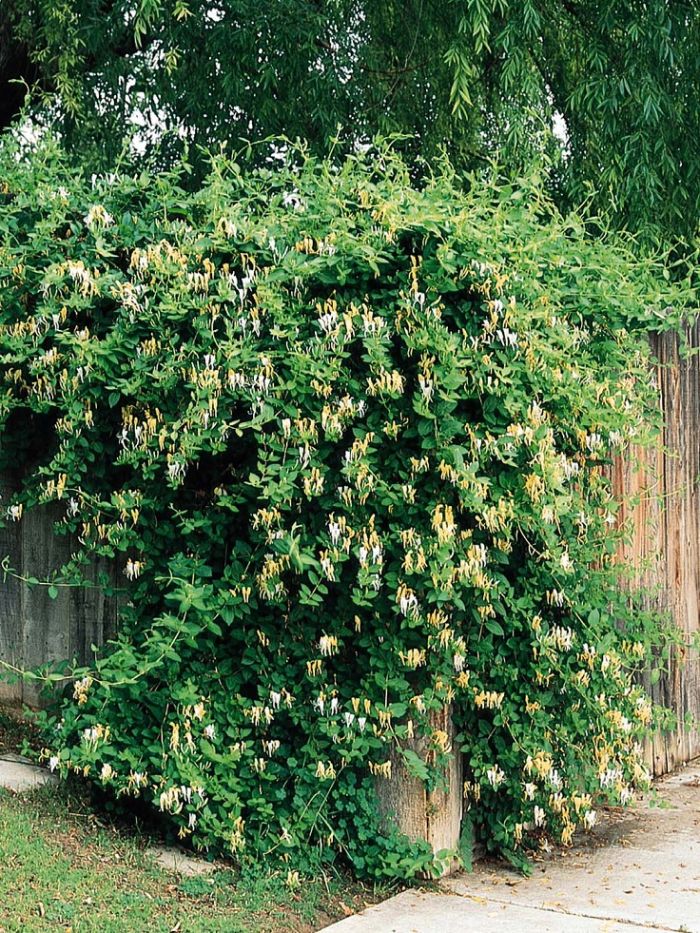
Halliana or also known as Japanese honeysuckle is a big, evergreen climber that has many green leaves and white and yellow flowers. Plant it moist and well drained soil and it is best if you plant it in partial shade, but the Halliana can tolerate full sun. When it comes to what type of soil you'll need, you can choose from chalk, clay, sand and loam. It can grow up to eight meters in height and spread up until 1.5 meters. It can take years to reach the ultimate height and spread, starting from 5 to 10 years. Make sure to prune it each spring.
Morning Glory
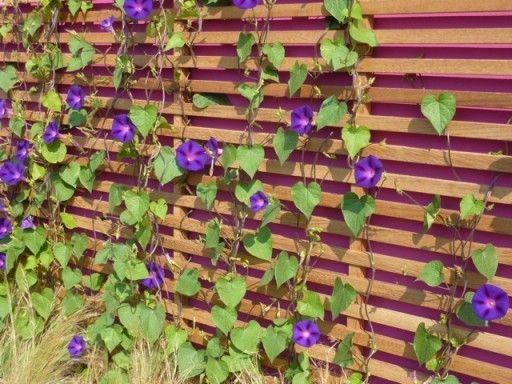
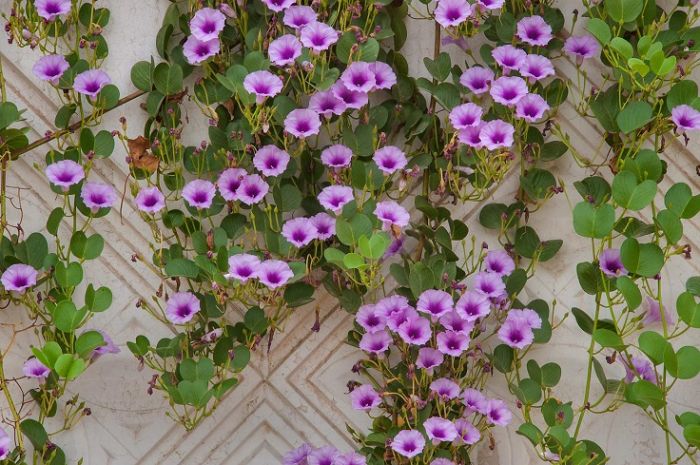
You may have already seen few varieties of the Morning Glory somewhere outside, but when it comes to your own garden, you should consider them as your choice! They look so pretty (the picture says everything). These petite flowers need full sun, moist and well drained soil, Seeds start to germinate in 5 21 days and they need to be watered until the root is established. Add organic compost prior to planting, because that will help in retaining moisture, but to keep the plants from wilting during hot days. You may need to use organic pesticides aphids and leafminers can attack Morning Glory!
Wisteria
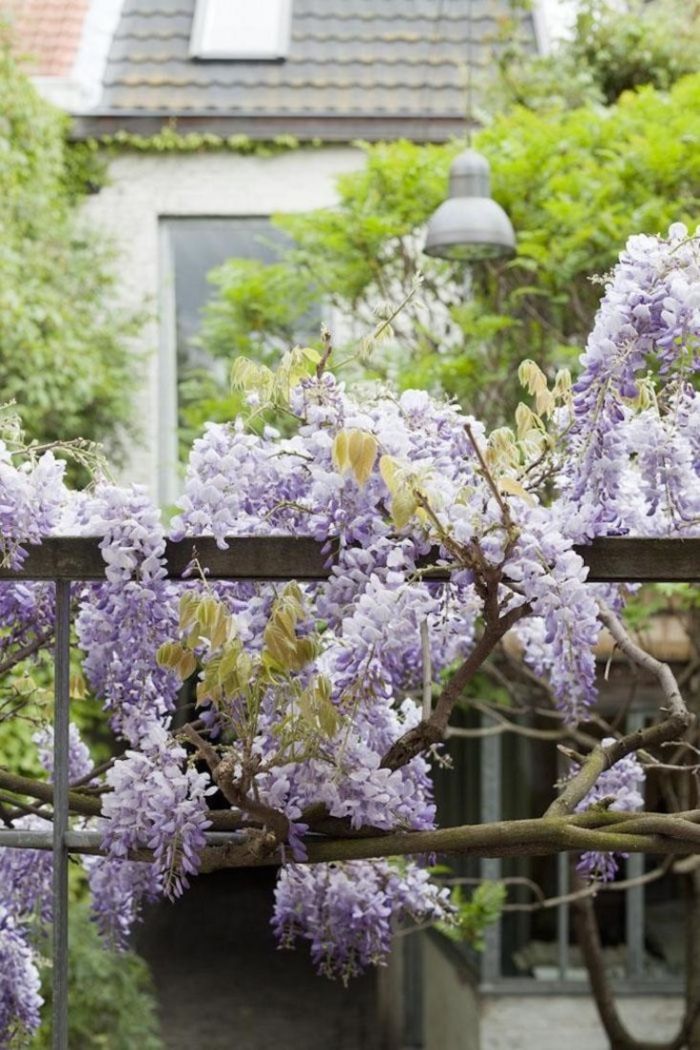
White, purple, pink or blue, no matter the color, the Wisteria is such a charming plant that has such enchanting scent. They are native to China, Japan and the eastern USA. If you want to grow Wisteria, know that they require sunny side or at least slight shade. It's recommended to buy Wisteria from cuttings or by grafting, because the seed raised need longer time to flower. Also, make sure to plant it in well drained and fertile soil. The Wisteria blooms in spring, but most of the trees begin to grow flowers within 3 4 years of planting. Pruning means shortening newly grown flowers in August and then again in February.
Rubens
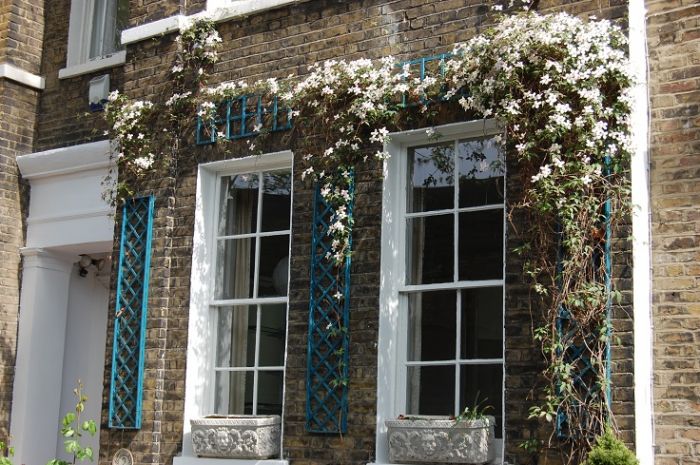
Rubens is a Clematis variety and is also one of the most rapid growing varieties. It produces many flowers, so be prepared to have such a floral garden! For the best result, plant the root in the shade and the stems in the sun. Make sure you plant it in moist and well drained soil. Garden soils such as sandy, loam, chalk or clay can do the trick. During spring time mulch with organic matter and add a general fertilizer. With good care, the Rubens clematis can grow up to eight meters. It produced flowers in late spring, but it can also produce in late summer as well. No matter which variety o
Beaumontia
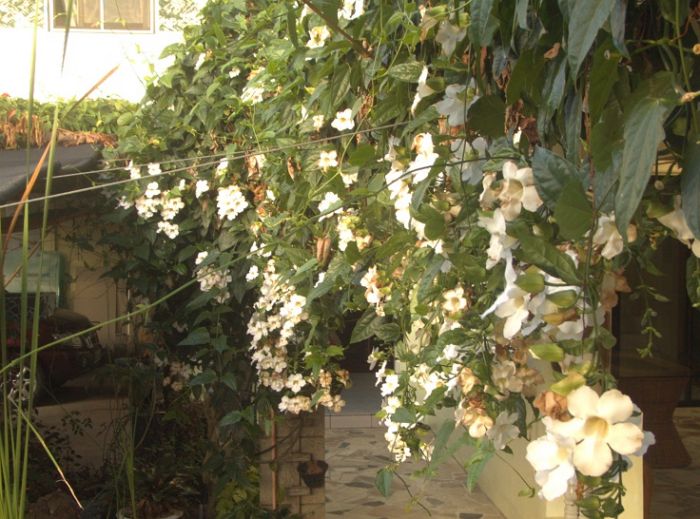
For the best results of this beautiful evergreen climber, make sure to plant it in full sun or light shades, but in tropical climate. It needs a rich and well drained soil. The beaumontia requires a lot of watering, but during winter it can suffer from wet soil. The best way to avoid this is to create a raised bed and add organic matter to improve the drainage. You don't have to prune it all the time, except if it gets too big, but make sure to always prune it after flowering, in order to have bloom next year. By taking good care, the beaumontia will reward you with plenty of white flowers!
Pyracantha
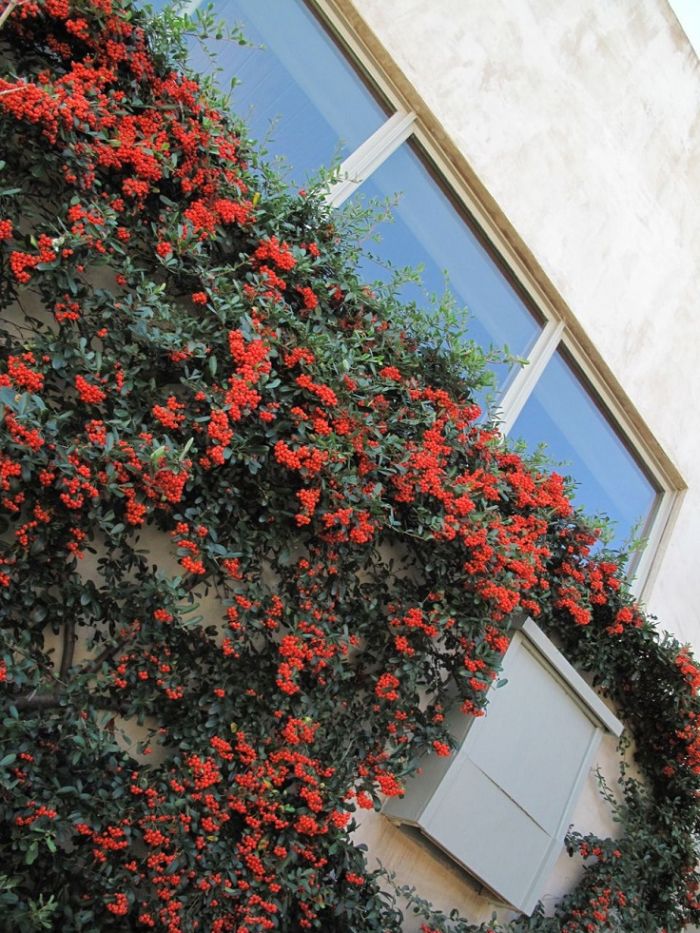
The Pyracantha is also known as firethorn and can be grown as a single plant or you can train it to grow against wall or fence. If you prefer the second option, in that case plant it at minimum of 50 cm from the wall or the fence, in order to avoid dry area. Add well rotted organic matter and balanced general purpose fertilizer to the soil where you plant it. Pyracantha requires regular watering in the first few years after the planting, but after that you will have to water it occasionally. When pruning, make sure to wear gloves because the Pyracantha grows long and sharp thorns.
Hydrangea
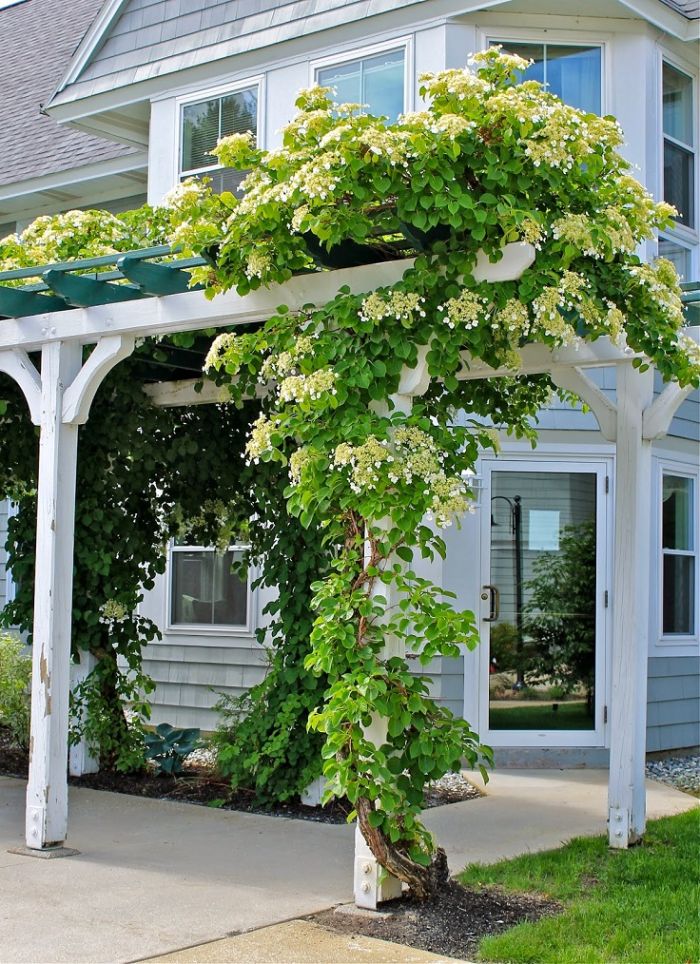
The best time to plant hydrangea is during early spring or in Autumn. If you do it in summer, it will need more water in order to establish the roots. Watering is needed once per week, but if the weather is too hot or dry, it's better to water twice or so. Because of this, it is really important to plant the hydrangea on a soil with good drainage, but also be careful to not plant in a too wet soil in that case the roots can rot. Also, plant them in a place where they can be protected from strong winds or hot sun. Hydrangeas can grow for years without the need of pruning, but if you come to that point, you should check out the guidelines for your type of hydrangea.
Jasmine
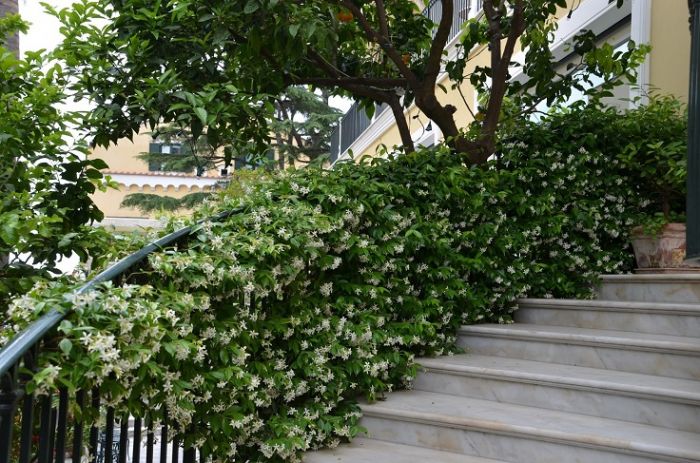
Where to plant the jasmine depends on the variety you choose. If you go for the summer jasmine, plant it in south or south west facing spot with full sun, while if you go for the winter jasmine you can plant it partial shade, but in south east or north west facing spot. They need frequent watering in summer and less in winter. When it comes to pruning, the summer jasmine is best to prune after watering in late summer or early autumn, while the winter jasmine needs to be pruned only in spring after watering. However, both varieties can tolerate hard pruning and renovation. They belong to the woody climber group and can grow 5 8 meters both height and spread.
Climbing Roses
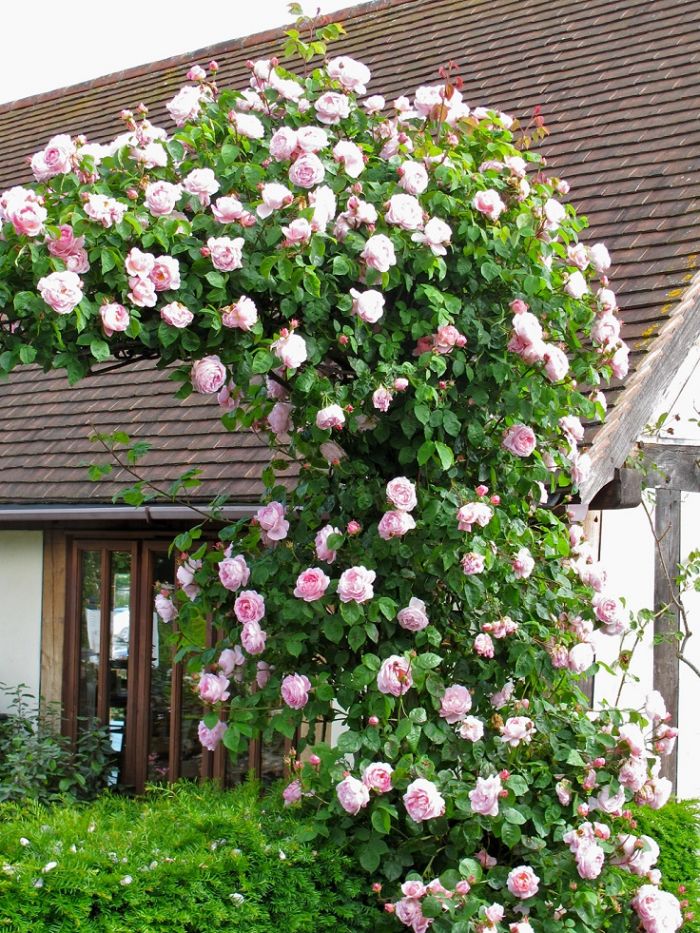
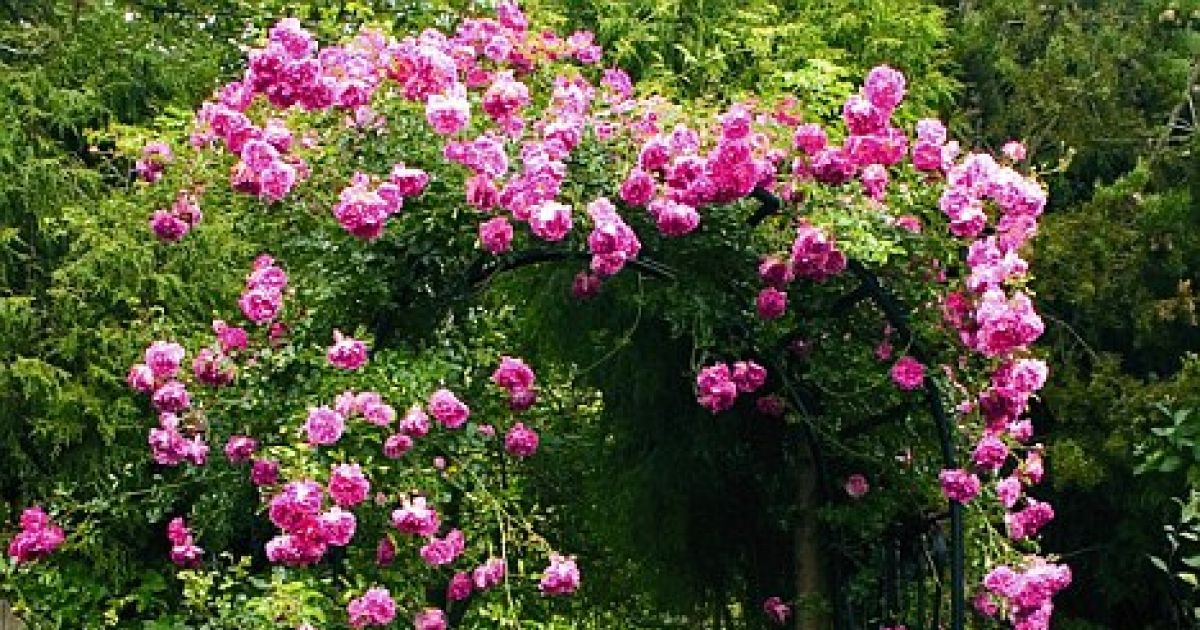
Climbing roses can certainly give a huge boost to your garden. It's a way to make it really, really prettier. If you decide to go for roses, here are some things to know. In order to promote bloom, let them always to grow full size unlike other varieties of roses, the climbers don't bloom that fast. To train them the right way, try using plastic wrapped wire ties. Others, such as rubber ties or velcro will be damaged from the weather. When it comes to pruning, do that from December until February. Make sure to fan canes out in order to avoid overlapping. This will also make space for new growth the next season.