
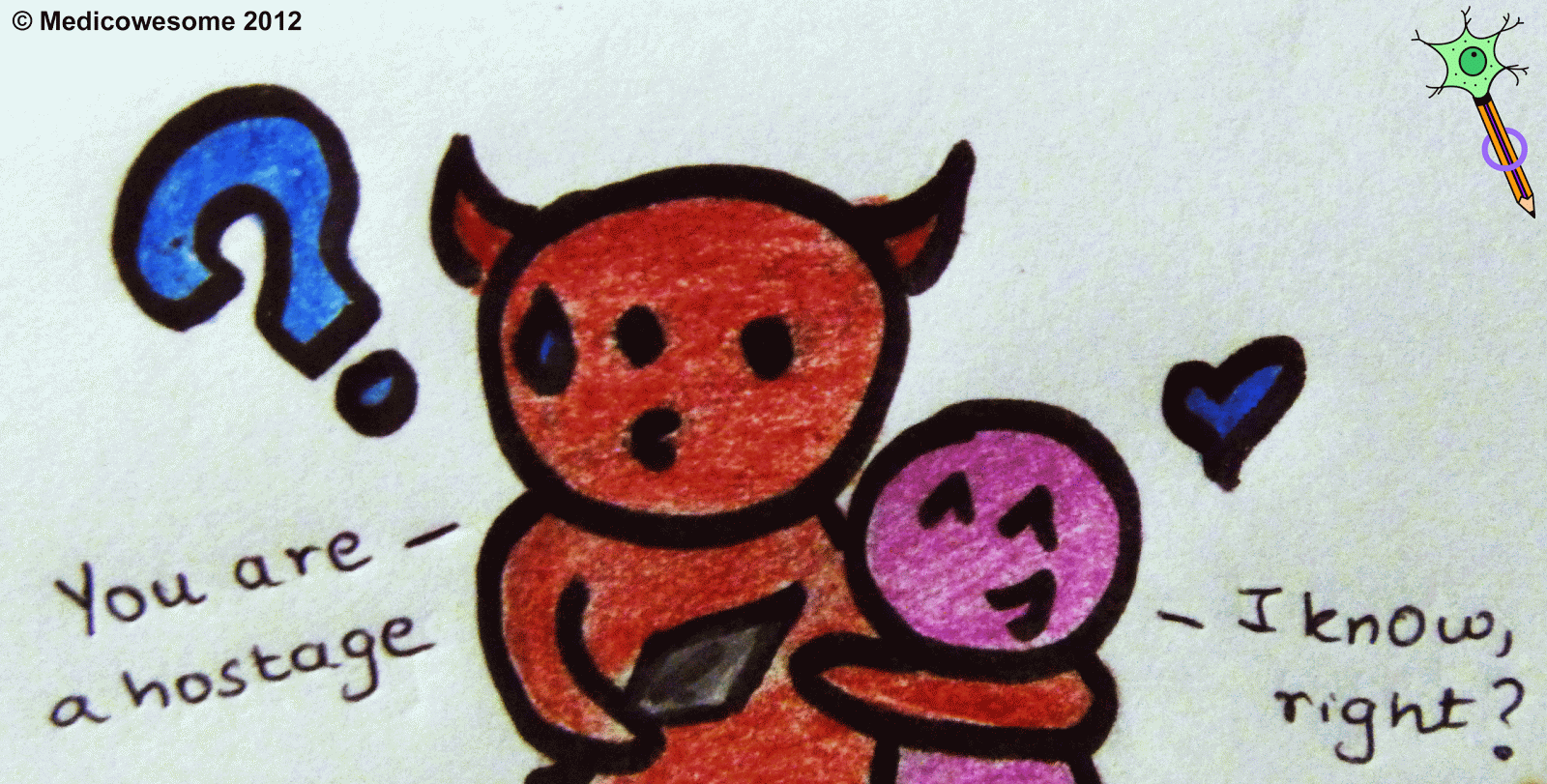
#1: Stockholm Syndrome
Â
#2: Triskaidekaphobia
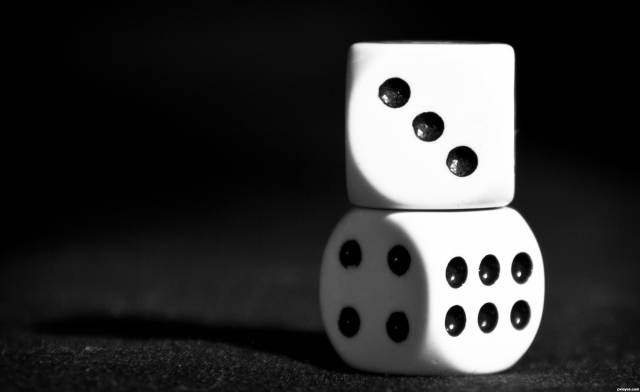
What's your lucky number? Maybe anything but the #13″? Triskaidekaphobia is the fear of the number "13″, while the fear of Friday the 13th is called paraskavedekatriaphobia or friggatriskaidekaphobia. The fear is deeply rooted in numerous cultural and religious believes, often referred to as "evil". Tetraphobia is the fear of the number 4 in China, Japan, and Korea.
#3: Alien Hand Syndrome aka Dr. Strangelove Syndrome
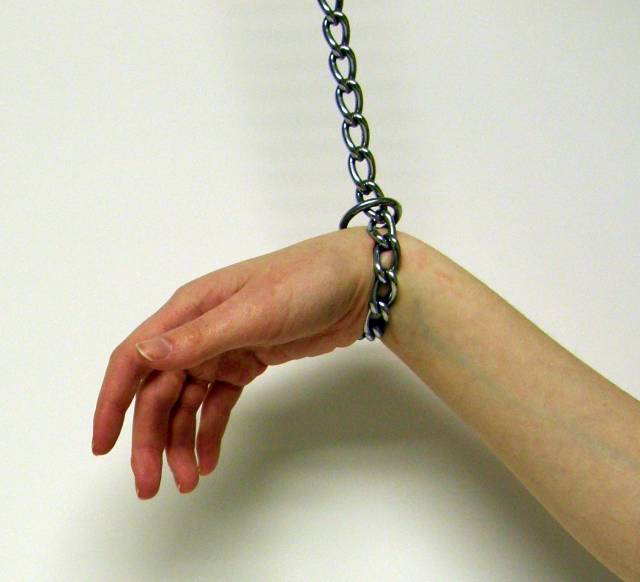
When your hand does what it wants The alien hand syndrome is a neurological order in which one of the sufferer's hands seems to take on a mind of its own. Having no control over "Alien hands", they can perform complex acts such as undoing buttons, removing clothing, and manipulation of tools.
#4: Foreign Accent Syndrome
It is a widespread belief that foreign accents will immediately make you more attractive to the opposite sex. But sometimes your average Macho with the foreign accent isn't actually a foreigner or putting on an act to get laid: The Foreign Accent Syndrome is a rare condition following a head injury, trauma or stroke. This syndrome causes someone to speak their native language as if they had a foreign accent. Research has shown on that patients suffering from this condition, the brain's speech center was affected and damaged.

#5: Kleptomania
Kleptomania is a disorder that compels people to steal things, from paper clips to toilet rolls. Basically anything and everything, things with little or no value whatsoever. Some aren't even aware that what they are doing is theft until later.

#6: Cotard or Cotard’s Syndroma
Out of all strange and bizarre mental conditions, I certainly wouldn't want to suffer from this creepy one: Cotard's Syndrome makes a sufferer believe that he or she is dead, non-existent, is putrefying or has lost his/her blood or internal organs. Rarely, it can include delusions of immortality. First described by neurologist Jules Cotard in 1880, it wasn't until April 2007 when it finally received scientific legitimacy.

#7: Synesthesia
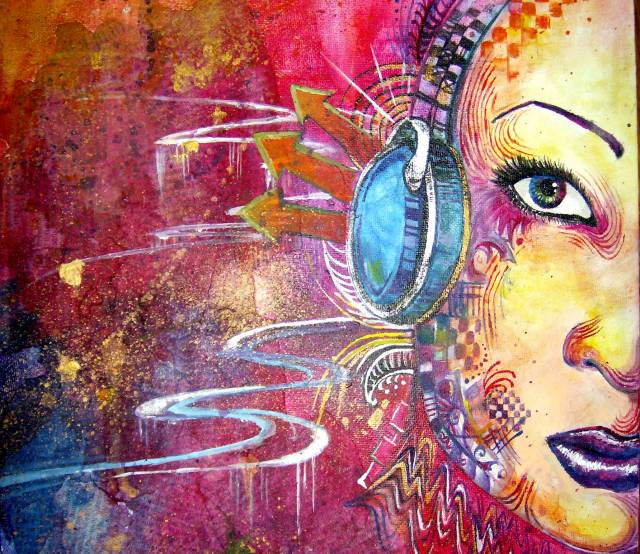
What sounds like the effects of mind altering drugs, is a neurologically based phenomenon whereby the stimulation of one sense causes the automatic stimulation of another, resulting in the ability to taste shapes, see music etc. So for instance one could perceive the number "13″ as the color pink, or (2Girls1)Cup could taste like chocolate ice cream and "Islam" could smell like feces.
#8: Fregoli Delusion
A sufferer believes that different people are in fact a single person who changes appearance or is in disguise. The condition is named after the Italian actor Leopoldo Fregoli and was first reported in 1927 when a 27 year old woman became convinced that she was being persecuted by two actors whom she often went to see at the theatre. She believed that these people "pursued her closely, taking the form of people she knows or meets."

#9: Bigorexia
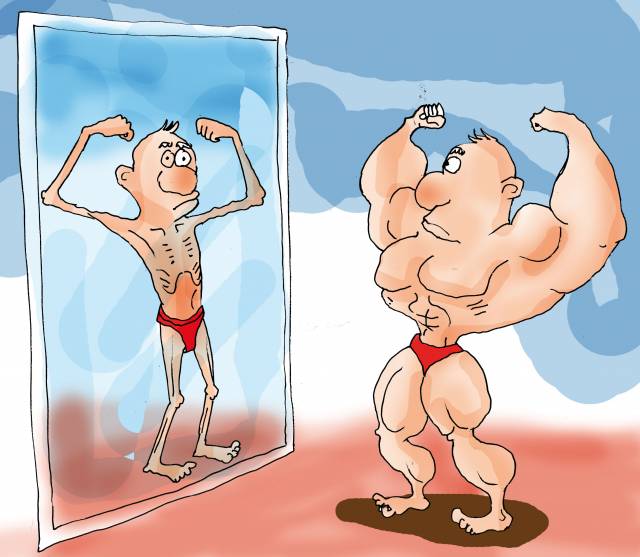
Bigorexia is sometimes called reverse anorexia and is a disorder in which an individual becomes obsessed that they are not muscular enough. Symptoms include: constant checks in front of the mirror, becoming distressed if a gym session is missed, taking steroids and neglecting personal relationships / work.
#10: Bibliomania
What may be seen as educational collections, could very well be an obsessive-compulsive disorder. Bibliomania is obsessively collecting books to the point where social and family relationships suffer or are damaged. A sufferer would also purchase multiple copies and editions of the very same book.

#11: Alice in Wonderland syndrome
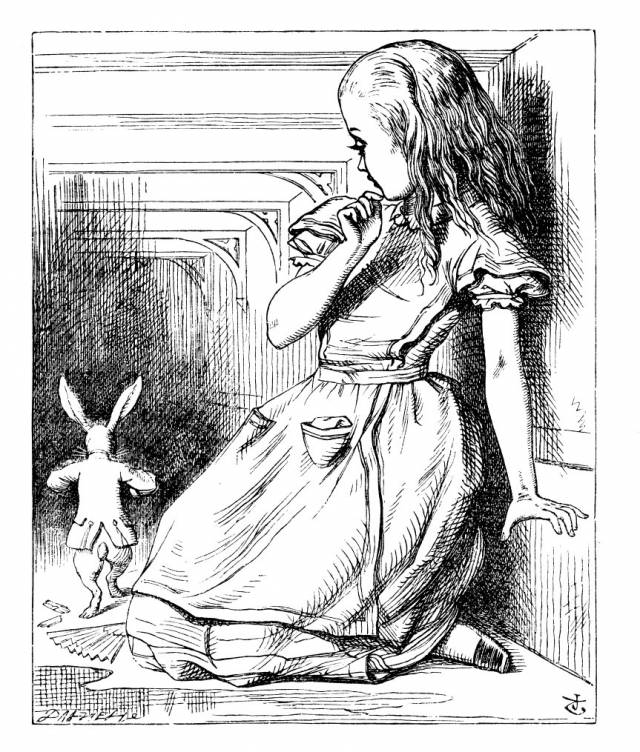
This may sound familiar to drug users: AIWS or Micropsia is a condition in which a patient's sense of time, space and body image are distorted. People may appear tiny or patients may feel that part of their body shape or size has been altered. A sufferer may perceive humans, parts of humans, animals, and inanimate objects as substantially smaller than in reality. Normal sized car may look like miniature models and your average size pet dog shrinks to the size of a mouse. Another name for the condition is Lilliput sight or Lilliputian hallucinations.
#12: Apotemnophilia
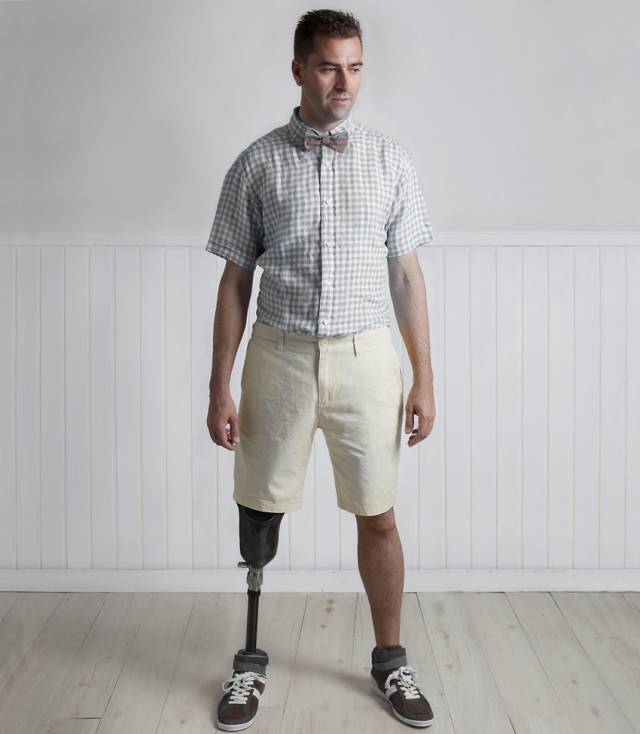
Apotemnophilia Is quite disturbing: also known as Body Integrity Identity Disorder (BIID) or Amputee Identity Disorder is a mental disorder where a person experiences the overwhelming desire to amputate healthy limbs or other parts of their body. In extreme cases sufferers take it upon themselves to amputate their own limbs. BIID also applies to those who wish to alter their bodily integrity in general. Acrotomophilia is the sexual attraction to other people who are already missing limbs.
#13: The Jumping Frenchmen of Maine
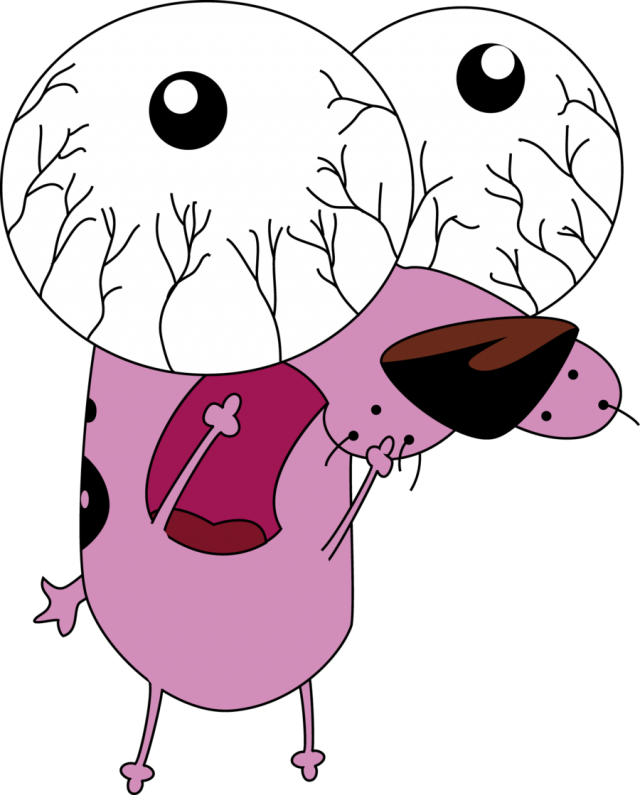
This condition involves being extremely startled by an unexpected noise or sight. Patients with the disorder flail their arms, cry out and repeat words. First identified in some of Maine's lumberjacks of French-Canadian origin, the odd reflex has been identified in other parts of the world, too. If you're interested in mysterious, strange and bizarre disorders and illnesses, I recommend reading Nancy Butcher's "The Strange Case Of The Walking Corpse"
#14: Stendhal Syndrome
We all like looking at beautiful things but for some people too much is just too much, mentally. Stendhal or Standhal's Syndrome is a psychosomatic illness that can occur when an individuals is exposed to a large amount of beautiful art in a short space of time. The symptoms one would experience include: rapid heartbeat, dizziness, confusion and even hallucinations. It's apparently quite common amongst tourists and seems to be triggered by famous works of art, areas of natural beauty, anything "breathtaking" and even whole cities of cultural/artistic or other importance.

#15: Androphobia
Androphobia is an abnormal and persistent fear of men, not to be confused with misandry, which is hate for men. Androphobia sufferers experience anxiety even though they know they know they may face no threat at all. Androphobia is one of infinite possible phobias, and as such can be traced back to a specific triggering event, usually a traumatic experience at an early age.