There are more than 100 types of cancer, including breast, skin, ovarian, lung, pancreatic, colon, prostate and lymphoma.
Cancer-Fighting Superfoods You Should Add To Your Diet
By
Editorial Staff in
Health and Fitness
On 27th March 2016
advertisement
Cancer is the nation's second leading cause of death,
and every day it seems we learn about a new risk factor or something we need to stop doing or avoid to reduce our chances of getting this deadly disease.

But the good news is that eating the right foods can help you protect yourself against cancer.
A diet rich in fiber, vegetables, and fruits, including juices made from 100 percent fruit juice, can make a big difference in your cancer risk. Add 30 minutes of moderate activity five or more days a week and you'll reduce your cancer risk even more.
advertisement
According to the WHO, new cancer cases are expected to rise by about 70 percent over the next 15 to 20 years.
A few factors known to increase your risk of cancer include aging, excessive smoking, excessive alcohol intake, excessive exposure to the sun, obesity, exposure to harmful chemicals and secondhand smoke, and genetics.

So which foods should you eat?
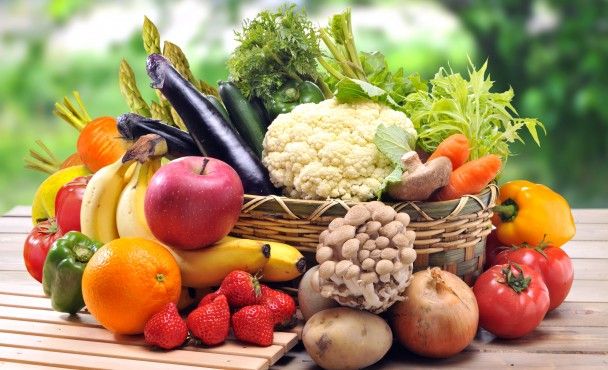
Look for foods with phytochemicals which are found in beans and cruciferous vegetables like broccoli, cauliflower, cabbage, brussels sprouts, and kale. Dark green leafy vegetables like spinach, romaine lettuce, and collard greens are packed with fiber, lutein, and carotenoids, all cancer-fighting substances. Foods rich in the vitamins C, E, and A, all antioxidants themselves, can protect you from cancer by preventing the growth of free radicals in your body, so stock up on oranges, avocados, and apricots!
advertisement
While you cannot control hereditary and some environmental factors,
you can still lower your risk of cancer by making healthy diet and lifestyle choices.
A well-planned diet can help prevent many cancers. In fact, there are many superfoods rich in antioxidants and phytochemicals that offer anti-cancer benefits.

advertisement
What IS a Superfood?
A Superfood is the newest name scientists, nutritionists, and doctors have tagged onto foods with an especially "good for you" reputation! Most superfoods are in the fruits, vegetables, and nuts/seeds categories. They have extremely high nutritional values, and some of their chemicals have been found to reduce the effect of certain disease processes.

advertisement
Do Superfoods really help prevent cancer?
It gives me great pleasure tell you that many superfoods do indeed prevent cancer.
advertisement
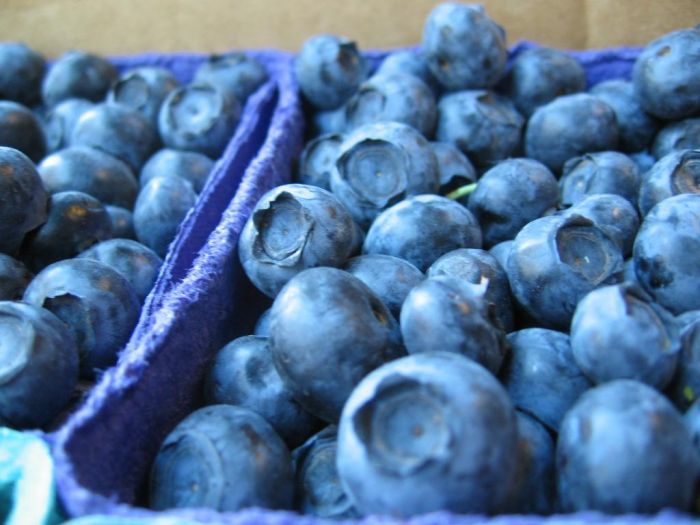
Blueberries
Blueberries are rich in cancer-fighting phytonutrients and antioxidants. These berries neutralize free radicals that can damage cells and lead to diseases including cancer. They also contain vitamins C and K, manganese and dietary fiber, which also help in lowering cancer risk.
A 2013 study published in the Anticancer Agents in Medicinal Chemistry journal supports blueberries as an anti-cancer fruit. It also states the need for more preclinical studies to highlight the cancer-preventive ability of blueberries.
These berries help reduce the risk of different types of cancer, including mouth, ovarian, colon, liver, prostate, lung, skin and breast.
To reap the anti-cancer benefits, eat ½ to 1 cup of fresh or frozen blueberries daily.
advertisement
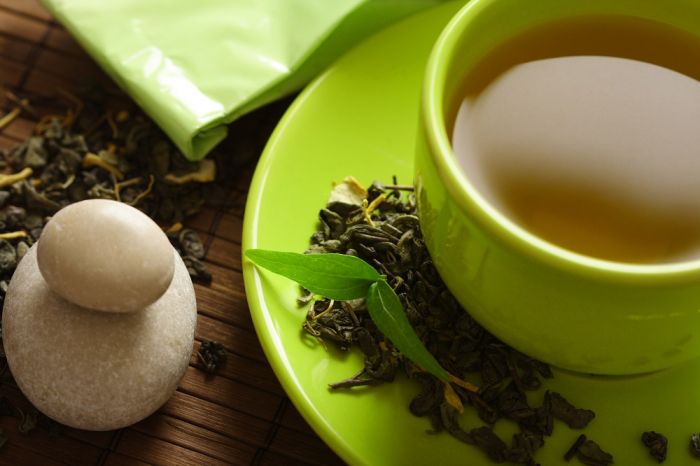
Green Tea
Green tea is a popular beverage that can help reduce the risk of various cancers. The compounds found in green tea, such as catechins, xanthine derivatives, epigallocatechin-3-gallate (EGCG) and epicatechin, help prevent the development of cancerous cells. Green tea even helps prevent free radicals from damaging cells.
According to a 2008 review of studies on green tea and cancer prevention published in the journal Chinese Medicine, green tea demonstrates protective effects on gastrointestinal, breast, lung and prostate cancers. However, more prospective studies are needed.
Drink 3 to 4 cups of green tea daily to reap its anti-cancer benefits. You can even take green tea extracts after consulting your doctor.
advertisement
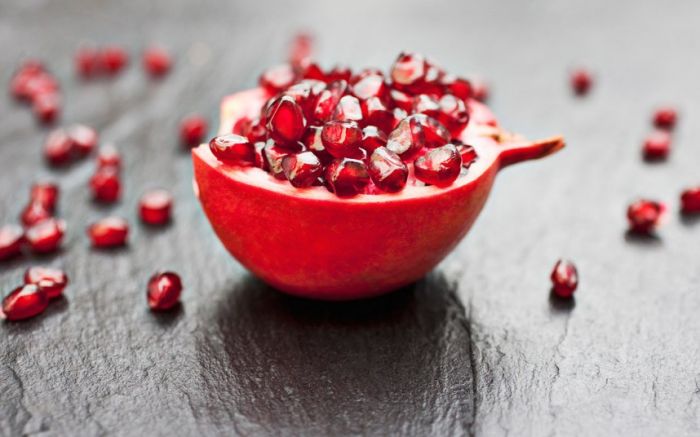
Pomegranate
Another superfood that has anti-cancer benefits is pomegranate, which contains a good amount of antioxidants. This juicy fruit also has a mixture of phenols, flavonoids, anthocyanins and tannins that help modulate cellular biochemistry.
Its polyphenols, in particular, help keep a check on various biological events involved in cancer pathogenesis and progression. Pomegranate is effective in reducing the risk of breast, colon, liver, skin and prostate cancers.
Add this fruit to your morning cereal, smoothie, fruit salad or drink its juice to fight cancer.
advertisement
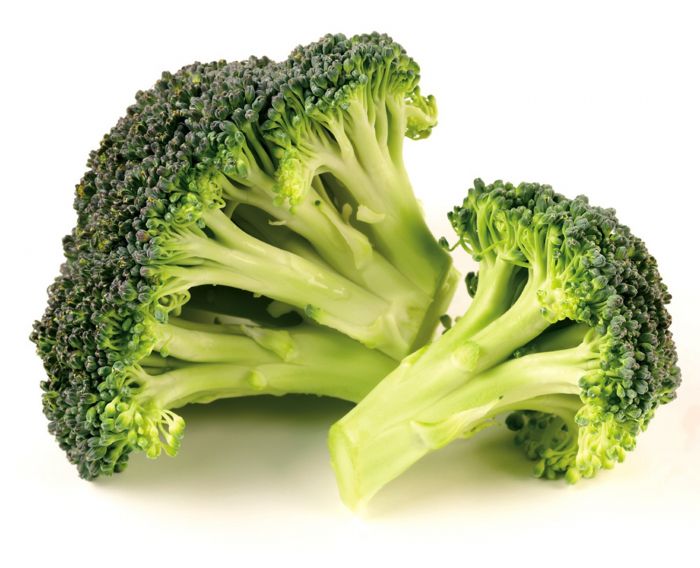
Broccoli
Eat your broccoli to reduce the risk of cancer. This cruciferous vegetable contains compounds called glucosinolates, which produce protective enzymes in the body.
One of these enzymes is sulforaphane that helps reduce cancer risk by flushing out cancer-causing chemicals. Sulforaphane also targets cancer stem cells that aid in tumor growth.
A 2011 study by scientists at the Linus Pauling Institute at Oregon State University concluded that sulforaphane in broccoli helps prevent cancer.
Broccoli is effective in protecting against mouth, breast, liver, lung, bladder, esophageal and stomach cancers.
Eat about 2 cups of broccoli, boiled or steamed, 2 or 3 times per week.
advertisement
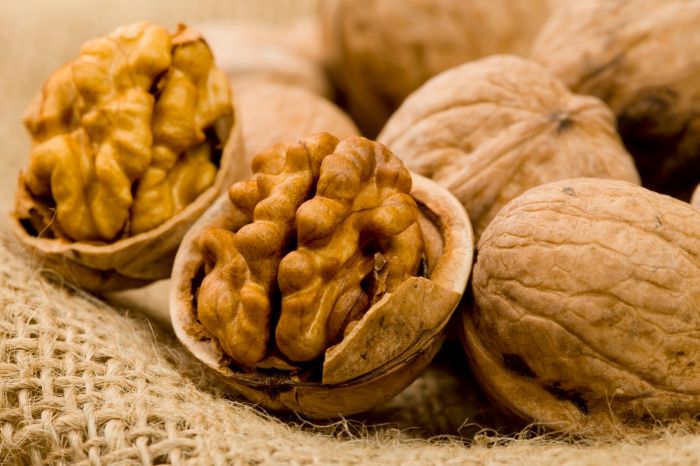
Walnuts
Another superfood that reduces the risk of cancer is walnuts. These healthy nuts contain a good amount of polyphenols and phytochemicals that have antioxidant properties. They also are rich in anti-cancer compounds, such as ellagitannins, gamma-tocopherol, and alpha-linolenic acid.
A 2012 American Institute for Cancer Research study shows that walnuts help prevent breast cancer in animals. They can also reduce the risk of prostate and skin cancer.
Eat 1 ounce of walnuts daily (7 shelled walnuts) to reap the anti-cancer benefits. You can add walnuts to salads, soups or smoothies.
Garlic
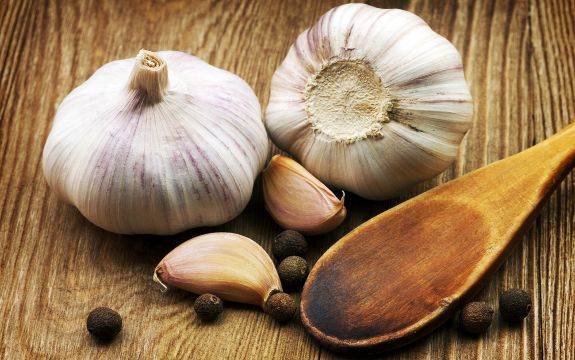
Garlic contains components like sulfur as well as arginine, oligosaccharides, flavonoids and selenium, all of which may be beneficial to reduce the risk of various cancers. Regular garlic intake can slow down the progression of cancerous cell growth.
A 2013 study by the American Association for Cancer Research concluded that there is a protective association between raw garlic intake and lung cancer.
Also, a 2000 study published in the American Society for Clinical Nutrition journal states that high intake of raw or cooked garlic imparts a protective effect against stomach and colorectal cancers.
For anti-cancer benefits, raw and cooked garlic are more effective than garlic supplements. So, start eating garlic to prevent this deadly disease.
advertisement
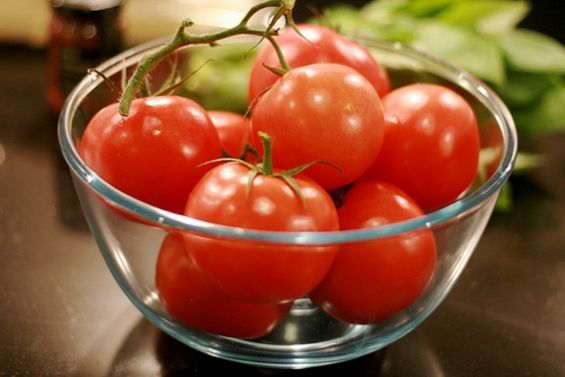
Tomatoes
This juicy fruit is a good source of lycopene, a powerful antioxidant that helps fight cancer. Lycopene boosts the immune system and protects cells from damage.
It also stops abnormal cell growth. In addition, it is a good source of vitamins A, C and E, which prevent free-radical damage in the body.
In a 2013 study published in the Journal of Nutritional Science and Vitaminology, researchers found that men who ate more tomatoes and tomato-based products, both raw and cooked, were less likely to develop prostate cancer.
Tomatoes are also effective at reducing the risk of endometrial, breast, lung and stomach cancers.
Eat 1 cup of sliced tomatoes on a daily basis. To enjoy the maximum anti-cancer benefits, also include tomato sauce, paste and juice in your diet.
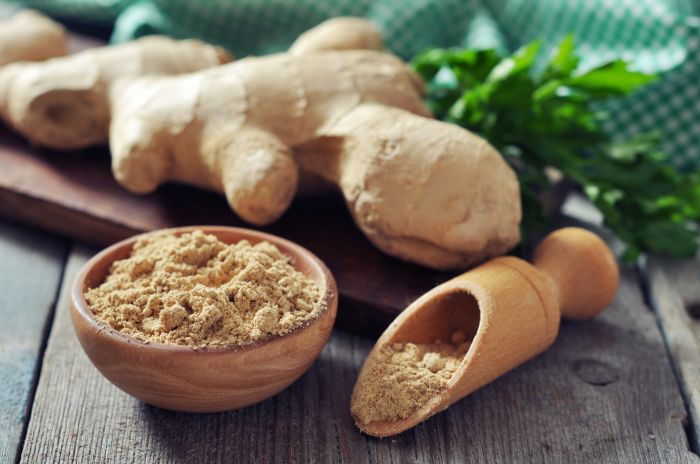
Ginger
Ginger also helps reduce the risk of various types of cancers. Its antioxidant property inhibits the growth of cancerous cells.
A 2007 study published in the BMC Complementary and Alternative Medicine journal demonstrates ginger's ability to combat ovarian cancer. It works by blocking the cancer from growing, limiting its ability to spread.
Also, a 2012 study published in the British Journal of Nutrition found that ginger is effective in preventing prostate cancer.
This superfood can also prevent the onset of colorectal, lung, breast, skin and pancreatic cancers.
Drink 2 to 3 cups of ginger tea daily and include ginger in your cooking. If you prefer to take a supplement, always consult your doctor first.
advertisement
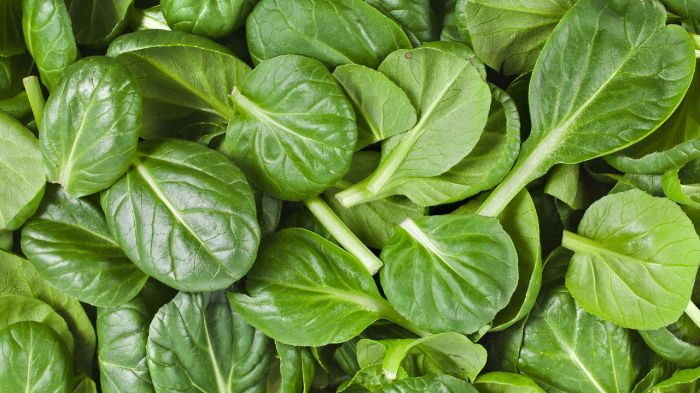
Spinach
Spinach is a rich source of lutein, an antioxidant that plays a key role in guarding against cancer. In addition, the zeaxanthin and carotenoids in spinach protect your body from free-radical damage. The beta-carotene, vitamin A, folate and fiber in spinach also play a major role in preventing cancer.
Regular intake of this dark green leafy vegetable can protect against mouth, ovarian, lung, endometrial, colorectal, esophageal and stomach cancers.
Eat 1 cup of spinach a few times a week. Add it to your salad, soup, smoothie or mixed vegetable juice. As spinach is high in oxalic acid that can prevent the absorption of iron and calcium in the body, have a glass of orange juice or a tomato when you eat spinach. Avoid eating spinach if you are on an oxalate-restricted diet.
Grapes
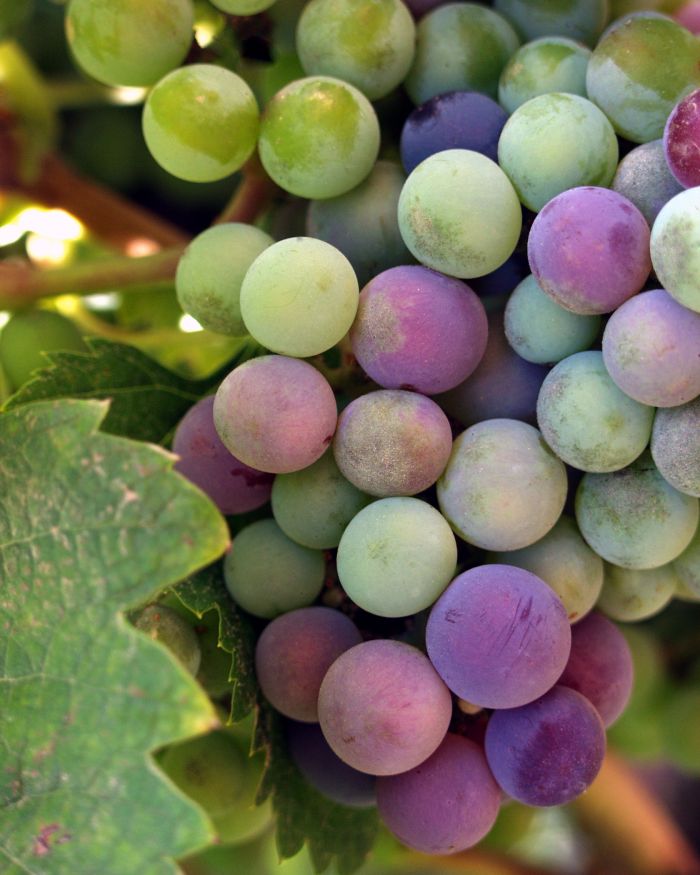
Both grapes as well as grape seed extracts are rich in the antioxidant resveratrol that offers anti-cancer benefits. It blocks the action of a protein that causes cancer growth. In addition, the anti-inflammatory properties of grapes prevent chronic oxidative stress and chronic inflammation, two main causes of cancer.
According to a 2005 study published in the Journal of Agricultural and Food Chemistry, the polyphenols from muscadine grapes exhibit anti-cancer properties.
Also, a 2009 study published in the Journal of Nutrition concluded that both grapes and grape-based products are excellent sources of various anti-cancer agents.
Eat a cup of grapes daily. If you prefer to take grape seed extract, consult your doctor for the correct dosage.