

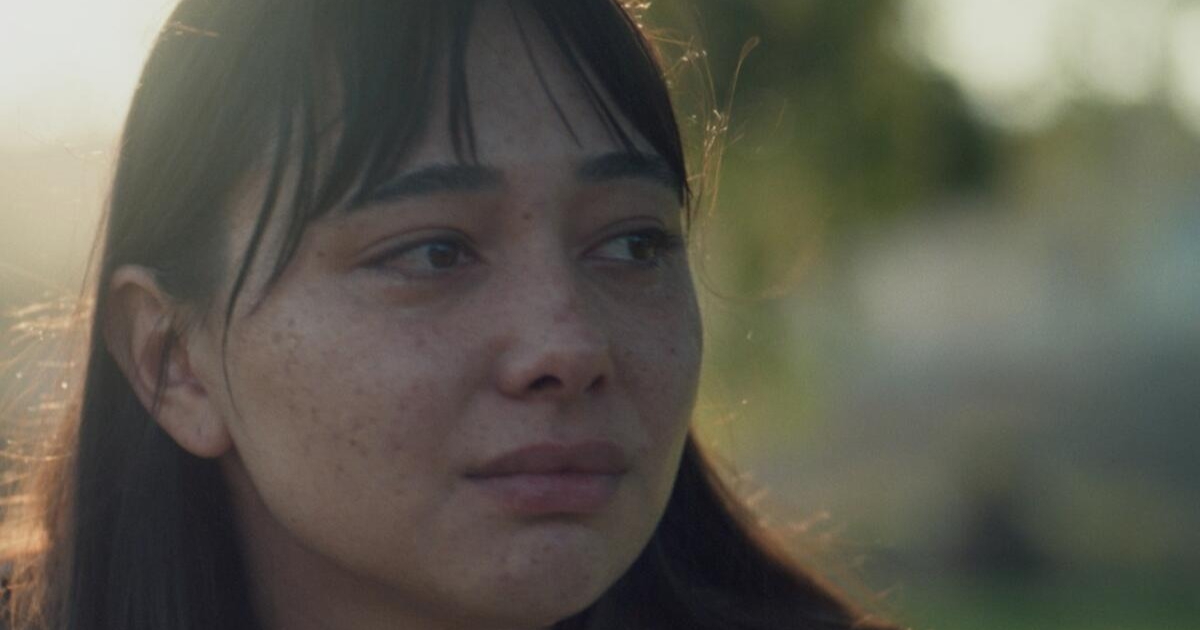
Sophia Maddox learned in 2022 that her father, Daniel Arguelles, was Charles Manson's biological son, then began tracing the painful patterns hidden in their family history
advertisement
The hardest part of Sophia Maddox's discovery was not simply seeing Charles Manson's name appear in her family tree. It was looking back at her father's life and noticing details that seemed to echo the childhood of the notorious cult leader she had just learned was her grandfather.
Maddox, 26, received the news in 2022 after a match on a genealogy website helped identify her father Daniel Arguelles' biological dad. The result pointed to Manson, who was convicted over the 1969 Tate-LaBianca killings after directing members of his cult.
She turned the aftermath into the Hulu documentary My Grandfather Charles Manson. Rather than treating the discovery as a simple family-tree surprise, the film follows her fear about what the connection could mean for her identity. Early on, she says: "I come from a murderer. Who the f*** would accept me?"
The violent history behind the family name
The name Maddox uncovered is tied to the Tate-LaBianca murders, a series of killings carried out in Los Angeles over two nights in August 1969. Manson directed followers to the home of actor Sharon Tate, where Tate, Jay Sebring, Abigail Folger, Wojciech Frykowski, and Steven Parent were killed.
The following night, members of the group killed supermarket executive Leno LaBianca and his wife, Rosemary, inside their home. Manson did not personally carry out those seven killings, but prosecutors argued that he had ordered and controlled the plan. He was convicted of murder and conspiracy alongside several followers.
That history is why Maddox's discovery carried more than the shock of finding an unknown relative. She was suddenly linked to a name that had been repeated for decades in court reports, books, movies, and true-crime programs, while the victims and their families remained at the center of the real loss.
advertisement
In an interview with The Guardian, Maddox explained that Arguelles was conceived during a one or two-night stand. She believes her grandmother had an idea that Manson was his biological father, even though the truth was never openly discussed while Arguelles was growing up.
Maddox said her grandmother 'kept the secret to her grave'. She also believes the woman carried 'shame and rage' connected to Manson and directed those feelings toward Arguelles while raising him.
That secrecy left Arguelles with two separate wounds: he did not know the identity of his biological father, and he did not receive a clear explanation for the anger he faced at home. Maddox's film treats that missing history as a key part of the pain that later moved through their family.
Why Sophia Maddox chose to film the family discovery
Long before Manson's identity came to light, Maddox often heard her father speak about never meeting his biological dad. When Arguelles finally learned the truth, he kept it from his daughter for two months 'because it was so dark' and struggled to work out how to tell her.
For Maddox, recording what followed felt natural. She said she had grown up 'pretty isolated and lonely', and storytelling gave her a way to make sense of experiences that were difficult to discuss. In her words, it was simply 'how I was built and raised'.
The project soon moved beyond the initial reveal. Maddox began comparing Manson's background with Arguelles' life and found what she called 'eerie' points of overlap. The men shared a physical resemblance, but both had also been born to teenage mothers and had grown up without their biological fathers present.
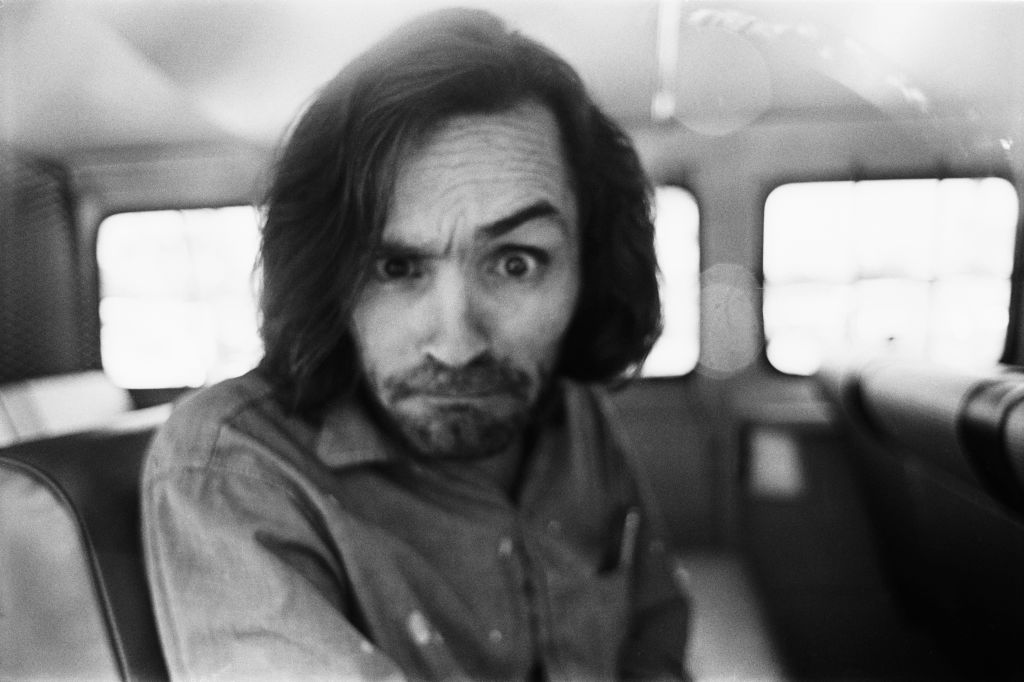
Charles Manson was the man behind the 1969 Tate-LaBianca murders
Michael Ochs Archives/Getty Images
advertisement
The similarities continued in the places where each boy spent part of his childhood. Manson passed through juvenile correctional facilities and reform institutions, while Arguelles was sent away to a military reformatory school when he was young.
Maddox also saw echoes in their childhood trauma, mental health struggles, and moments of unpredictable anger. At the same time, she describes Arguelles as a loving father, which keeps the film from treating resemblance as proof that the two men followed the same path.
"I'm doing some research now, and the similarities between my dad and Charles, are kind of eerie from birth," Maddox says. Her concern is not limited to facial features or family dates; she is trying to understand why parts of their early lives appear to line up despite the very different adults they became.
advertisement
What the documentary means by generational trauma
As filming continued, Maddox said the project became less about trying to explain her grandfather and more about identifying the pain that had passed through her father. Her focus shifted away from the idea of inherited evil and toward the family patterns created by secrecy, neglect, fear, and unresolved childhood experiences.
The American Psychological Association describes intergenerational trauma as the effects of trauma reaching later generations. In Maddox's case, the film looks at how Arguelles' childhood shaped what he carried into parenthood and how his daughter came to understand her own reactions.
The documentary does not argue that sharing Manson's blood made either Arguelles or Maddox destined to repeat his crimes. Instead, it separates ancestry from behavior while asking which emotional wounds were left untreated and which healthier qualities survived beside them.
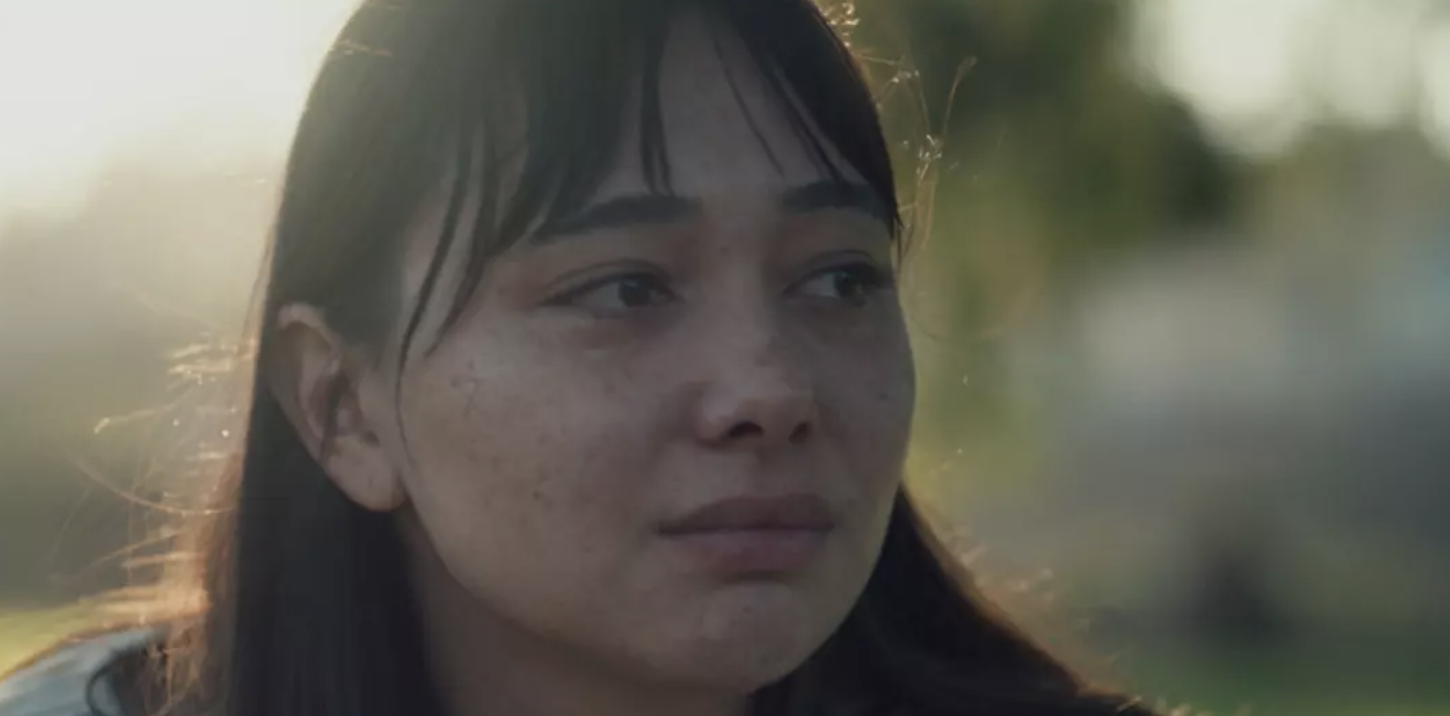
Sophia Maddox opened up about the discovery
Hulu
advertisement
Why the film avoids making Manson larger than life
Maddox approaches the subject through family recordings, personal conversations, therapy sessions, and interviews connected to Manson's past. That choice makes the documentary less like a standard retelling of the murders and more like a record of what happened inside one family after an unwanted truth surfaced.
The film also has to hold two facts at once. Maddox is trying to understand the grandfather she never knew, but that effort cannot erase the people killed under his direction or the harm suffered by survivors. Her questions are about her own family history, not an excuse for Manson's actions.
The story keeps returning to consequences: the people Manson harmed, the childhood Arguelles endured, and the strain placed on Maddox as she continued searching. Manson's notoriety starts the journey, but the emotional damage around his name becomes the real subject.
advertisement
Orton said the filmmakers wanted to avoid presenting Manson as a 'superhuman' villain. In her view, understanding how atrocities happen requires accepting that human beings carry them out, rather than placing offenders in a separate category that feels impossible to study or recognize.
The most personal cost appears in a tense confrontation between Maddox and her father. The exchange does not reach a clean resolution, and the two have not spoken since it was filmed, leaving their relationship as one of the documentary's unfinished parts.
Arguelles is a filmmaker himself and supported his daughter's decision to examine their background on camera. Even so, he reportedly worried about whether going so deeply into Manson's history would be healthy for her, especially as the project became more emotional and public.
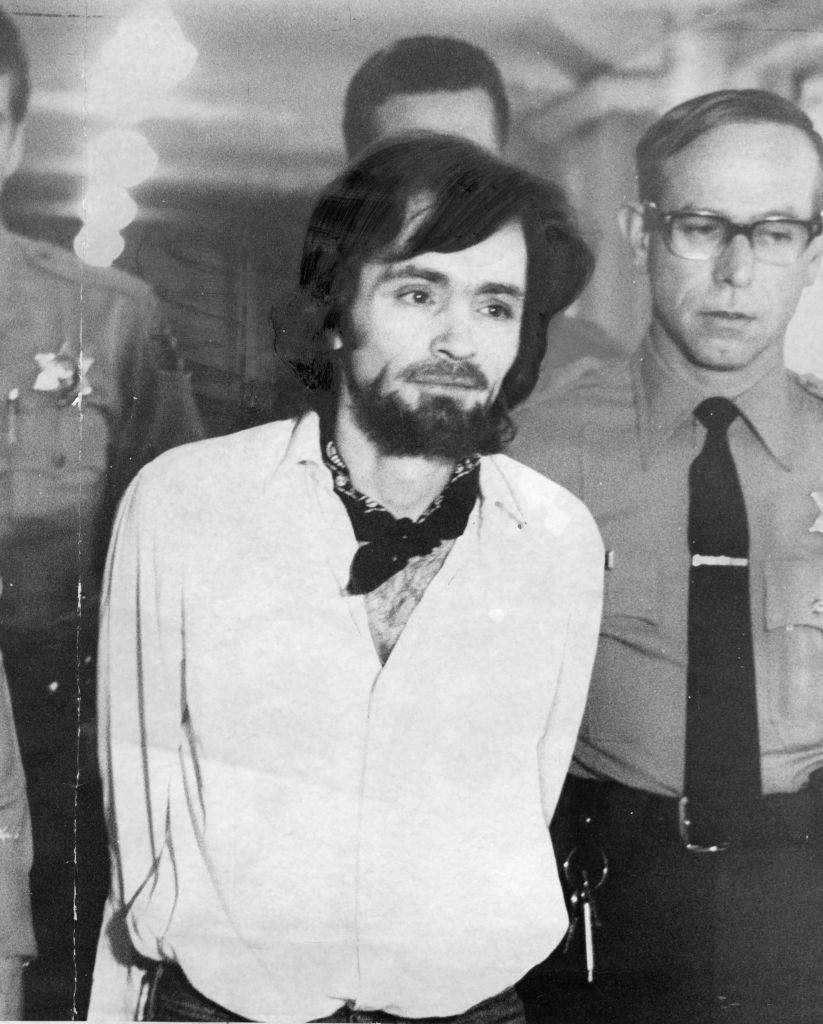
Sophia’s dad recalls seeing Manson ‘everywhere’ when he was younger
Bruce Cox / Los Angeles Times via Getty Images
advertisement
Manson led the cult responsible for the murders of Sharon Tate and several other people in Los Angeles in August 1969. He remained in prison for the rest of his life and died of natural causes on November 19, 2017, at age 83, according to the California Department of Corrections and Rehabilitation.
Maddox still hopes she and her father can repair their relationship. She wants him to watch the documentary and understand that, along with the trauma he carried, he gave her openness, resilience, and the ability to face a painful family history instead of hiding it again.
"I hope he feels seen," she said. For Maddox, being seen means recognizing the hurt Arguelles lived through without reducing him to the identity of the father he never knew.
advertisement
My Grandfather Charles Manson began streaming on July 22, 2026, through Hulu and Hulu on Disney+ in the United States, as confirmed by the official Hulu press listing.