

The 1952 Clipper Endeavor disaster changed what passengers are told before takeoff, and a seven-year search has now brought its story back into focus
advertisement
The familiar preflight safety briefing heard before modern flights was not always required. One disaster that helped change those rules happened off Puerto Rico on Good Friday, April 11, 1952.
Pan American World Airways Flight 526A left San Juan's Isla Grande Airport for New York's Idlewild Airport, now known as John F. Kennedy International Airport. The Douglas DC-4, named Clipper Endeavor, carried 64 passengers and five crew members when engine trouble developed soon after takeoff.
About nine minutes into the flight, the crew was forced to ditch the aircraft in the Atlantic Ocean. Everyone aboard survived the first impact, and the main cabin remained mostly intact, but confusion spread as the plane filled with water and sank in less than three minutes. By the end of the rescue, 52 passengers had drowned.
US Coast Guard and Air Force crews saved all five crew members and 12 of the passengers, leaving 17 survivors from the 69 people aboard. The aircraft settled almost 2,000 feet below the surface, where it remained out of reach for the next 74 years.
That changed on June 2, 2026, after a seven-year investigation led by the Air/Sea Heritage Foundation. The nonprofit worked with Deep Sea Vision, an Eco Minerals company, and the team behind Discovery Channel's Expedition Unknown to search the ocean floor north of Puerto Rico.
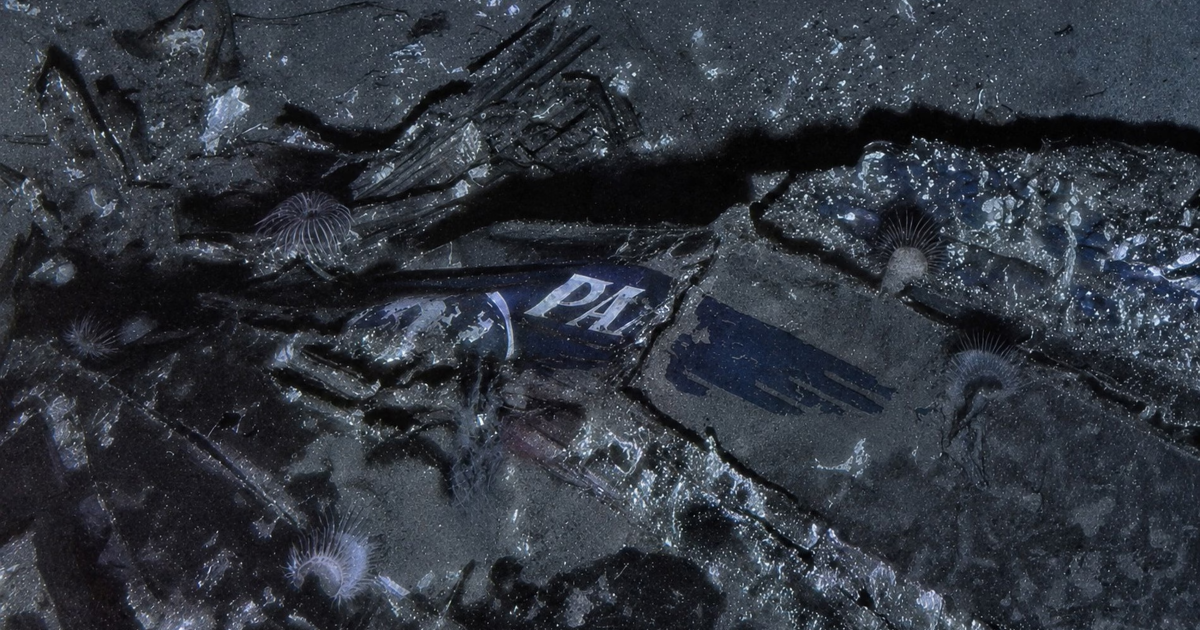
The Air/Sea Heritage Foundation's discovery report says sonar located the DC-4 at 7:14 p.m. Atlantic Standard Time. It was found in two major sections, and a later photographic survey showed the Pan American logo and the Clipper Endeavor name still visible on the fuselage.
advertisement
What forced Clipper Endeavor into the ocean
The discovery answers where the aircraft came to rest, but the reason it went down was established soon after the disaster. The official investigation found that the No. 3 engine failed shortly after takeoff, followed by a major loss of power from the No. 4 engine on the same side of the aircraft.
The Civil Aeronautics Board accident report found that mechanics had discovered metal particles connected to the No. 3 engine before the flight. Investigators said the engine should have been replaced and concluded that the aircraft was not airworthy when it left San Juan.
The Board also criticized the captain's handling of the emergency. Its findings said he continued trying to climb without using all available power, causing the DC-4 to lose speed and settle toward the ocean from an altitude too low for the crew to recover.
Seeing the aircraft after decades of research left the expedition team struggling to contain their emotions. Expedition Unknown host Josh Gates said in a Warner Bros. Discovery release: "Seeing the bright aluminium fuselage shining back at us from the ocean floor was a hugely emotional moment,"
Although the crash caused a devastating loss of life, the failures exposed during the evacuation helped reshape aviation safety. Regulators later required clearer passenger briefings and demonstrations covering emergency exits, life jackets, and other survival equipment on overwater flights.
Gates said the effects can still be felt whenever people board a commercial flight today, adding: "Every time you step onboard an airplane today, you are safer because of what happened to her and her passengers three quarters of a century ago."
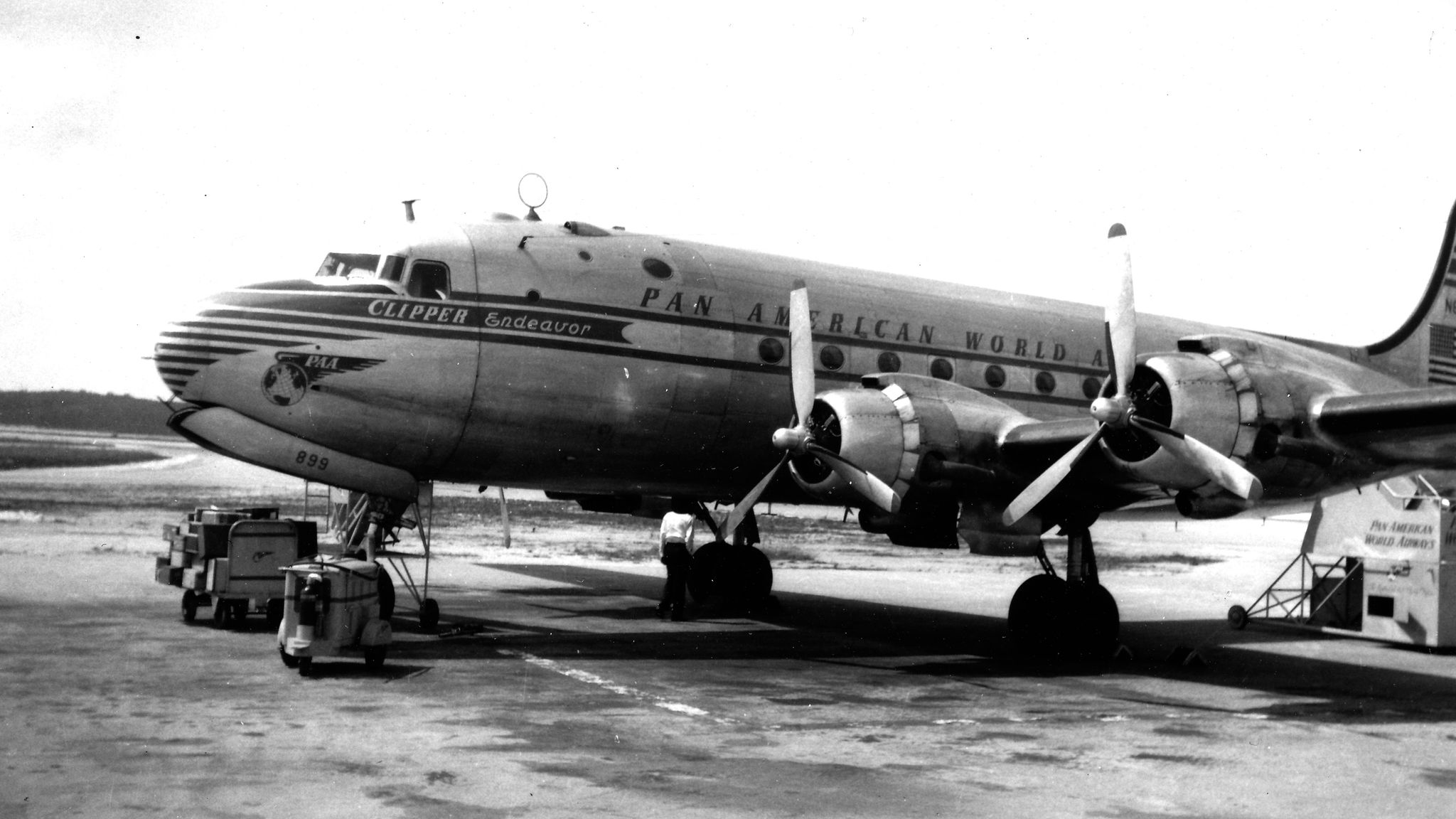
The plane crashed after losing its right-wing engines shortly after take off
Pan Am Historical Foundation
advertisement
Why so many people died after surviving the impact
The water landing itself did not kill those aboard. Investigators found that the flight attendants did not receive enough warning to prepare the passengers, and the travelers had not been shown where to find their life jackets or how to put them on.
A language barrier added to the confusion inside the cabin. The aircraft's life rafts were also stored in a compartment near the cockpit that passengers could not reach, and the tight space made them difficult for crew members to launch. Only one raft was released before the plane disappeared beneath the water.
After this and other overwater accidents, the Civil Aeronautics Board proposed rules requiring life jackets and rafts to be easy to reach. Airlines also had to brief passengers on emergency exits, flotation equipment, and how to put on a life jacket before extended flights over water.
advertisement
Gates said the discovery should be about more than finding a missing aircraft. He added: "I hope this historic discovery brings some peace to the families of those aboard and serves to remind the flying public today of the debt of remembrance we owe to this fateful flight."
Air/Sea Heritage Foundation president and co-founder Russ Matthews became interested in Clipper Endeavor in 2019. He had seen a brief report about a luggage tag from the flight washing ashore in Florida and began studying old Pan Am records, Coast Guard archives, and accident reports.
A major breakthrough came after Matthews joined forces with Gates in 2024. Their research at the General Archives of Puerto Rico uncovered survivor accounts, communications records, expert evidence, and a chart created by US Air Force pilots who had witnessed the crash and helped guide rescuers toward the scene.
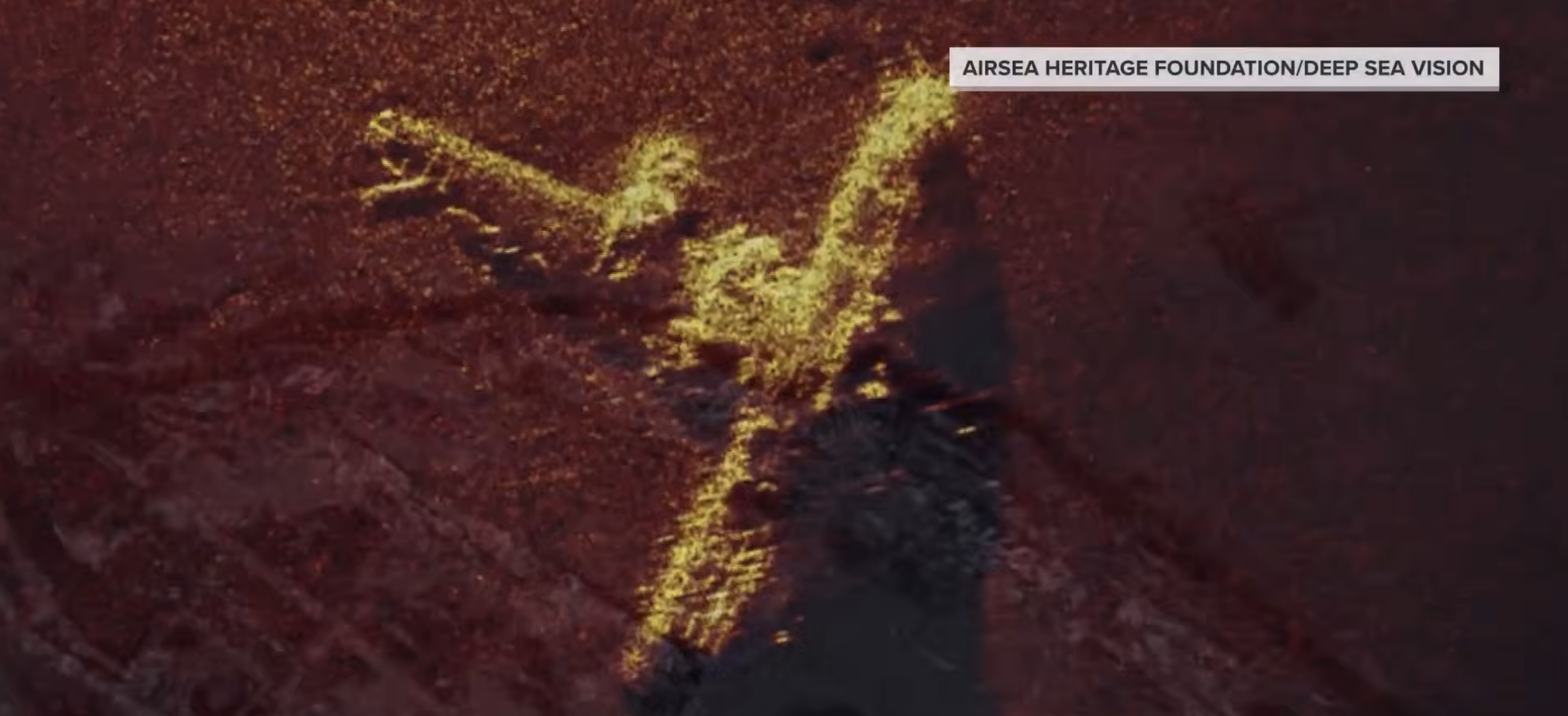
It took seven years for the team to find the wreckage
Airsea heritage foundation/deep sea vision
advertisement
The pilots' chart allowed researchers to reduce the search area to about 10 square nautical miles. An earlier attempt in 2024 had been disrupted by poor weather, but another opportunity arrived when the research vessel Fugro Brasilis passed Puerto Rico while traveling from Trinidad toward the Gulf of Mexico.
The vessel carried one of Deep Sea Vision's HUGIN autonomous underwater vehicles. The free-swimming drone used high-resolution sonar to scan the seabed and detected the aircraft during its first pass across the search zone, though the crew did not see the result until it returned to the surface and its data was downloaded.
The first sonar image showed the outline of an aircraft split into two sections. Later images revealed the markings needed to confirm its identity, prompting Gates to recall: "When the images came back from the AUV, we all gasped."
advertisement
The Air/Sea Heritage Foundation is now working with the government of Puerto Rico to secure stronger protection for the wreck site and support the creation of a lasting memorial for the 52 people who died.
The foundation has contacted families affected by the crash, including the only two known survivors who are still alive. For them, the discovery provides a confirmed location after more than seven decades of uncertainty.
The years of research, the underwater search, and the moment the aircraft appeared in the sonar data are due to feature in an upcoming episode of Expedition Unknown. The program will also revisit how a disaster off Puerto Rico became one of the events that changed passenger safety across commercial aviation.