Here Are The Jaw-Dropping Chemical Reactions Your Science Teacher Never Showed You In School
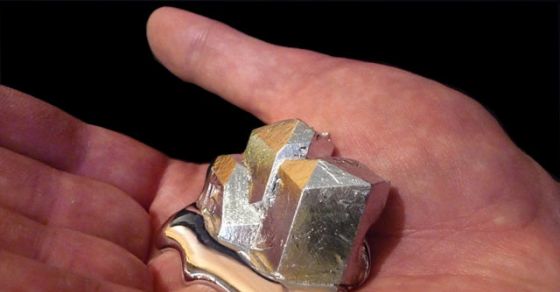
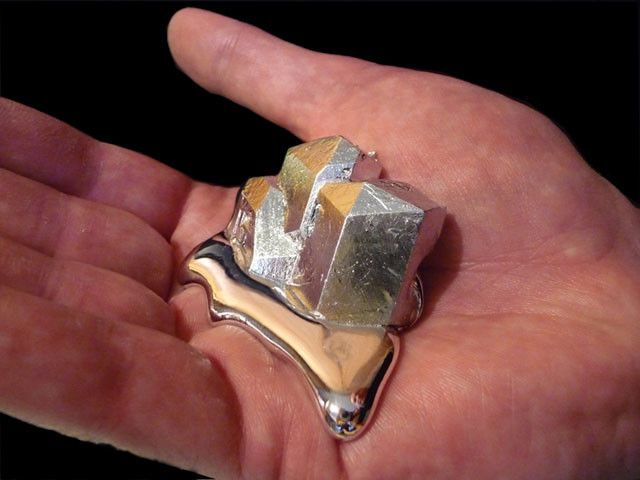
#1 Gallium melts at room temperature.
This silvery metal has a melting point of around 85 degrees Fahrenheit. It is used to make alloys with low melting points, as well as in electronics.
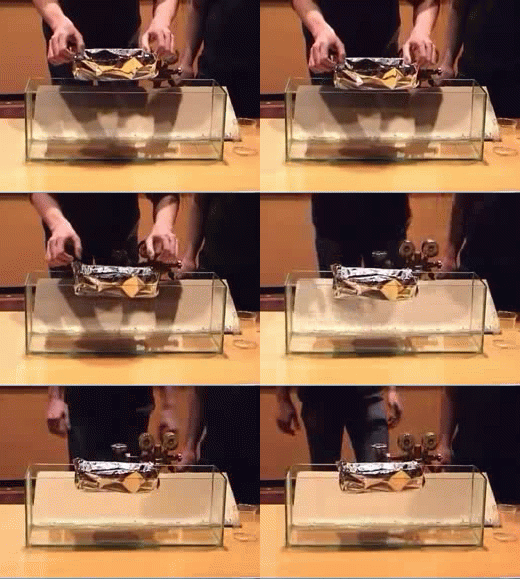
#2 Sulfur hexafluoride is a gas so dense it can make solid objects float.
Due to its density, it's often used in electrical insulation.
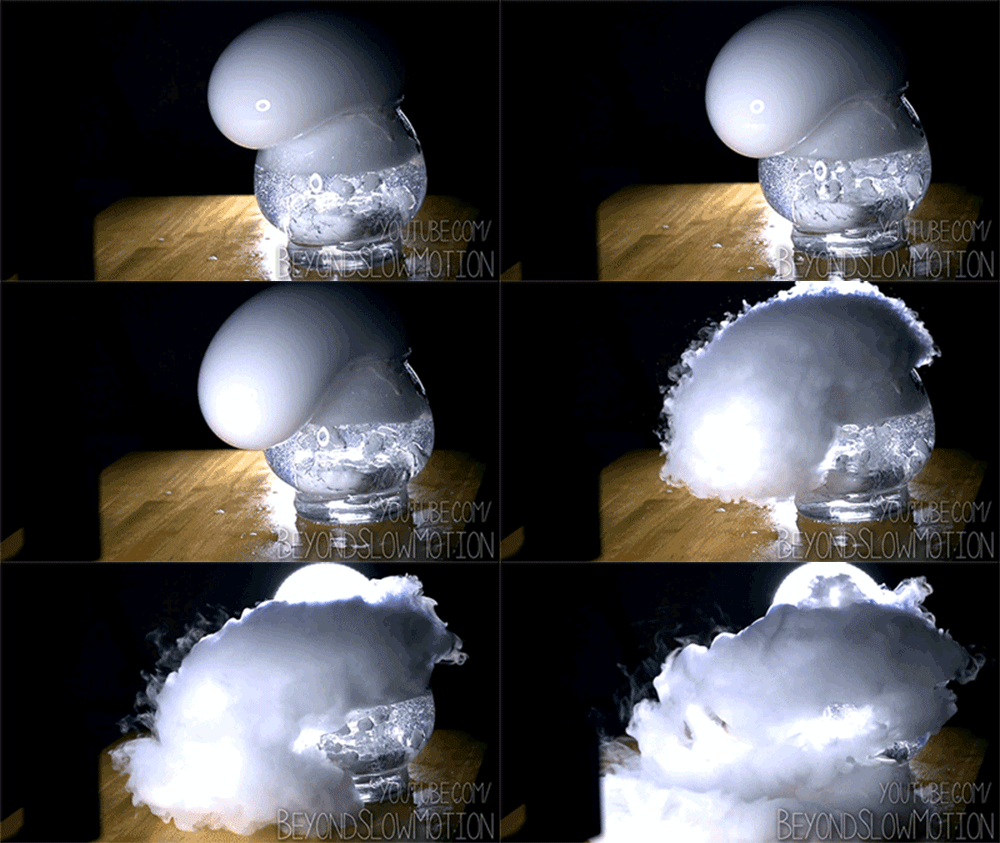
#3 Dry ice and water make a giant bubble.
Dry ice sublimes, meaning it goes directly from a solid to gas. This results in the vapor you see here. It also creates a ton of cold, cloudy fog, and is used in special effects.
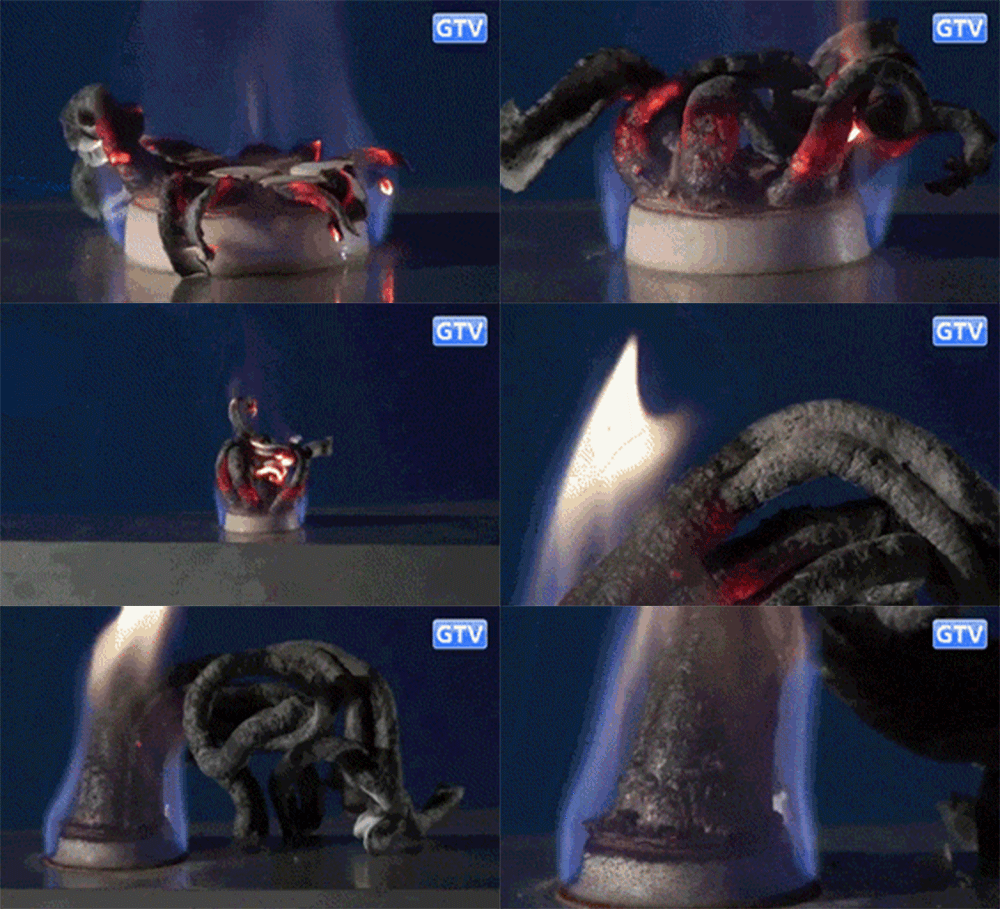
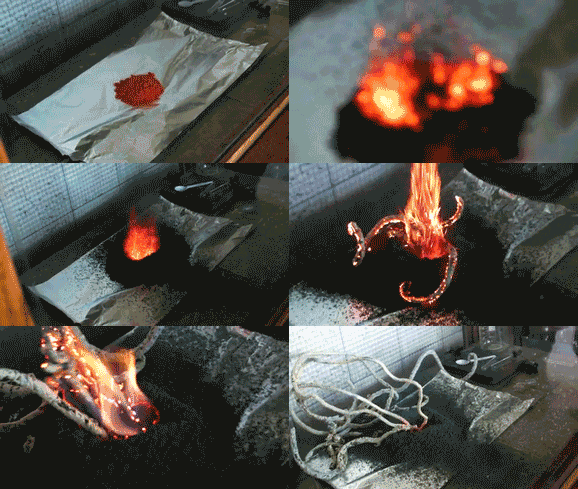
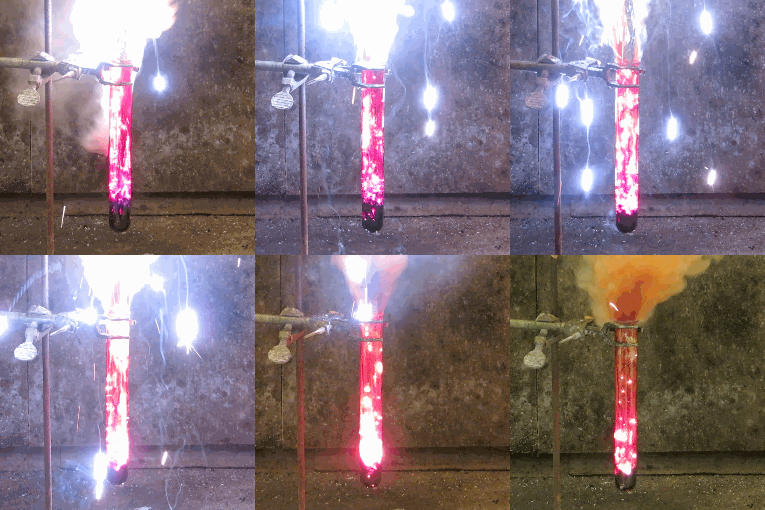
#4 Burning ammonium dichromate summons the Kraken.
Okay, not literally, but these freaky tentacles really do form in this heat-triggered reaction.
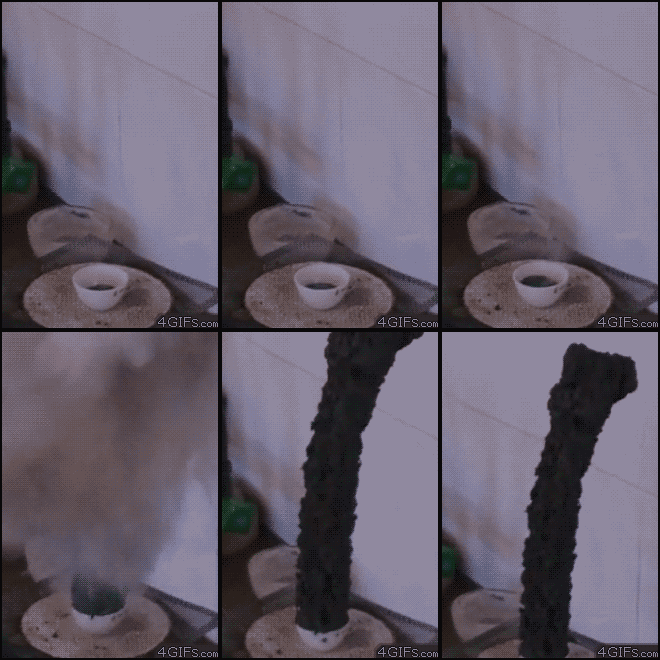
#5 Sulfuric acid turns sugar into this.
This is sped up, but the sulfuric acid dehydrates the sugar, leaving water and carbon behind in this column shape.
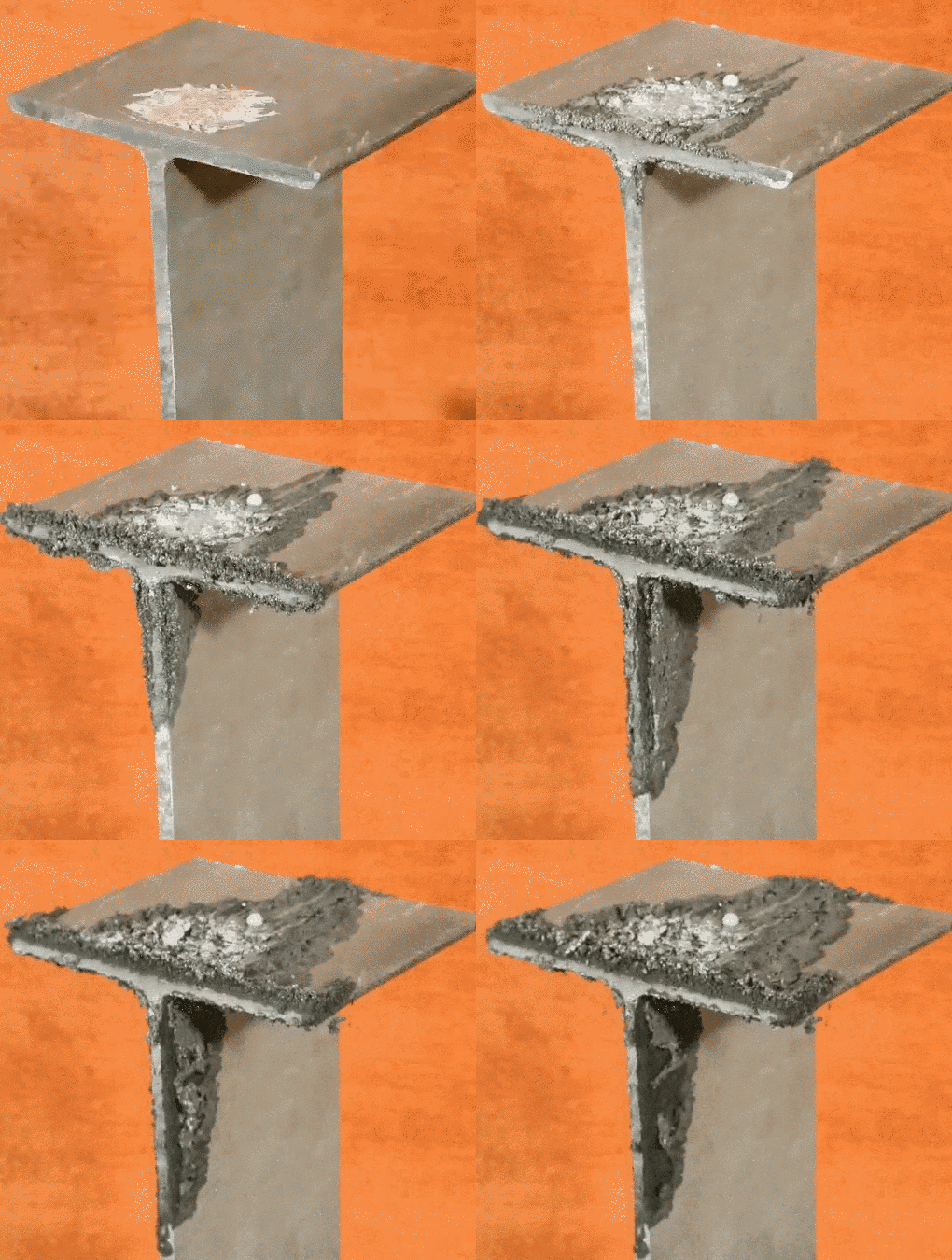
#6 This is what happens when mercury and aluminum come in contact.
This happens when mercury is able to penetrate aluminum's oxide layer.
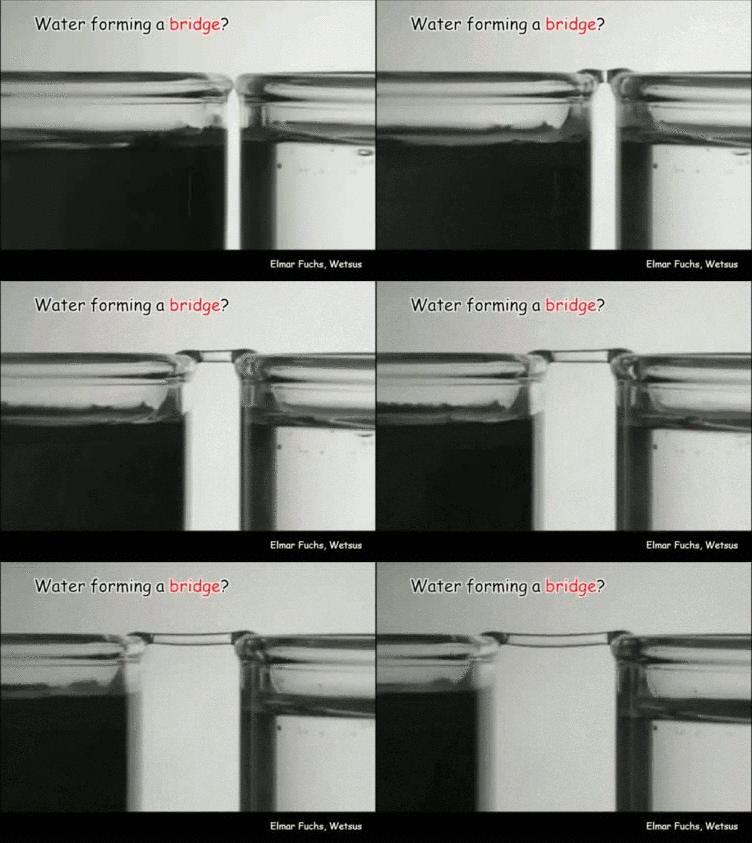
#7 Water forms a bridge.
By introducing a current, water molecules become more strongly bonded, forming this "bridge" between two containers.
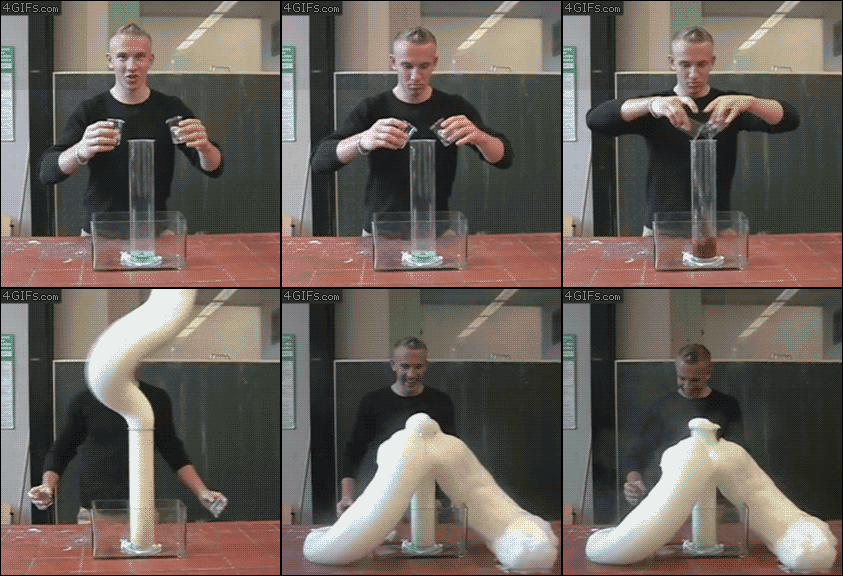
#8 This is what happens when you mix hydrogen peroxide with potassium iodide.
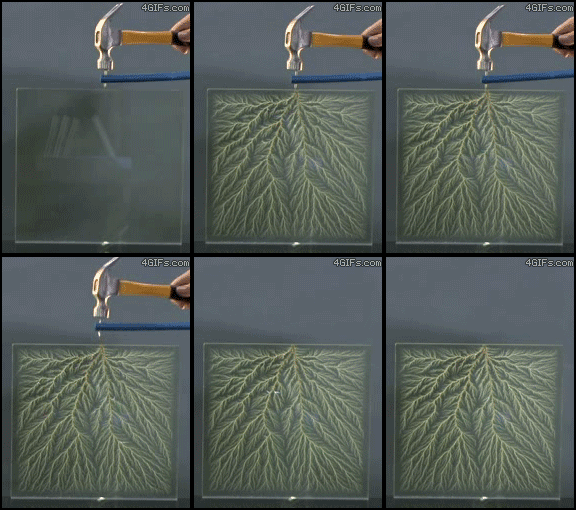
#9 Electrical treeing.
This happens when a surge of electricity goes through a solid insulation material. The electricity fans out like lightning, creating these tree-like patterns throughout the material.
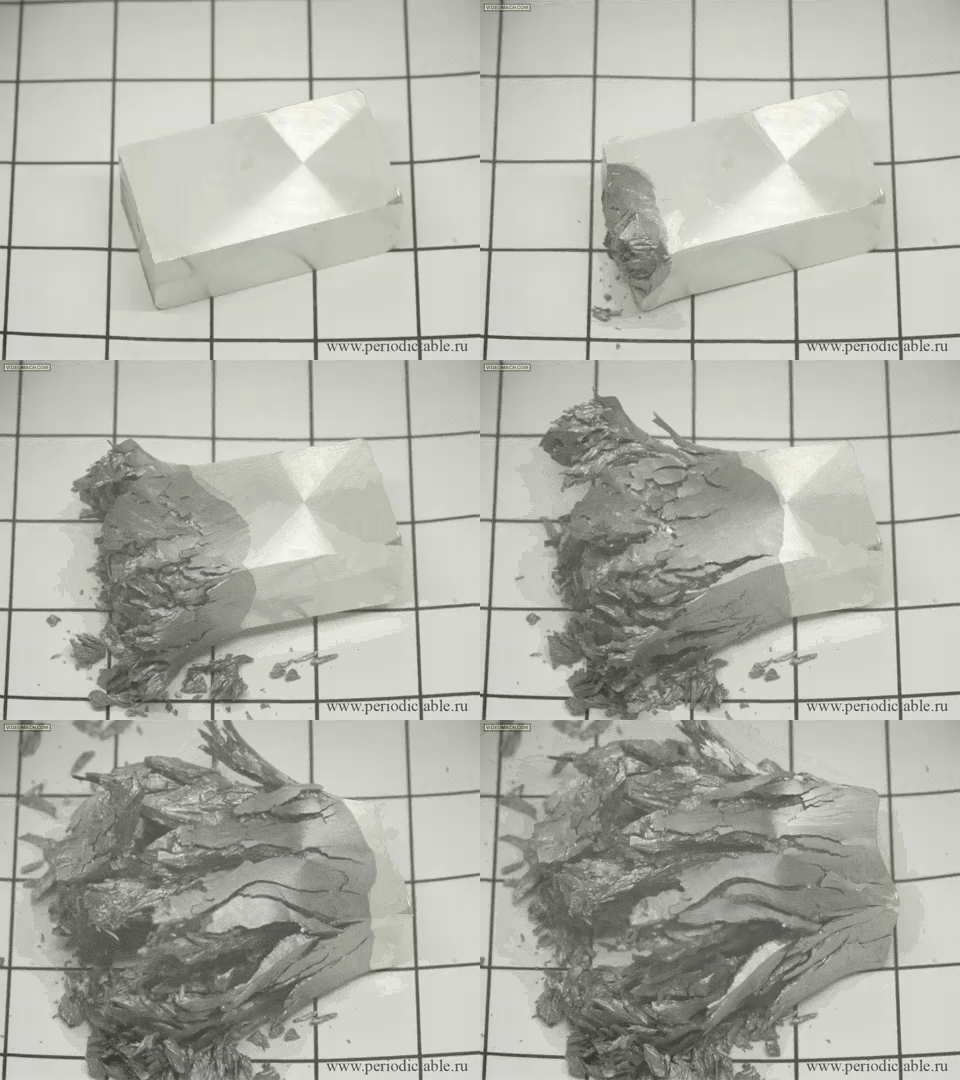
#10 White tin turns to gray tin.
When the temperature drops below 13 Celsius, white tin (known as beta tin) becomes a more brittle gray version of itself (called gray or alpha tin). Tin decomposes at cool temperatures in a reaction known as "tin pest."
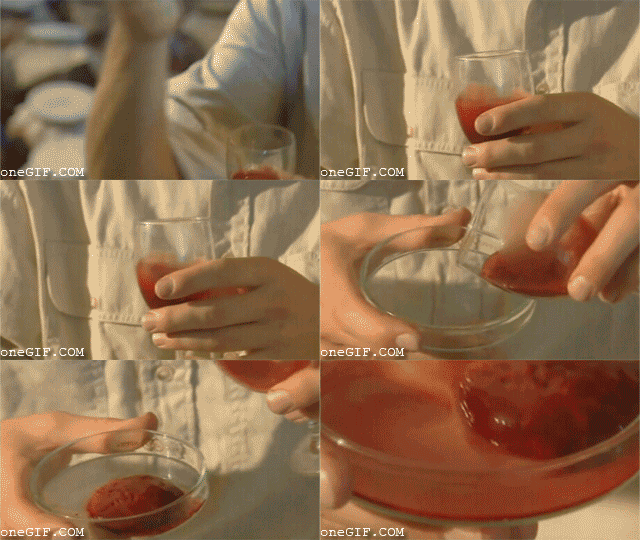
#11 This is why snake venom kills you.
When snake venom is mixed with blood, the result is this congealed mass. Gross.
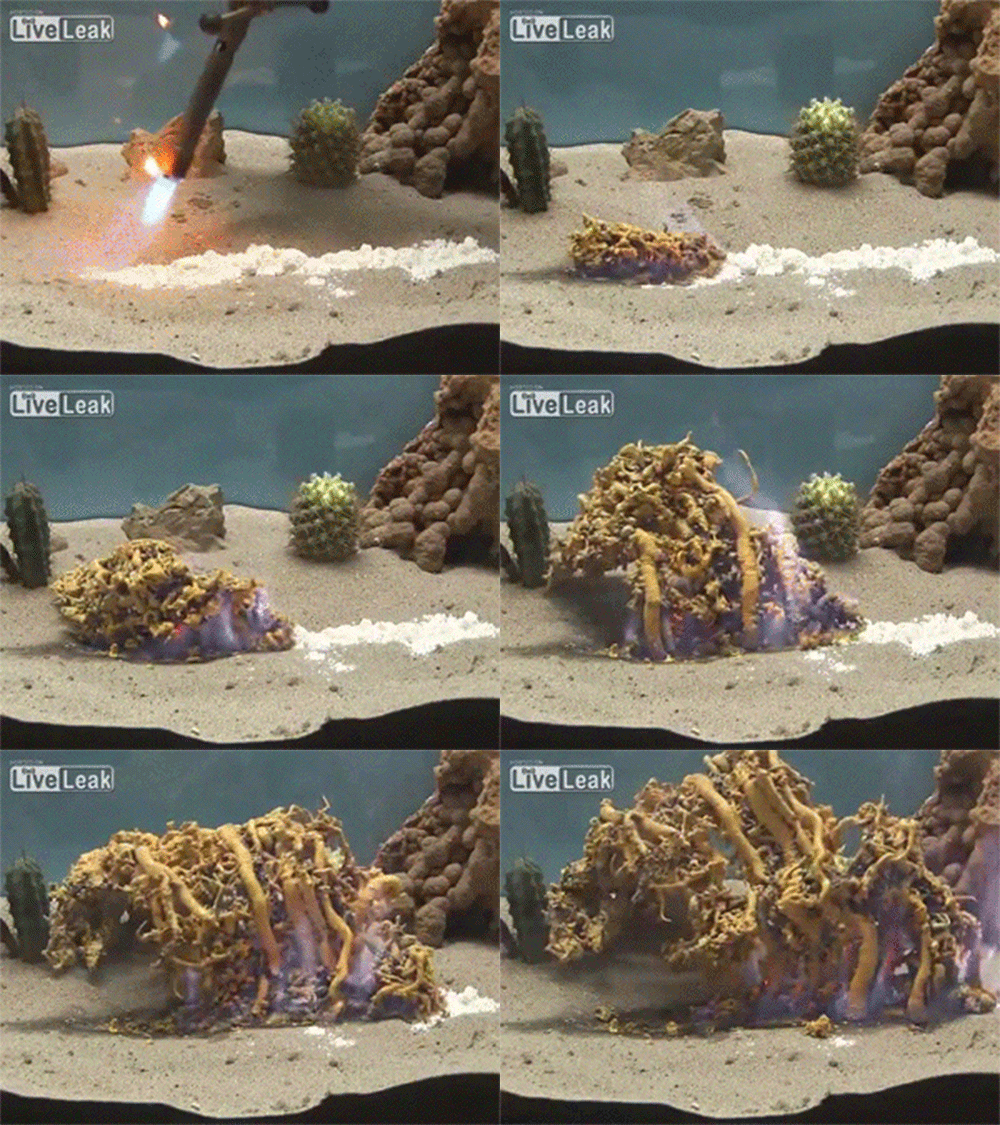
#12 Burning mercury thyocyante also summons demons.
This reaction is called the "Pharaoh's serpent," and the resulting snake-like solid was once sold as a toy. Unfortunately, it's incredibly toxic and resulted in the deaths of several children.
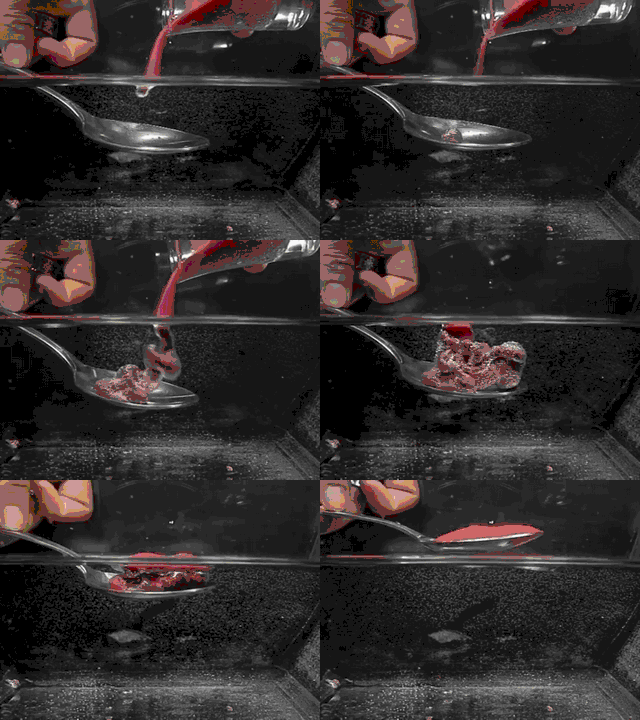
#13 Hydrophobic substances repel water to the extreme.
This is hydrophobic sand, which reverts to its dry form when taken out of the water.
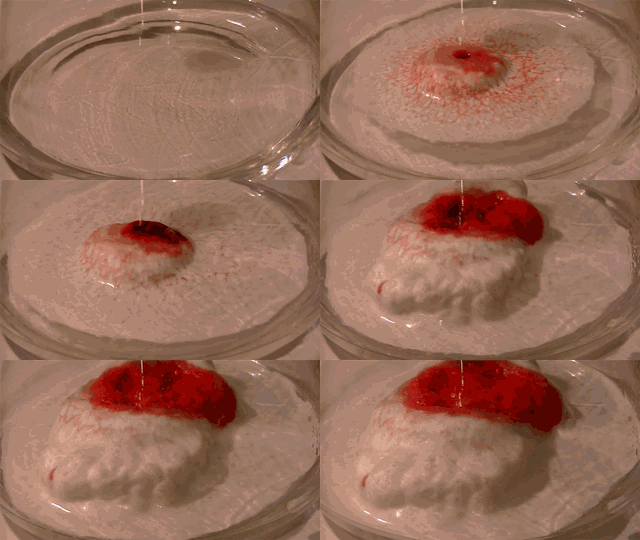
#14 Blood foams when in it comes into contact with hydrogen peroxide.
Contact with organic materials causes the formation of gas bubbles and tissue destruction. Contrary to popular belief, it's actually not a good idea to put this on a wound.
#15 This is the reaction that takes place when you mix aluminum and iodine.
This produces a beautiful, but irritating, purple plume of iodine vapor, as well as heat and light.
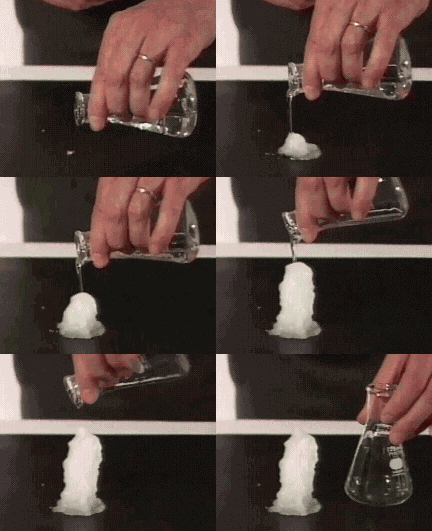
#16 Sodium acetate solidifies at the drop of a hat (sometimes literally).
This liquid forms "hot ice," or salt crystals in reaction to almost anything. This gives it the appearance of rapidly freezing water. The crystallization produces heat, which makes this the active ingredient in heating pads. It's also edible, and is mostly known for its part in "salt and vinegar" chip flavoring. Yum.
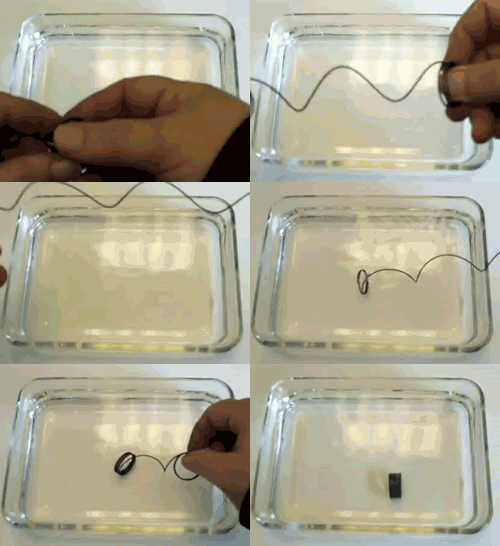
#17 Nitinol remembers.
Nitinol is a titanium and nickel alloy, and is 30 times more elastic than other metals. It is also able to snap back to its original shape with a minor change in temperature.
#18 A lightbulb burning out.
You've probably seen this, but it happens really fast. This is what's actually going on in slow-motion.

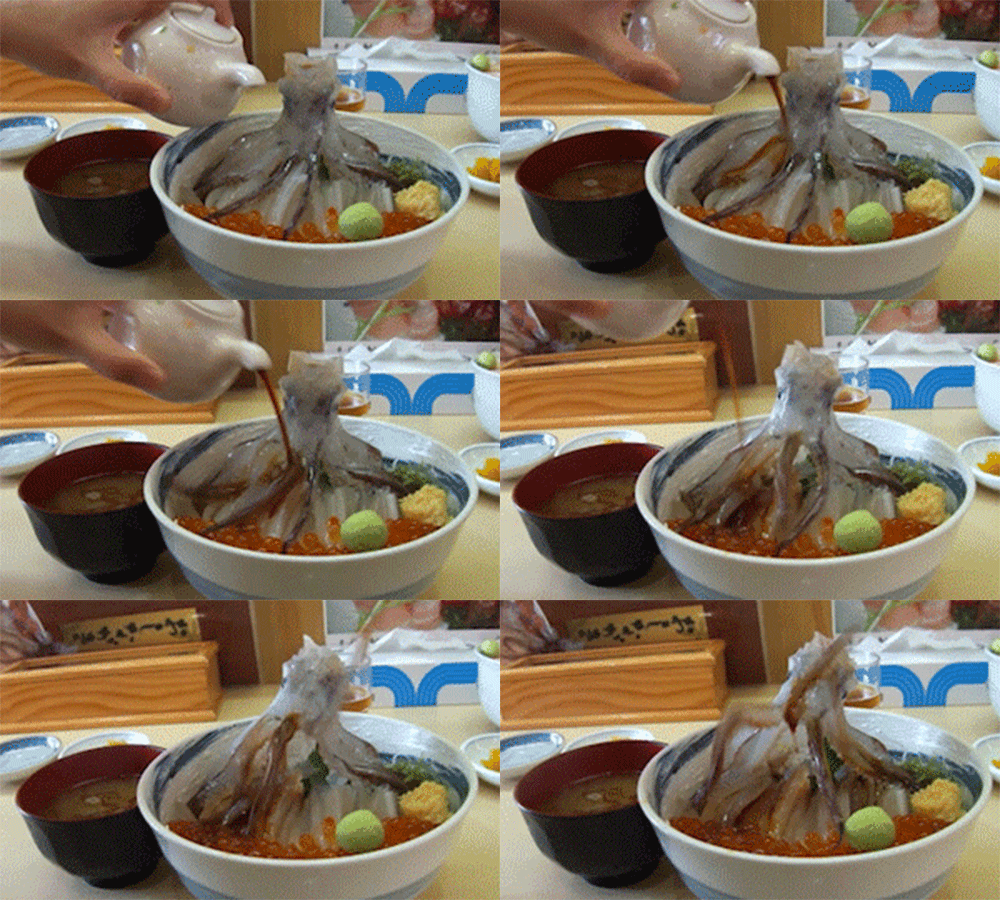
#19 Wake up your food.
Sodium chloride in soy sauce triggers muscular spasms in cuttlefish. Though it's already dead, its tissue can still react to stimulus, hence the dance you see here.
#20 More tentacle fun with calcium.