One of the first things we notice about a person is his/her hairstyle. It's also a barometer of how pop-culture has influenced trends over time. But have you ever wondered where hairstyles got their names from?
Read this and be enlightened.


One of the first things we notice about a person is his/her hairstyle. It's also a barometer of how pop-culture has influenced trends over time. But have you ever wondered where hairstyles got their names from?
Read this and be enlightened.
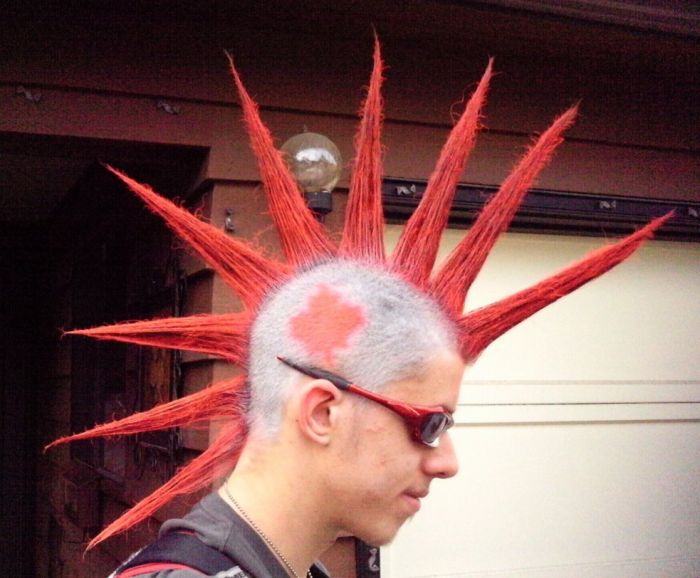
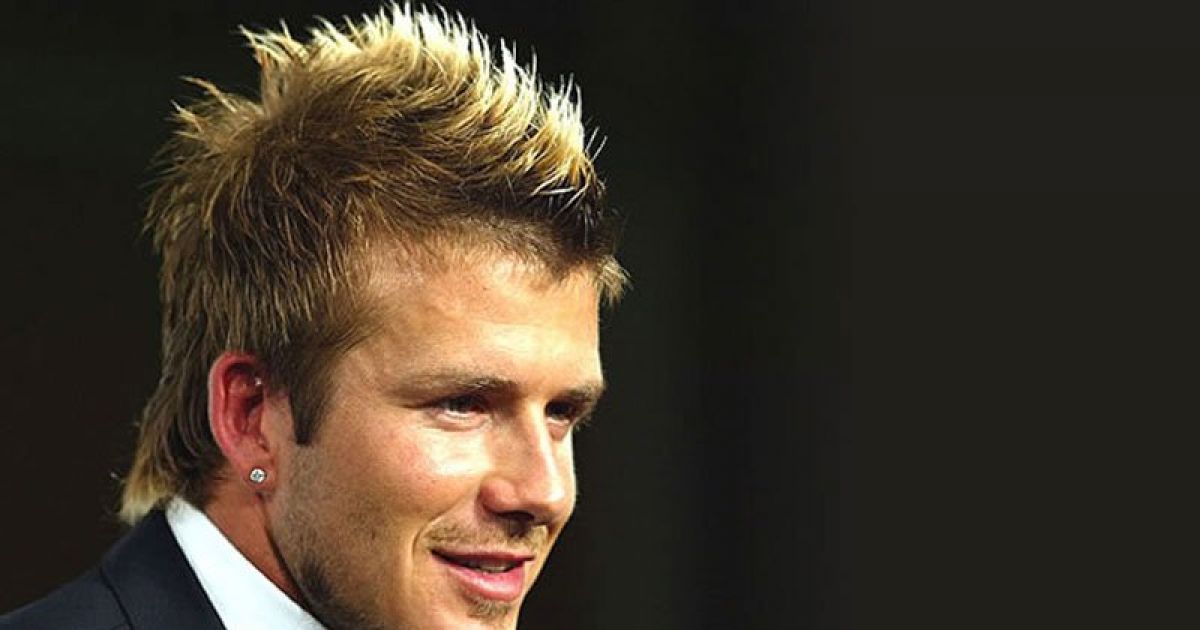
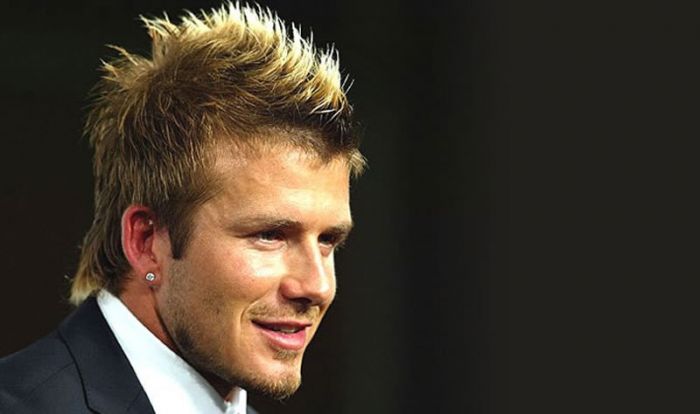
The mohawk hairstyle takes its name from the people of the Mohawk nation, an indigenous tribe of North America that originally inhabited the Mohawk Valley in upstate New York (circa 1624). The people hailing from the tribe didn't shave their heads; instead they pulled hair from their heads, small tufts at a time. A shorter variant of this is the "faux hawk" or the false mohawk, which was made popular by David Beckham.
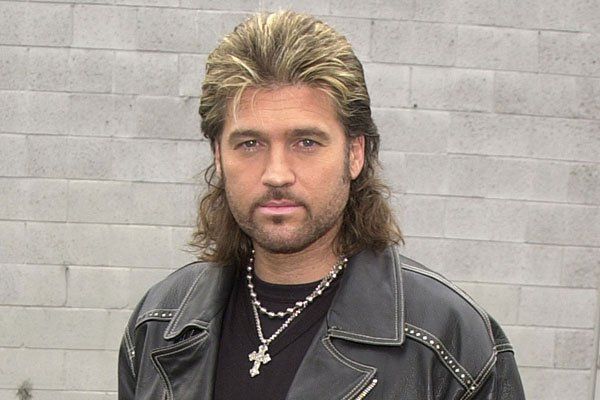
Contrary to what people may think, the first known mulletheads lived in the 6th century, when this hairstyle was called the Hunnic. A mullethead means a "dull/stupid" person. Nevertheless, this didn't discourage celebrities like Paul
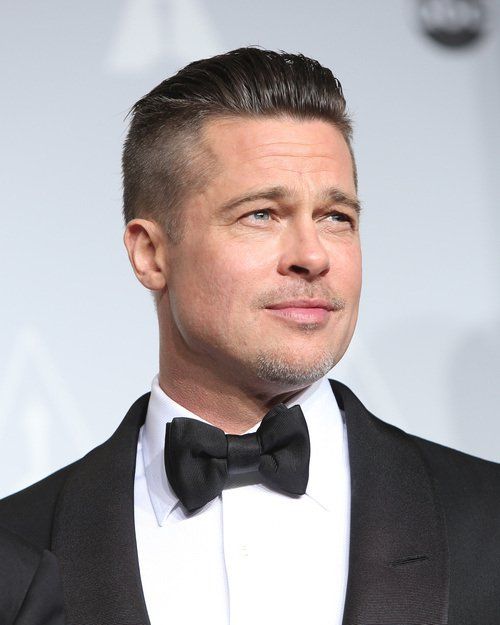
to the dismay of Hollywood A-listers like Brad Pitt, this hairstyle has been associated with poverty and/or the inability to afford a barber who is competent enough to blend in the sides (like a regular haircut). Therefore "under cut".
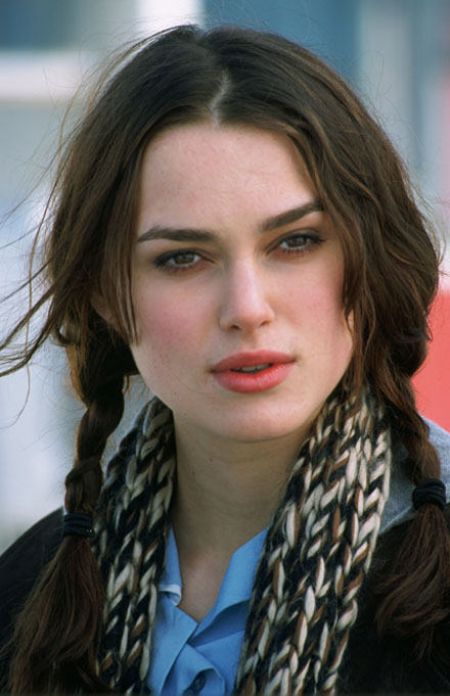
The term pigtail was used back in the 1600s to refer to a twist of chewing tobacco. In order to prepare the tobacco, several leaves were pulled and twisted together into a tight bunch, before being cured. This bunch came to be known as a pigtail because it resembled a pig's curly tail, which later found its way as the hairstyle's name.
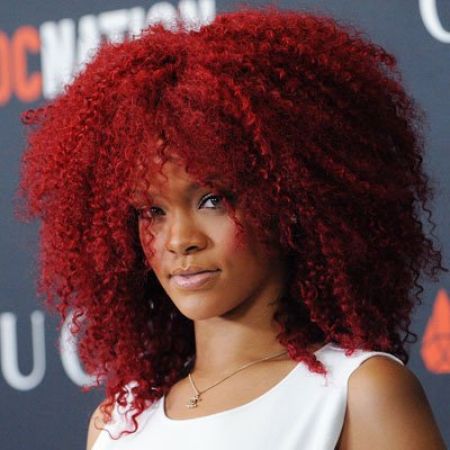
The early versions of this hairstyle were, in fact, worn by sideshow women hailing from the Circassian ancestry. African-American women began sporting this hairstyle in the 1950s because this hairstyle was low on maintenance! The popularity of this hairstyle, anchored by the Afro-American women is the reason why it came to be known as the afro.
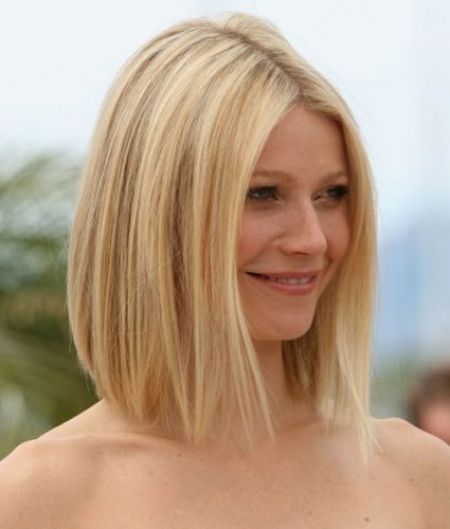
At a time when long hair symbolised femininity, ballroom dancer Irene Castle decided to start a new trend.... the bob hair one! For easy maintenance and convenience during performance, Irene "bobbed" off her hair that later became a trend, sported by the likes of Gwyneth Paltrow and Katie Holmes!
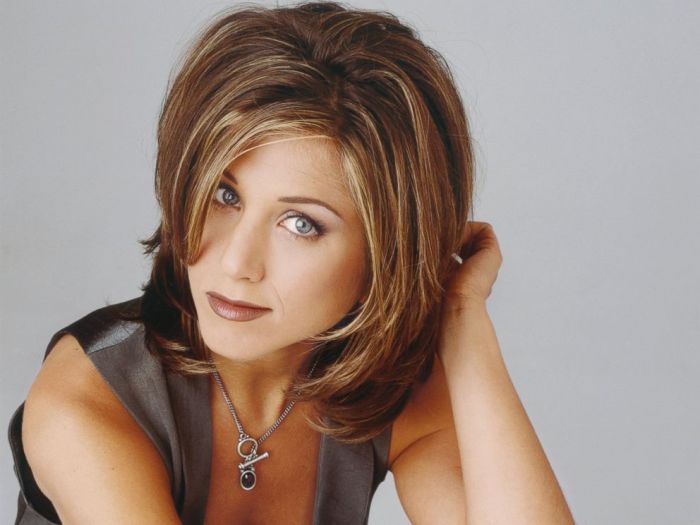
Aniston, thanks to her role of Rachel (F.R.I.E.N.D.S), became the poster girl for this layered haircut. Soon after, the whole of America was sporting a hairstyle, similar to hers!
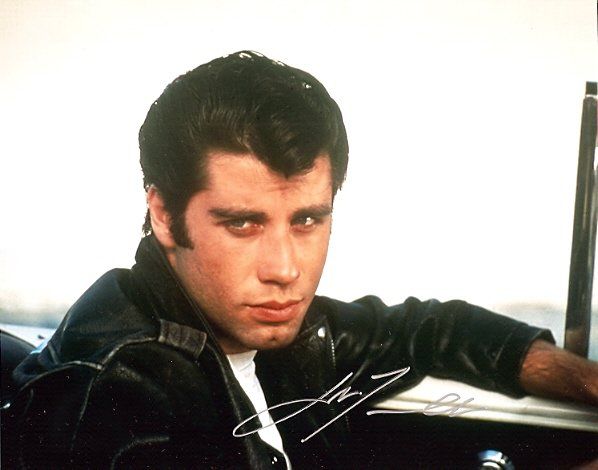
Popular throughout the 1950s, later sported by John Travolta in the cult film, Grease, this hairstyle required slick hair piled high on top and swept back at the sides to make a ridge at the back. It's called the Ducktail because it gives the appearance of a duck's back when viewed from the back.
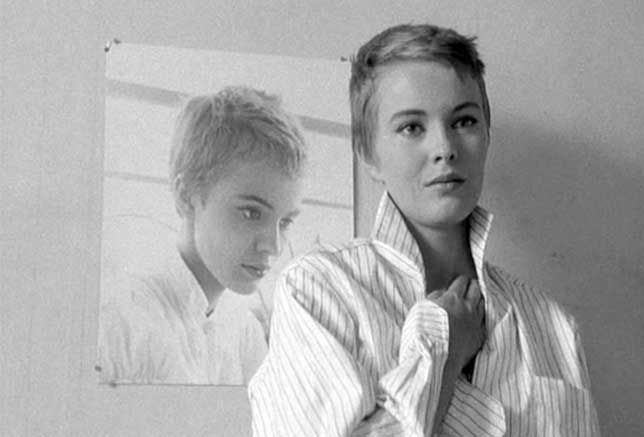
The name Pixie came to be taken from the fairies, commonly portrayed with a similar haircut. Actress Jean Seberg is often credited for popularising this boyish hairstyle in Joan Of Arc in 1957.
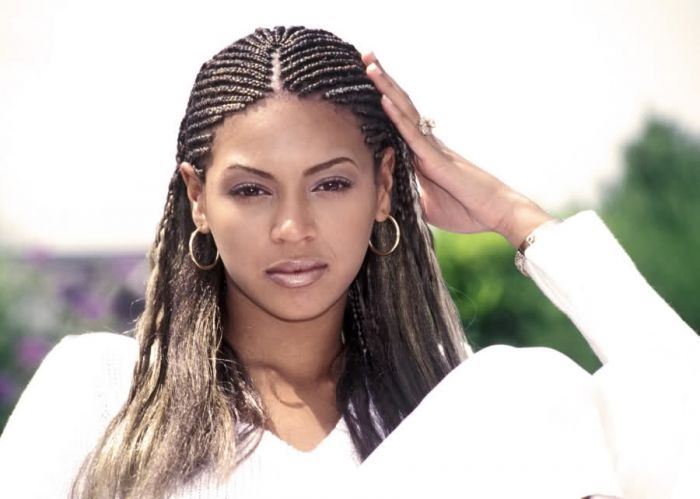
This originated in Africa and the Caribbean in the early nineteenth century - the very name being indicative of agriculture, planting and toil. Cornrows as intrinsically intertwined with the Black tradition and form a significant part of their cultural leanings.
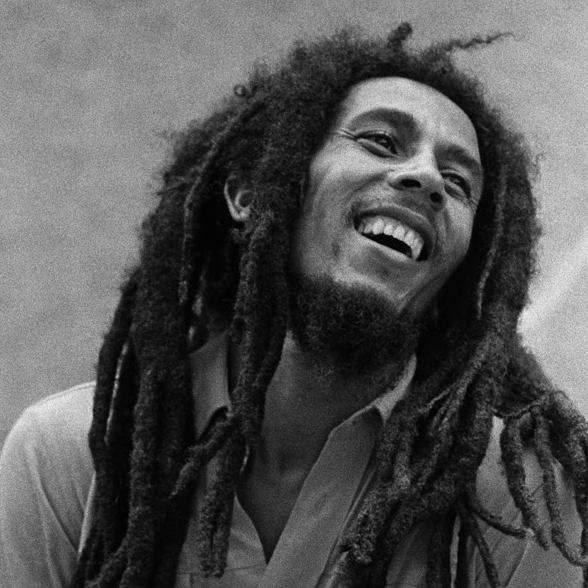
The dreadlock hairstyle traces its roots to the Indian sages, who eschewed personal grooming. The name dreadlocks could however be attributed to the Jamaican tradition in which those with "natty" locks were to be dreaded or feared! Famous personalities like Bob Marley sported dreads!
An integral part of the "punk subculture" of the '70s, this hairstyle is known so because the spikes resemble those of The Statue Of Liberty.