How To Tell If Your Cat Is Sick — Symptoms To Watch Out For
Cats tend to hide their illnesses, and they even hide themselves when they're ill.
But many problems are best treated when they're caught early, which means you are your cat's most important health care provider.
You're the one who sees him every day and decides when he needs to see the veterinarian.
Don't ignore what he's trying to tell you or trying not to tell you. Here are just a few of the clues you should look for.
Is he acting differently?
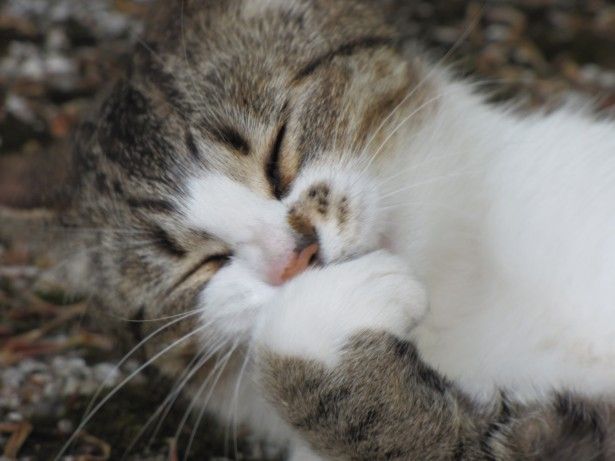
The most common sign of illness in some cats is hiding in a quiet, out-of-the-way place. Sick cats often lie quietly in a hunched position. They might neglect grooming. They may be purring, which cats do not only when they're happy, but also when they're sick or in pain. A cat with breathing difficulties may refuse to lie on his side and may keep his head raised. Cats with neurological problems may be confused, have seizures or press their heads into furniture or walls. This is not the head butting that cats do on your leg affectionately but rather prolonged pressing on a surface.
Does he have bad breath?
Stinky breath can indicate kidney problems and serious dental disease in your cat and sweet or fruity-smelling breath can be a sign of diabetes. Consult your vet if you notice any bad or unusual odors when your cat opens his mouth.
Is he eating, drinking, urinating or defecating more or less than normal?
Cats who don't feel well usually don't want to eat. Some illnesses, however, can cause increased appetite, so don't ignore your suddenly ravenous cat. Increased thirst and urination may indicate kidney disease, diabetes or other illness. Frequent, sudden attempts to urinate, especially if only small amounts are produced or if accompanied by signs of pain (including meowing or straining in the litterbox), may indicate a urinary tract infection or blockage. Inability to urinate is a life-threatening emergency that is all too common in cats, especially males.
Becoming more or less affectionate?
A previously clingy cat acting uncharacteristically aloof, or a more independent cat that suddenly transforms into ‘Velcro kitty' are examples" of subtle signs of illness
Is he regurgitating or vomiting?
If your cat regurgitates food soon after eating, he may have a problem. Vomiting food after it's been in the stomach can indicate poisoning, blockage or a host of other problems. If your cat vomits for more than a few hours or vomits repeatedly for more than a day, she probably needs to see a vet. And if any vomiting episode is accompanied by lethargy, diarrhea or reluctance to move, you should seek medical attention. When in doubt, it is always better to call the vet instead of waiting to see what will happen.
Change in appearance?
An unkempt appearance and increased shedding can be symptoms of hyperthyroidism, a glandular disorder common in cats, or allergies.
Does he have diarrhea or constipation?
Diarrhea can result from nervousness, a change in diet or water, food sensitivities, intestinal parasites, infections, poisoning or many illnesses. Watery diarrhea, diarrhea with blood, or diarrhea accompanied by vomiting or other signs of illness warrants a call to the veterinarian. Cats commonly become constipated. They may strain to defecate; cry or meow in the litterbox; pass only small, hard feces; or pass small amounts of watery feces. Examine your cat's litterbox to make sure he's defecating as he should be.
Is he coughing?
Coughing can be caused by a variety of conditions, including foreign bodies, hairballs, allergies, asthma, tumors, heart disease, lung disease or several contagious illnesses. If coughing persists for more than a day, don't wait contact your veterinarian. If your cat is coughing over and over, has difficulty breathing or has bluish gums, he needs to see his veterinarian immediately.
A drop in eating or drinking?
A sudden decrease in food or water intake can be a sign of several health problems, from dental issues to kidney disease to cancer. Not only that, the cessation of eating or drinking can itself lead to serious complications: I learned this lesson when a roommate's cat became ill after not eating for a few days. If your cat stops eating or drinking for 24 hours, head to the vet.
An increase in eating or drinking?
Increases in eating and drinking can be just as significant as decreases, and are common early indicators of conditions such as diabetes and hyperthyroidism." Inflammatory bowel disease, another common issue for cats, can also cause a voracious appetite.
Is his gum color off?
If you suspect a problem, check the gums. They should be a deep pink, and if you press with your thumb, they should return to pink within two seconds after you lift your thumb. Very pale gums or slow repinking may indicate anemia, shock or poor circulation. Bluish gums or tongue can mean a life-threatening lack of oxygen. Bright red gums may indicate overheating or carbon monoxide poisoning, and yellow gums could be a sign of jaundice. Tiny red splotches may indicate a blood-clotting problem. Tooth and gum problems often cause bad breath and pain, with redness around the gumline.
Is his temperature abnormal?
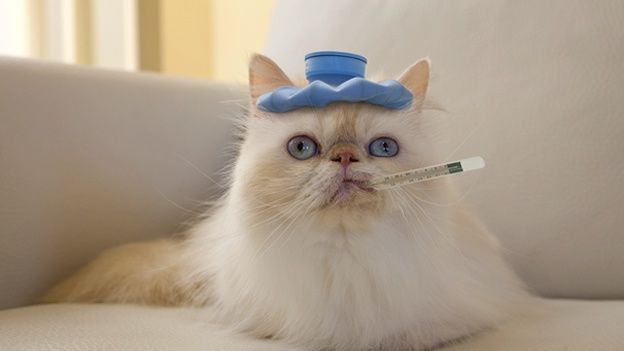
To take your cat's temperature, lubricate a rectal thermometer (petroleum jelly or personal lubricant are both OK to use) and insert it 1 to 1.5 inches into the cat's rectum. Depending on the thermometer, leave it there from 10 seconds to a minute. The normal temperature for a cat is 100 to 103 degrees, averaging 101 degrees. If the temperature is 104 degrees or above, or 99 degrees or below, call your veterinarian for advice; if it's 105 degrees or above, or 96 degrees or below, go to your veterinarian.
When in doubt, call your veterinarian.
A false alarm is better than ignoring the symptoms of a sick cat.