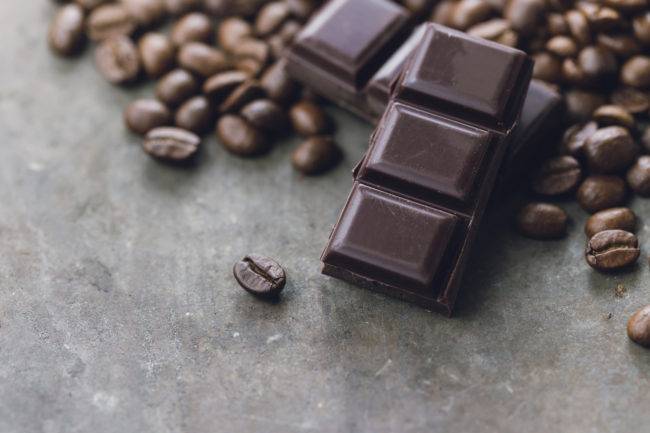
What about dark chocolate? Does knocking back a gin and tonic help you navigate the human experience? Cool. Same. The only downside is that bitter taste preferences have been linked to psychopathic tendencies because joy is an illusion for the weak.
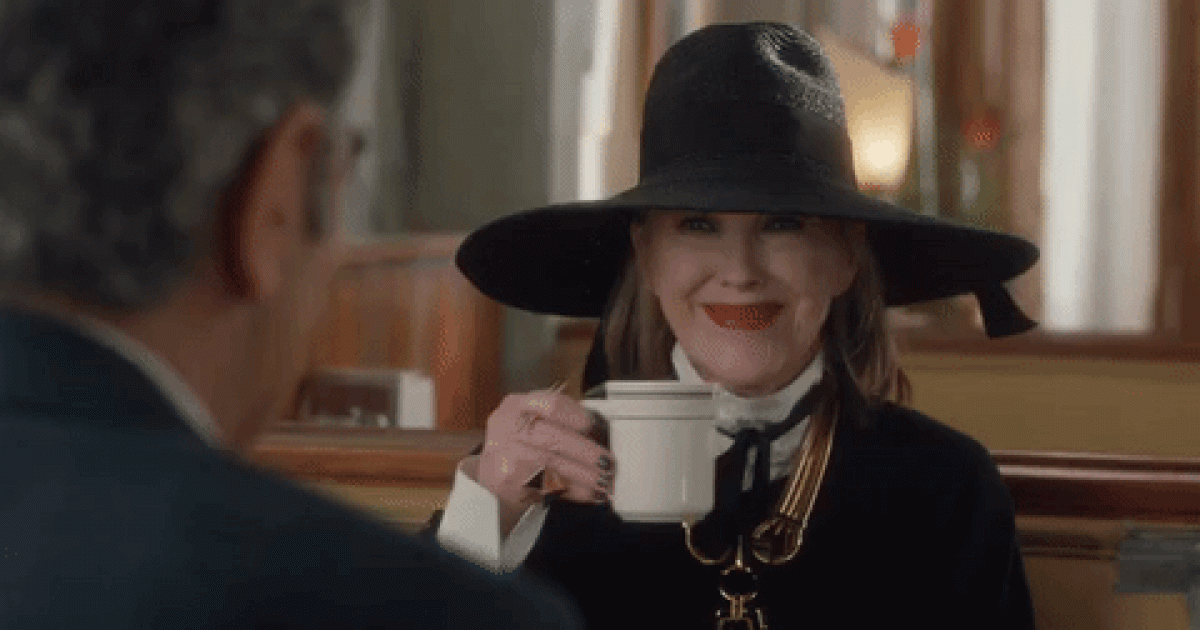
If You Drink Your Coffee Black Science Says You're A Psychopath
By
Haider Ali in
Amazing
On 26th August 2016
advertisement
#1 Those who enjoy bitter foods and drinks are more likely to be about that psychopath life.
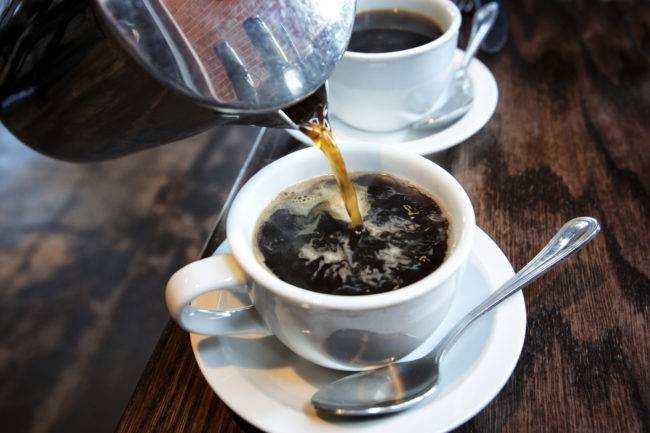
According to a study of taste preferences as they relate to antisocial personality traits, those who enjoy bitter foods and drinks are more likely to be about that psychopath life.The researchers who wrote the study didn't actually ask anyone about whether they take their coffee black. And what the study does say about the relationship between taste preferences and personality traits is probably meaningless and worth ignoring.

#2 Researchers concluded that those who enjoy bitter foods would be okay with staring straight into the mouth of Leviathan before work every day.
The authors of the study, which has been accepted for publication in the journal Appetite, surveyed a total of 953 people recruited on Amazon's Mechanical Turk platform about how much they like specific foods (including coffee); how much they like bitter, sweet, sour, and salty foods in general; and how much they agreed with a total of 52 statements from various personality tests. They found that people who said they liked bitter foods in general were very, very slightly more likely to have traits associated with psychopathy, narcissism, sadism, and Machiavellianism. However, there was no correlation between people liking specific bitter foods (e.g., coffee) and having these "dark" traits.
advertisement
#3 These individuals are associated with Machiavellianism,you know that this is absolutely not a compliment in any context whatsoever.
Apparently, no one can agree on what constitutes a bitter food. When the researchers asked participants to assess the flavors of specific foods, they found that participants disagreed with the researchers over whether certain foods were bitter. The researchers thought cottage cheese, ginger ale, grapefruit juice, rye bread, and tea were bitter; participants did not. Whoops! Perhaps this explains why there was a less-than-50-percent correlation between participants saying they liked bitter foods in general and saying they liked the specific bitter foods on the list.

#4 Machiavellian monsters tend to bring sadism, psychopathy, narcissism, and overall darkness to the table.
You might think that the lack of consensus over what "bitter" means would send the authors back to the drawing board to design a better study. Instead, the authors forged ahead, ignoring the fact that the majority of relationships between taste preferences and personality traits were statistically insignificant. Even the strongest correlation touted by the study is pretty weak: The researchers found that liking bitter foods is predictive ofat the very best19 percent of someone's sadism. There was a much stronger correlation between saying you like bitter foods and saying you like sour foods than there was between saying you like bitter foods and having any particular personality trait.
advertisement
#5 It's worth mentioning that the study was relatively small and self-reported.
We should also consider the possibility that the participants didn't take the study very seriously. (And why should they? In accordance with Mechanical Turk's ridiculously low rates, they were paid only $0.60 to $1 for their participation.) Self-reporting is notoriously unreliable, and the study included a bunch of personality-test questions that I, personally, would have no idea how to answer. For instance, participants were asked to rate this statement on a scale from 1 (extremely uncharacteristic of me) to 5 (extremely characteristic of me): "I often find myself disagreeing with people." What constitutes disagreement? What constitutes "often?" Does "people" include Donald Trump or just people I actually know and hang out with? If I were being paid $0.60 to answer 52 maddeningly vague questions like this, I'd probably just mark a number arbitrarily and move on as quickly as possible.
advertisement
#6 Should this study even exist?
Far be it from me to tell any scientist that she shouldn't pursue her dreams, even if those dreams involve trying to measure a relationship between taste preferences and personality traits that is probably not real. What I do know is that the only reason anyone in the media is covering this studyand framing it as a referendum on black-coffee drinkers' mental healthis that people love reading about the ostensible dangers of coffee, even if they're not rooted in solid science. It's enough to leave a bitter taste in your mouth.