

Kieran Cooper's rare childhood liver condition led to a second transplant more than two decades after his first
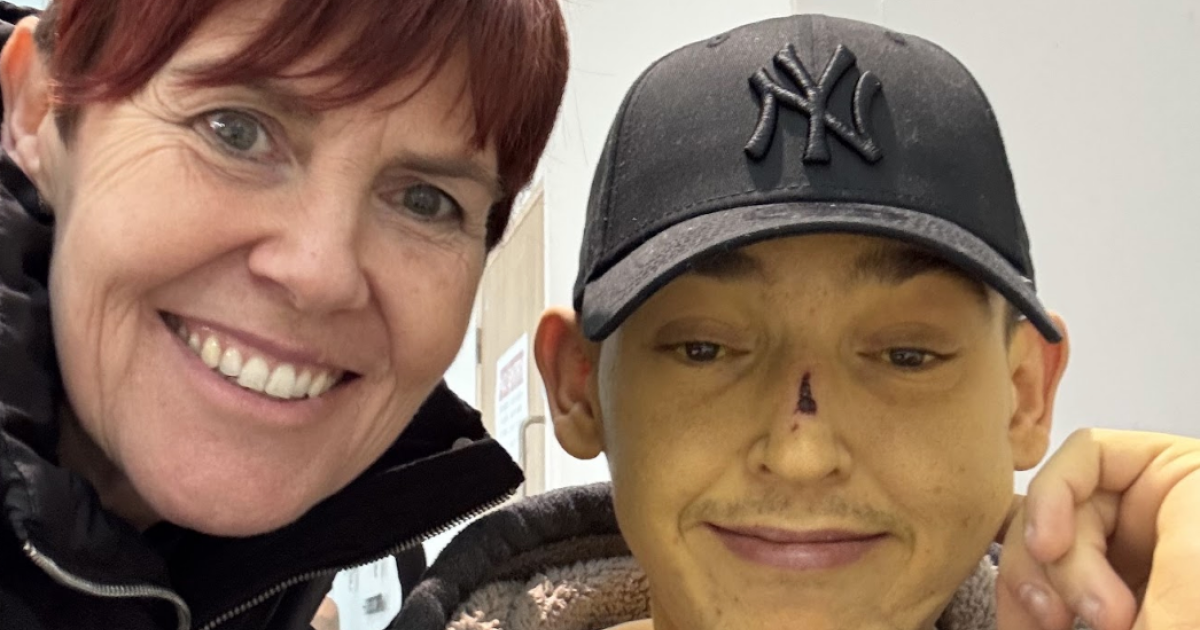
25-Year-Old Woke Up 'Bart Simpson' Yellow — And The Cause Went Back To Infancy
By
maks in
Life Style
On 28th July 2026
advertisement
Kieran Cooper's liver problems began before he was old enough to understand them. He developed jaundice and turned yellow when he was only two days old after being born with a rare disease affecting the liver and bile ducts.
Doctors operated when Kieran was seven weeks old, but the procedure did not work as hoped. His condition continued to damage his liver, and in 2002, at 11 months old, he received his first liver transplant.
For much of his childhood and early adult life, that transplant allowed him to live in good health. Then, in January 2026, the now 25-year-old woke up with his skin turning a 'luminous' yellow. Kieran and his family tried to joke about the frightening change, saying he looked like Bart Simpson.
Kieran, from Northwich in Cheshire, was diagnosed as a baby with biliary atresia. This rare liver condition affects newborns and prevents bile from draining out of the liver as it should.
The condition develops when the bile ducts do not form as expected or become blocked. Bile then becomes trapped inside the liver instead of moving toward the gallbladder and intestine, where it helps the body digest fats.
King's College Hospital says biliary atresia can cause jaundice and serious liver damage. The hospital sees only around 20 to 30 newly diagnosed babies each year, making it a condition many families have never heard of before it affects their child.
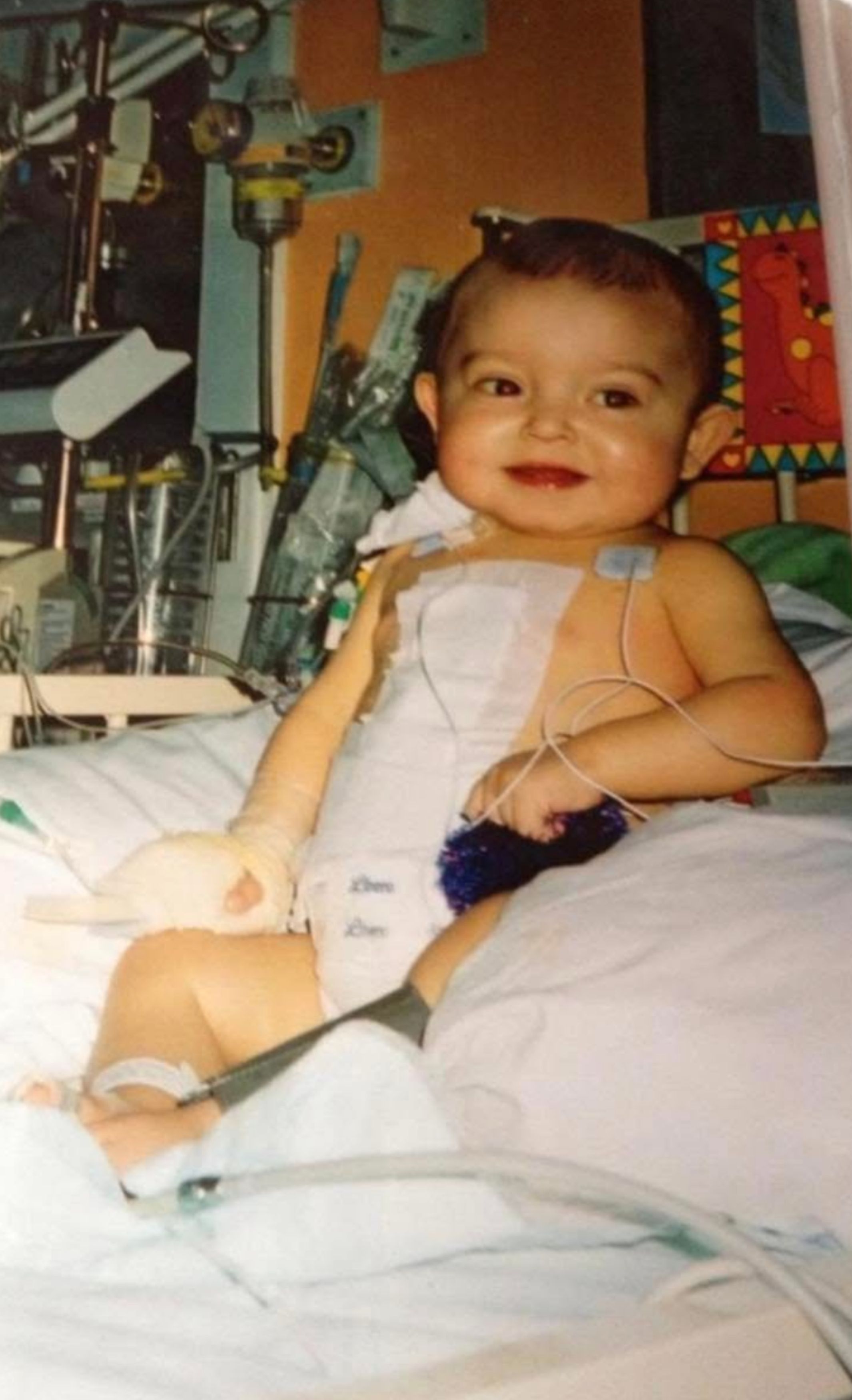
He'd had a liver transplant within the first year of his life
Kennedy News and Media
advertisement
Why Kieran's skin turned such a bright yellow
The yellow color was caused by jaundice, which happens when a substance called bilirubin builds up in the body. Bilirubin is created as old red blood cells break down and is usually processed by the liver before leaving the body.
When the liver cannot clear bilirubin as it should, the substance can collect in the blood. The change may become visible in the skin and the whites of the eyes, while some people may also notice darker urine, pale stools, or itching.
The NHS advises that yellow skin or eyes need urgent medical attention because jaundice can be linked to several serious problems involving the liver, gallbladder, bile ducts, or pancreas. For Kieran, the striking color was a visible sign that his transplanted liver was no longer coping.
'I absolutely feared for his life'
Kieran's mother, Kerry Cooper, said he had not been 'feeling well' before the sudden change. By the next morning, she could see that he looked 'yellow', and his condition was serious enough for an urgent transfer to Birmingham.
"We got blue-lighted to Birmingham and he was there for five weeks," she recalled.
The color became far more intense while Kieran was in the hospital. Kerry said: "He had been yellow for a few months but it got worse while he was in Birmingham. He was yellow but he went luminous, we joked saying he looked like Bart Simpson."
advertisement
Even short trips outside the hospital became difficult for the family. Kerry said 'everyone was looking at him' whenever they went out for some fresh air because his yellow skin made him stand out from the people around him.
The attention added another layer of stress to an already frightening hospital stay. Kieran could not hide the change or control how strangers reacted, while his family remained focused on whether his condition would improve.
What may have looked unusual to people passing by was a serious medical symptom rather than a change in appearance. Kieran later said the stares made him feel uncomfortable and affected his confidence about going outside.
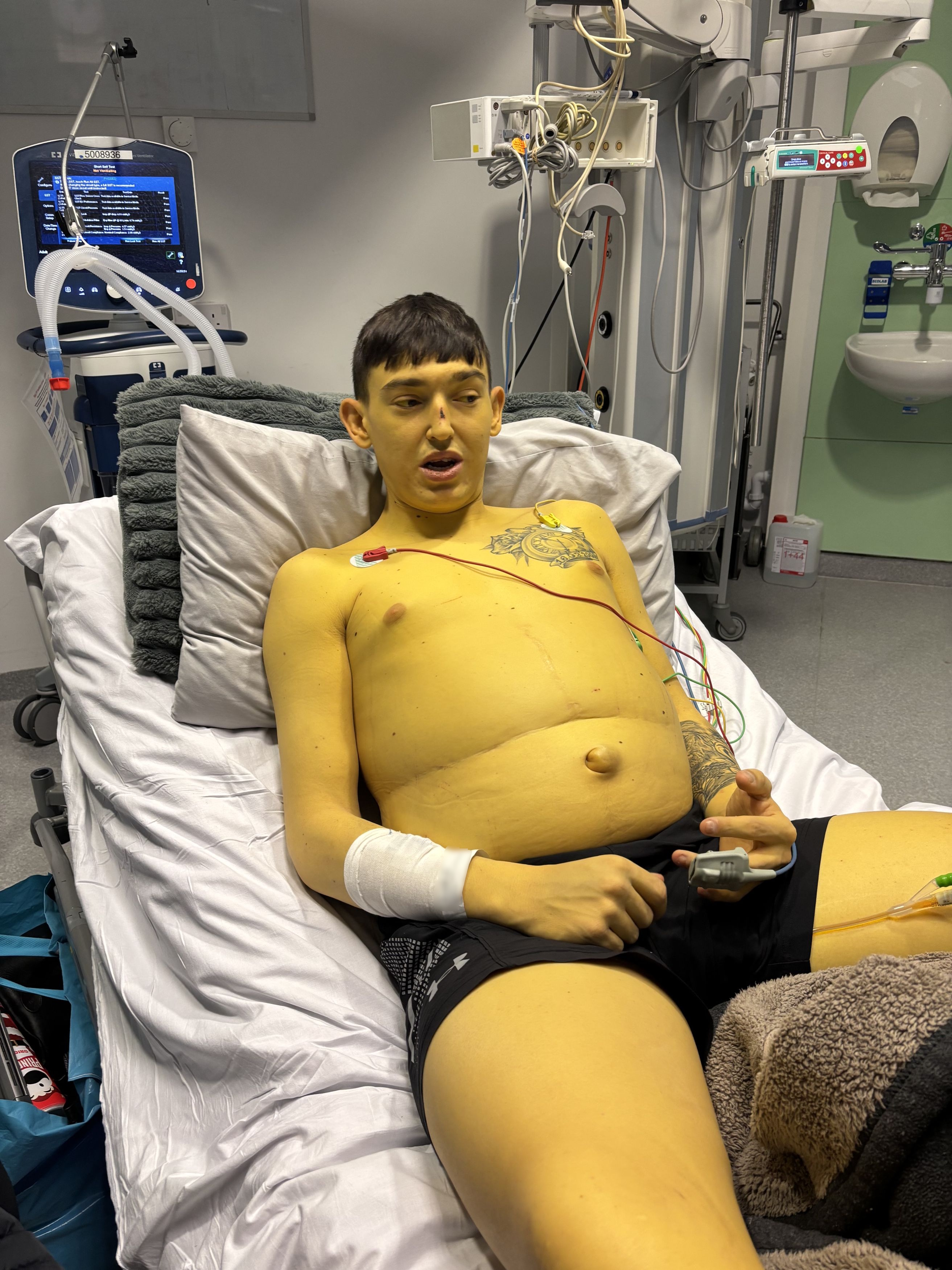
He says he looked like one of the Simpsons.
Kennedy News and Media
advertisement
Kerry said the situation became much more serious when her son needed intensive care. "He had to go into intensive care. It was pretty rough as a family, we didn't know whether he would survive it," she continued.
"It was awful. I absolutely feared for his life."
Kieran had remained fit and healthy for years after the liver transplant he received as a baby. Complications began in 2014, when he was around 13, and his health team placed him on the waiting list for another liver transplant in 2023.
advertisement
His health declined further at the start of 2026. By then, the problems that had developed over several years had reached the point where his liver could no longer support him without another transplant.
Kieran spent five weeks at Queen Elizabeth Hospital Birmingham and received his second liver transplant on February 28. During the wait, the bilirubin in his body continued to rise, causing the severe jaundice that turned his skin such a vivid shade of yellow.
The hospital's liver transplant teams care for patients before surgery, while they wait for a donor organ, and during recovery. That care can involve liver doctors, surgeons, transplant coordinators, specialist nurses, dietitians, and physiotherapists working together.
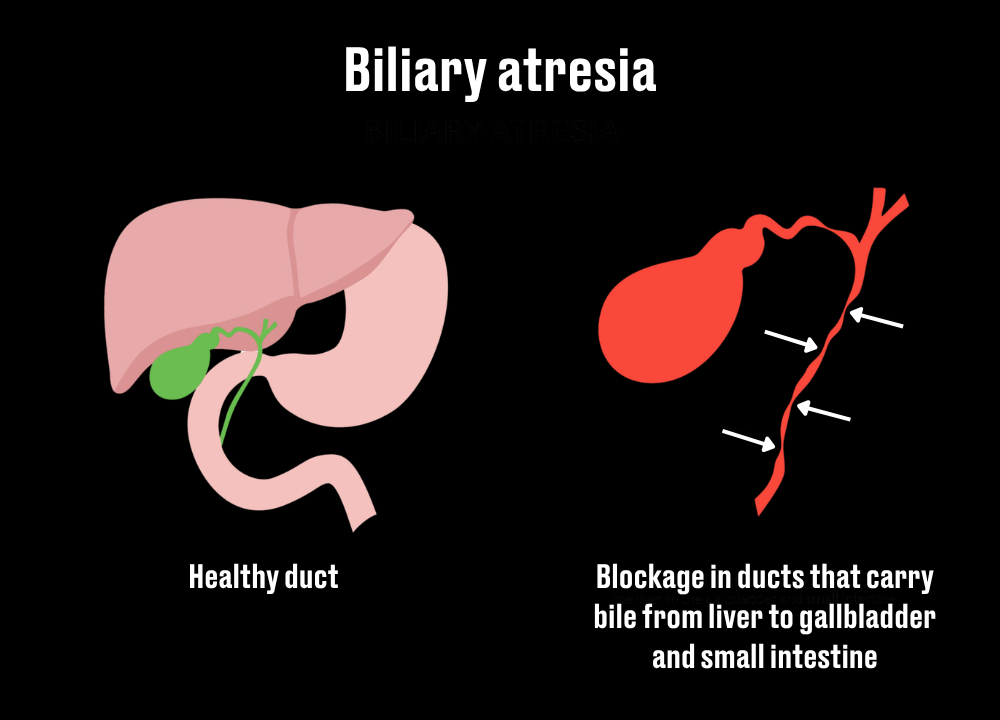
The rare condition affects newborn babies
LADbible/Getty Stock Images
advertisement
Kieran recalled how startling the change had been when he first saw it: "It was a shock [turning yellow], I looked like one of the Simpsons,"
The physical change also affected how he felt around other people. "It made me self-conscious [walking down the street], it was quite uncomfortable."
Once the second transplant had been completed, his skin went 'back to normal straight away' as the new liver began clearing bilirubin from his body. Kieran said he now feels 'a lot better', although the operation marked the beginning of another difficult stage rather than an instant return to normal life.
advertisement
Why recovery can be difficult after a liver transplant
A liver transplant is major surgery, and the first days of recovery often take place in intensive care. Patients may need strong pain relief, close monitoring, breathing support, and help getting out of bed before they can begin walking safely again.
NHS Blood and Transplant explains that nurses and physiotherapists help patients start moving after surgery. Getting mobile can lower the risk of blood clots and chest infections, but the pace depends on how unwell the person was before the operation and how their body responds afterward.
Kieran's recovery was especially demanding because he had been seriously ill before the transplant and had spent weeks in the hospital. The loss of strength meant he could not simply stand up and return to his old routine once the surgery was over.
advertisement
'I've been to hell and back'
The transplant saved Kieran's life, but the pain and loss of strength that followed changed what everyday recovery looked like. Tasks that once required no thought had to be approached slowly while his body healed from surgery.
Learning to walk again became one of the hardest parts. Hospital physiotherapists help transplant patients rebuild movement and make sure they can manage safely before going home, but progress can take time after a long illness and major operation.
The emotional side has lasted beyond the hospital stay. Kieran is grateful to be recovering, yet the memory of strangers staring at his jaundice has left him anxious about being seen outside.
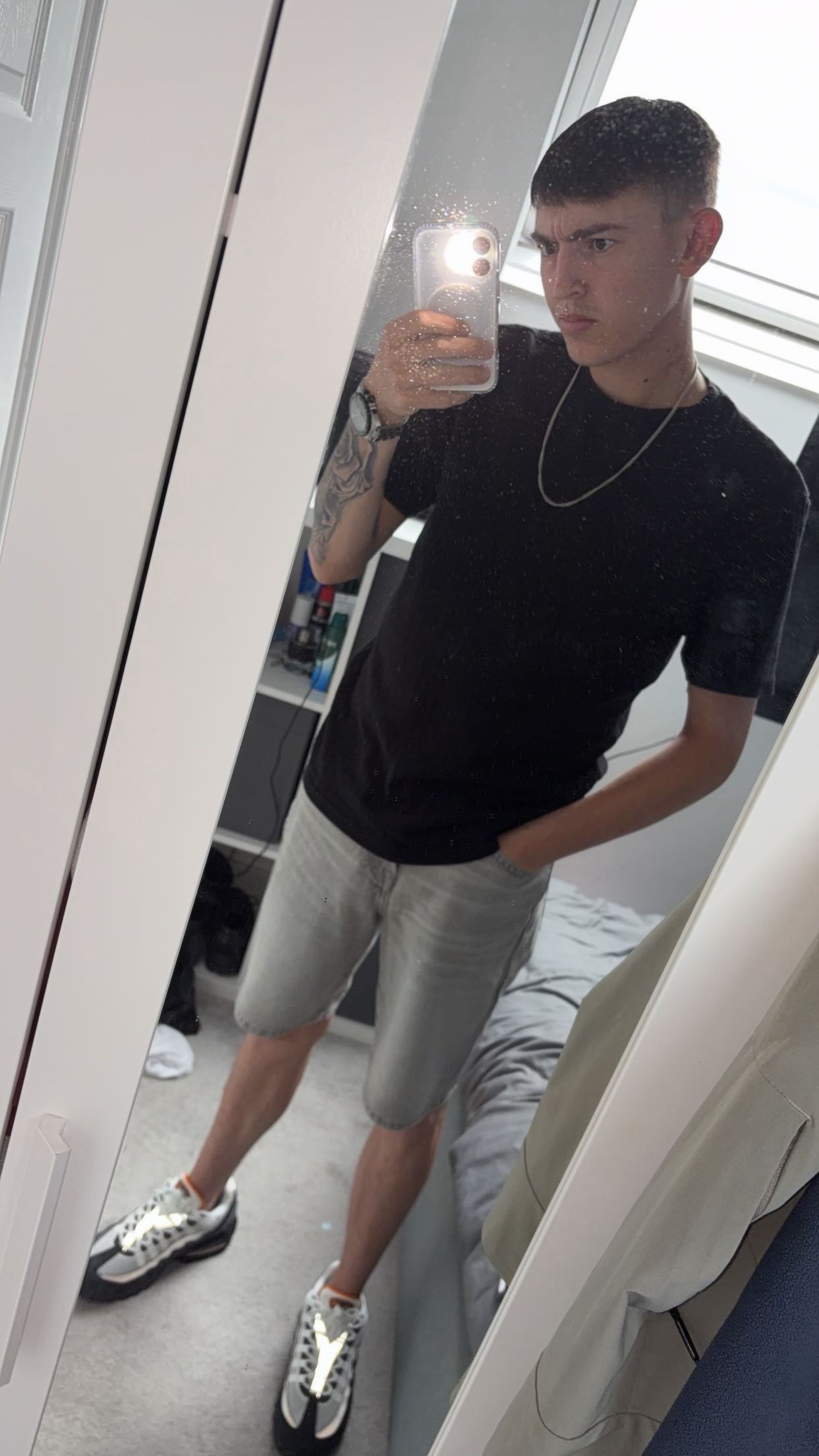
He says his skin went back to normal after surgery.
Kennedy News and Media
advertisement
Although the yellow color has disappeared and his health is improving, Kieran said he is 'still scared to go out'. His physical recovery and the attention he received while ill have both affected his confidence.
Describing how difficult the period after surgery became, he explained: "It wasn't painful before but after [the transplant] it was horrendous. I had to learn to walk again too, it wasn't very nice,"
His medical care will continue long after the wound has healed. "I go to the hospital every six weeks and I have to take medication for the rest of my life."
advertisement
Why transplant medication continues for life
The immune system is designed to attack anything it sees as foreign. That can include a donated liver, so transplant recipients need immunosuppressant medicine to reduce the chance of their body rejecting the organ.
NHS Blood and Transplant guidance says the doses may reduce as recovery continues, but some anti-rejection medication will be needed for the lifetime of the transplanted liver. Regular blood tests help doctors check whether the medicine level is too low or too high.
The drugs can also make a person more likely to develop infections and may cause other side effects, which is why follow-up appointments remain important. Kieran currently returns to the hospital every six weeks so his team can monitor both his new liver and the medication protecting it.
Kieran found it hard when strangers stared at his yellow skin, but he knew he 'couldn't help it'. Jaundice had changed his appearance in a way that was impossible to hide while he was already dealing with a life-threatening illness.
He added: "It went back to normal straight away," "I'm glad I'm back on the mend and I'm grateful to be alive."
Kieran is not working at the moment because of his health. He is now sharing his personal experience to help more people understand biliary atresia, jaundice, organ transplants, and the long recovery that can follow life-saving surgery.
advertisement
Kieran hopes speaking openly will help others recognize that a sudden change in skin color can be a serious medical warning rather than something to stare at or make assumptions about.
He also wants people to understand that receiving a donated organ does not end the medical journey. Recovery can involve pain, weakness, regular appointments, lifelong medication, and the fear that health problems may return.
Looking back at everything he survived, Kieran said: "You don't want to go through the stuff I've been through, because I've been to hell and back,"