

The commercial diver survived an encounter that sounds impossible, but the speed of his escape made it less traumatic than an earlier disaster
advertisement
Most people would struggle to name anything more frightening than being trapped inside a humpback whale's mouth. Commercial lobster diver Michael Packard can, because the whale encounter was not the closest he had ever felt to losing his life.
Packard survived the bizarre underwater incident while working off Cape Cod, Massachusetts. For several seconds, he could not see where he was, his breathing equipment came loose, and he had no control over where the whale was taking him.
Even so, he says an aircraft crash from years earlier left a deeper mark. The key difference was time: the whale released him within a minute, while the earlier disaster left him badly injured and stranded in a jungle for three days.
Anyone convinced they have terrible luck may feel differently after hearing everything Packard has survived. His life has included two events that would sound excessive even in an action movie.
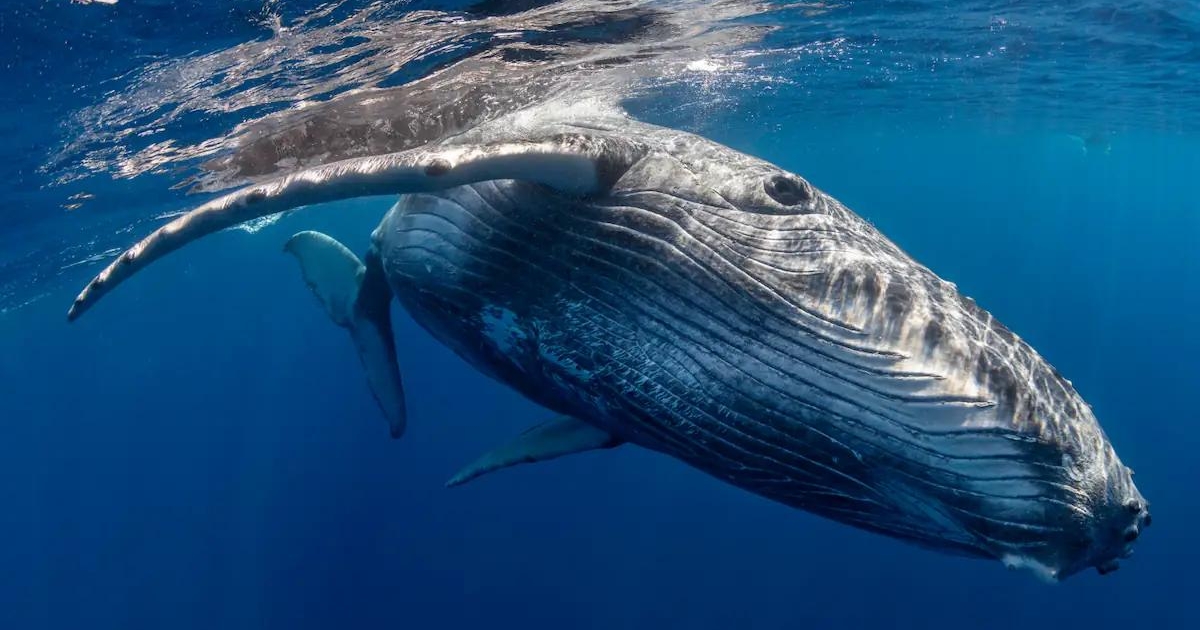
His 2021 encounter with a humpback whale became known around the world. The animal scooped him into its mouth during a feeding dive, carried him toward the surface, and then threw him back into open water.
That experience came about 20 years after Packard survived a deadly plane crash in Costa Rica. Although the whale incident was more unusual, he says the crash caused greater fear and longer-lasting emotional harm.
advertisement
Packard's earlier brush with death helps explain why he remained focused after the whale closed its mouth around him. Many people would have frozen or panicked, but he had already learned what it felt like to believe rescue might never come.
On the morning of June 11, 2021, the experienced lobster diver left Provincetown and headed out to work off the coast of Cape Cod. Commercial divers in the area collect lobsters from the seabed while breathing through surface-supplied equipment.
Packard entered the water expecting another normal working day. He had no reason to think his dive would end with him being carried toward the surface inside the mouth of one of the largest animals in the ocean.
The third dive changed from routine to terrifying in seconds
Packard completed his first two dives without a problem. When he descended for a third time, he was working about 45 feet below the surface and expected it to be as uneventful as the others.
Without warning, something hit and surrounded him with enormous force. He later told the Cape Cod Times: "It was like a freight train."
The impact sent him through churning water as everything around him turned black. His first thought was that a great white shark had attacked him, but he could not feel teeth tearing into his body.
advertisement
Packard was caught in the whale's mouth, not swallowed into its stomach
Packard soon realized that he was inside a whale's mouth. The animal had most likely taken him in by accident while opening its jaws to collect fish and a huge volume of seawater.
Humpbacks are baleen whales, which means they filter small prey from the water rather than biting and chewing larger animals. Their mouths are enormous, but the opening at the back of the throat is far too small for an adult human to pass through.
NOAA humpback whale facts describe the throat opening as roughly the size of a grapefruit. Packard could fit inside the mouth, but the whale could not have swallowed him into its stomach.
advertisement
Packard had no visibility inside the whale's mouth. Water rushed around him as the animal moved, leaving him unable to tell which direction it was traveling or how long he might remain trapped.
His breathing regulator had been knocked loose during the impact. He managed to find it and reconnect it, giving him a supply of air while he tried to understand what had happened. Still convinced he was about to die, he remembered thinking: "This is it, this is how you die."
His mind turned to his wife and children as the seconds passed. Then, in less than a minute, the whale rushed toward the surface, shook its head, and opened its mouth.
advertisement
Packard was thrown free and suddenly found himself floating in daylight again. Moments earlier, he had accepted that he might never leave the animal's mouth, yet he was now back in open water and able to breathe.
The escape created another concern. The whale had carried him from a depth of about 45 feet to the surface at a speed he could not control, exposing him to the risks linked to a rapid ascent.
Packard checked his condition and believed he had survived the worst of it. He recalled thinking: "I'm messed up, I know, but I think I'm going to live."
advertisement
Why an uncontrolled ascent can be dangerous for a diver
Water pressure falls as a diver moves toward the surface. During a normal ascent, divers rise at a controlled rate, keep breathing, and follow any required stops so gases can leave the body safely.
An uncontrolled rise can increase the risk of decompression sickness, lung overexpansion, or an arterial gas embolism. Divers Alert Network lists rapid ascent as one factor that can contribute to decompression illness, especially after deeper or longer dives.
Packard's regulator had been restored, which allowed him to keep breathing while the whale surfaced. The article does not report that he developed decompression sickness, but the sudden depth change gave him another reason to fear that the incident had caused serious harm.
advertisement
Marine experts who reviewed Packard's account said the encounter was extremely rare but physically possible. A feeding humpback can open its mouth wide enough to take in a diver along with fish and seawater.
However, the whale could not pass Packard into its stomach. Its narrow throat is built for small fish and krill, not a human body, despite the huge size of its mouth and expanding throat pleats.
The animal also had no reason to keep him. Once it detected something too large to swallow, it moved toward the surface and expelled him, ending an accidental encounter that was dangerous for both the diver and the whale.
advertisement
Packard did not allow the experience to end his career. "I'm still the same old guy doing my same old stuff," he said, making it clear that he still viewed himself as the same working diver he had been before the incident.
His calm response surprised people who imagined the whale encounter would leave him unable to return to the ocean. Packard had certainly been terrified, but the fear came in one short burst before the animal released him.
Years earlier, he had faced a slower and more painful struggle. That ordeal gave him time to think about his injuries, isolation, and the possibility that nobody knew where to find him.
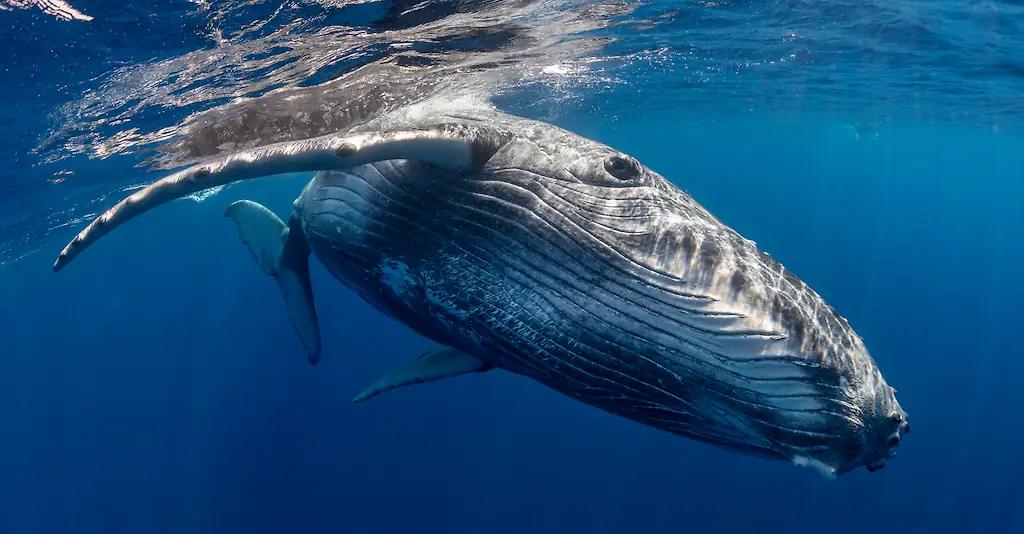
The whale both swallowed and spat Packard out in under a minute.
Credit: By wildestanimal / Getty
advertisement
The earlier crash killed three other people
Packard's more frightening experience began in November 2001, when he boarded a small plane in Costa Rica. The flight was traveling from San José toward the fishing community of Puerto Jiménez when it crashed in a remote jungle area.
The aircraft carried Packard and several other passengers. Three people died in the crash, while Packard and the other survivors were left in a difficult location with serious injuries and no immediate way to call for help.
A report on Packard's plane-crash survival says he was thrown from the aircraft before it struck the ground. Surviving the impact was only the beginning of the ordeal.
advertisement
A plane crash left him injured and alone with his thoughts
Packard's life already sounded like a survival movie long before the whale found him. After the plane went down, he was left in the Costa Rican jungle with severe injuries and no clear idea when rescuers might reach the wreckage.
He has described those days as the most frightening experience of his life. Unlike the whale encounter, there was no quick escape. Each hour gave him more time to consider how badly he was hurt and whether his condition was getting worse.
The crash left him with a punctured lung, four broken ribs, and a severed Achilles tendon. A head injury later required 180 stitches, making movement difficult while he waited for help in the wild.
The whale held Packard for less than a minute, but the jungle ordeal continued for three days. He could not simply swim to safety or expect a nearby crew member to pull him from the water.
He remained trapped with his injuries while hoping rescuers would locate the crash site. As the wait continued, he believed his body might hold out for only a little longer, remembering: "I probably would have lasted another day."
That uncertainty left the deeper emotional scar. The whale gave him little time to think before it released him, while the jungle forced him to sit with the fear of dying for days.
advertisement
For Packard, duration was the clearest difference between the two near-death experiences. The whale encounter was violent and confusing, but it ended before he had time to process everything happening around him.
The plane crash became a long battle against pain, fear, and isolation. He had to manage serious injuries while wondering whether anyone was searching the correct area or whether help would arrive before his body gave out.
Being caught inside a humpback whale's mouth may be the experience that made Packard famous, but it was not the one that frightened him most. The three days after the crash caused far greater psychological trauma than the brief encounter beneath the waters of Cape Cod.