Our Days On Earth Are Numbered, Here Is Why
By
Muk Khatri in
Bizarre
On 9th December 2015
We have been sleeping all these years, and it's the time to wake up. The ozone layer is evaporating, and polar caps are melting, causing erratic weather patterns and dramatic rise in sea level.
Thanks to us, we are happily contributing in suffocating our planet, making it count its last breaths. We may enjoy our life to its fullest, leaving this planet good for nothing for our future generations.
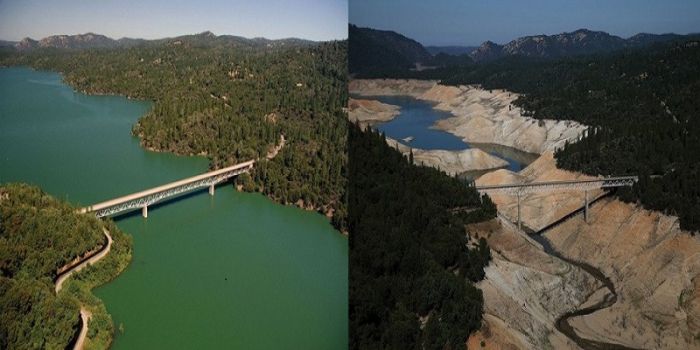
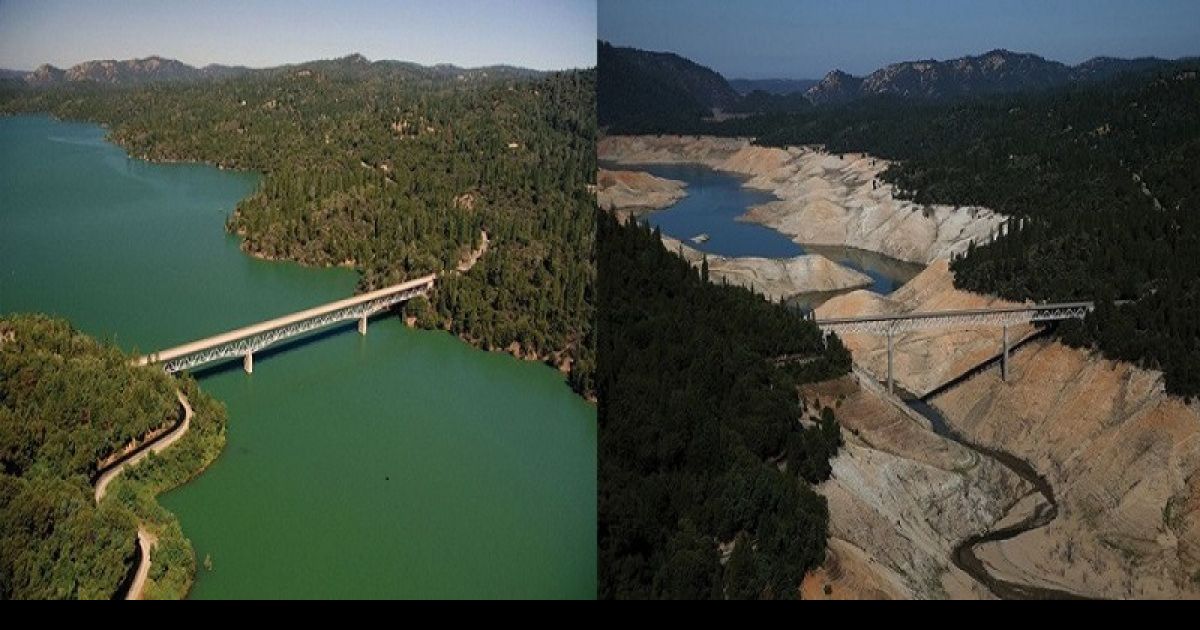
#1 The Enterprise Bridge Passes Over A Section Of Lake Oroville In 2011 (left) And 2014 (right) In Oroville, California, Which Is Experiencing "Exceptional" Drought.
Due to global warming, California has faced one of the worst floods of all times which has resulted in the change of landscape and loss of gallons of fresh water.
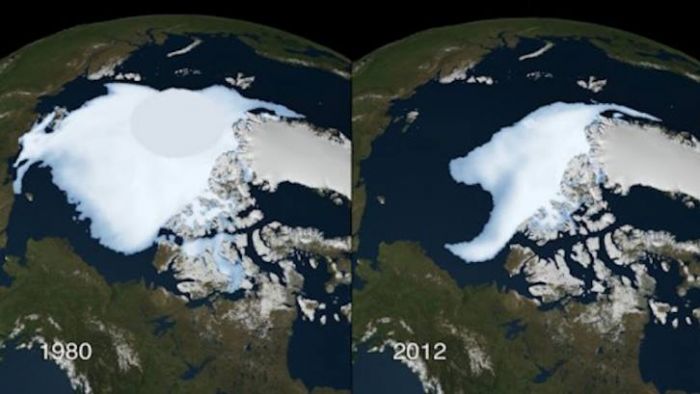
#2 Artic Ice, 1980 And 2012
According to the Climatologists, Artic will have entirely ice-free summers by 2040. The Artic region is home to almost 4 million people. Whether patterns, including Hurricane, can be predicted by understanding weather patterns in the Arctic.
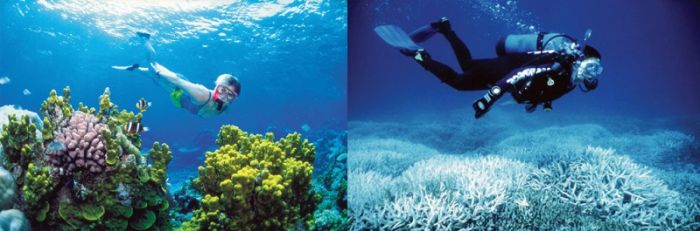
#3 Bleaching Of The Great Barrier Reef, 2002 And 2014
The great barrier reef, which is home to thousands of species is in a great danger. The growth and reproduction of the species are affected by the thermal stress that is caused by an increase in temperature of the sea. Also, in 2002 The great barrier reef suffered from 50% bleaching, in 2012 it went up to 75%.
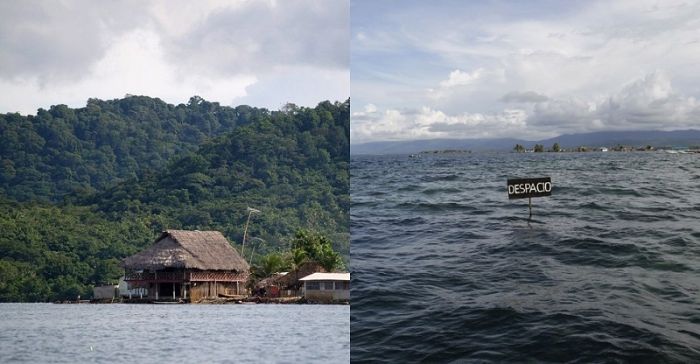
#4 The San Blas Archipelago In Panama: 2002 and 2014
Entire islands are being wiped out, rising sea levels have led to mass property destruction. It is also forcing Panama's most well-known indigenous groups to relocate from their autonomous island territories to the mainland.
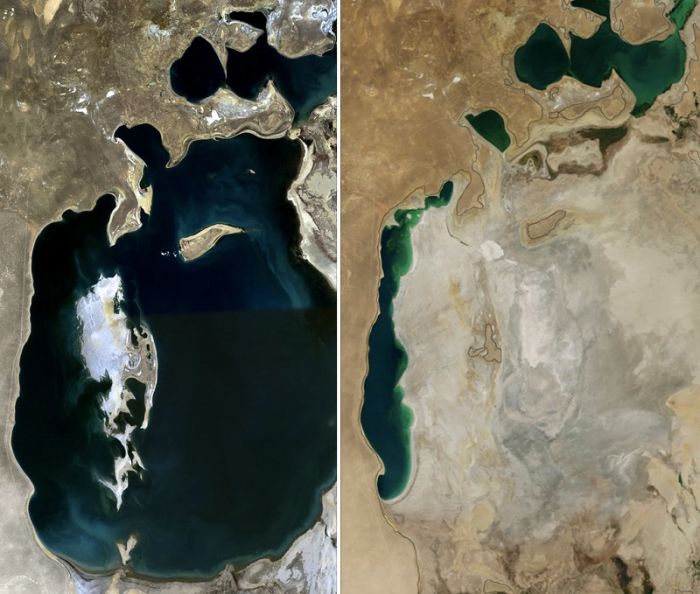
#5 Aral Sea, 1989 And 2014
Aral Sea is shrinking for last 40 years, which was once the world's fourth-largest lake.
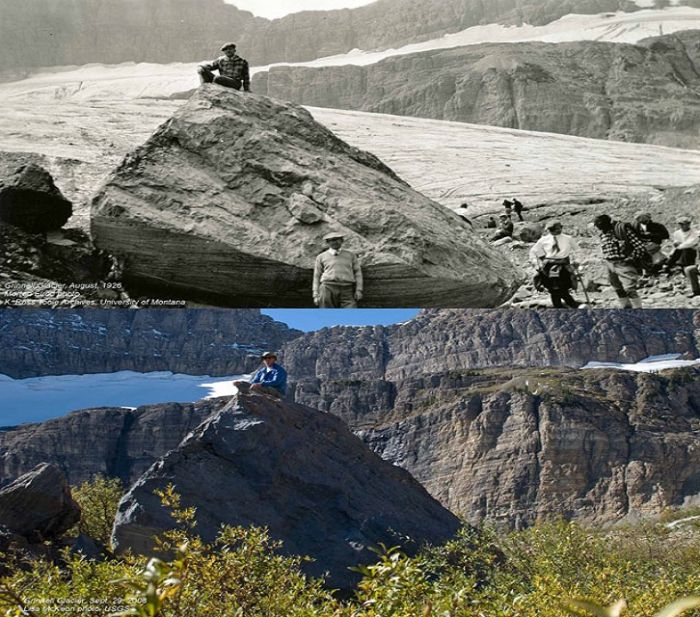
#6 1926 And 2008: Grinnell Glacier In Montana
Melting glaciers form small rivers and streams that lead to increasing sea levels. In the past century, the sea levels have risen by 4 to 8 inches, and it could rise up to 10 to 23 inches by 2100.
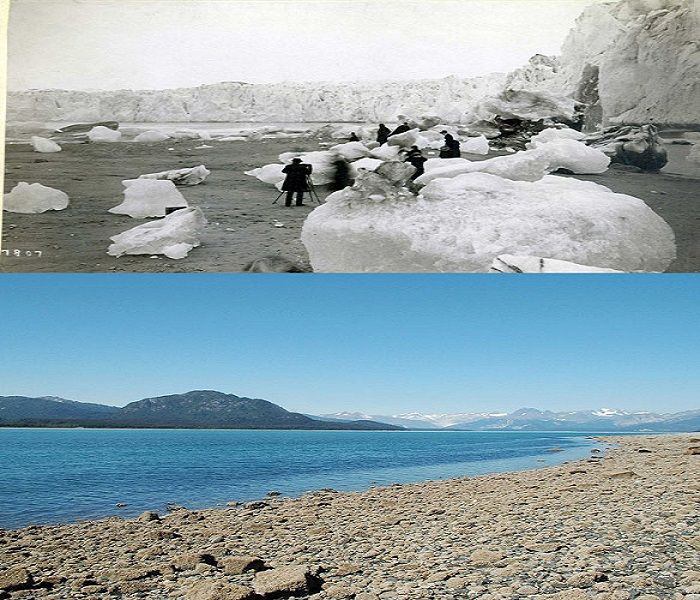
#7 1880s And 2005: Alaskan Muir Glacier And Inlet
Bruce Molnia, who created a project to take repeat photographs of Alaskan glaciers. Making various trips to the glacier, he took a photo from the same location each time to photographically document the retreat of the glacier. The project showed that the glacier has retreated to a shocking 50 kilometres.
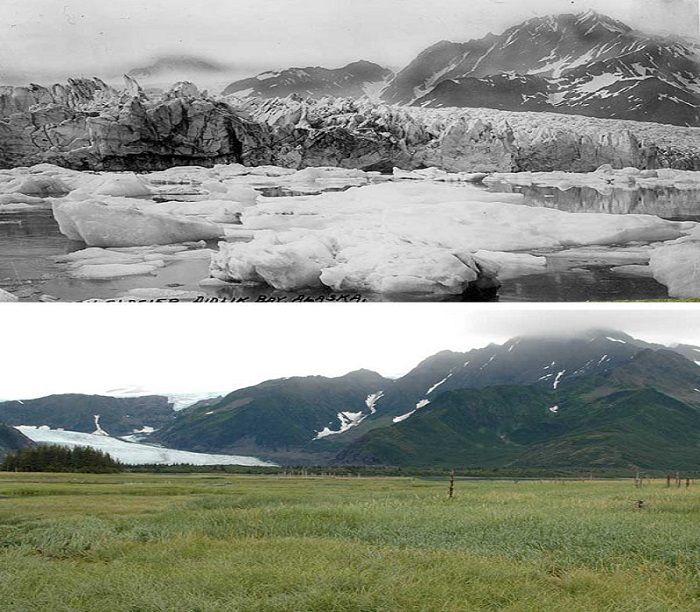
#8 1930s And 2005: Alaskan Pedersen Glacier
Due to the melting of glaciers, the water level has decreased and the surface area of the land has decreased. Glaciers are considered to be source of freshwater but after melting they will mix into the sea and end up being polluted.