

It's thought 40 to 60 percent of sexually active people will experience it at least once
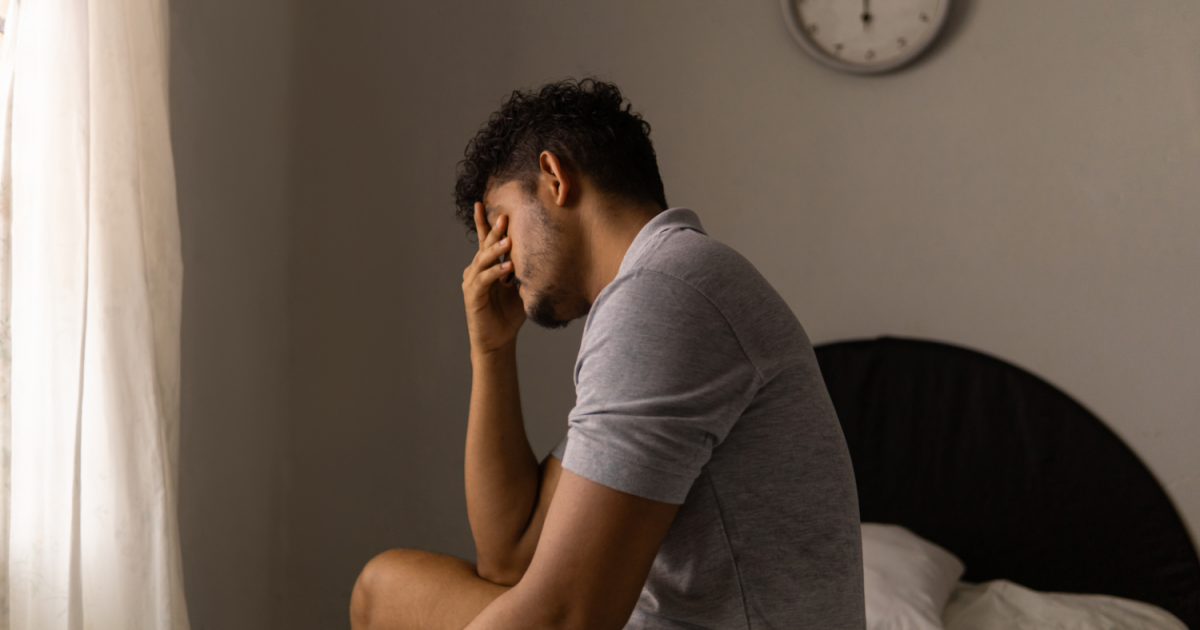
Experts Reveal Why Some People Feel Sad After Masturbating As Condition Gets Official Name
By
Khadija Pervez in
Health and Fitness
On 15th May 2025
advertisement
If you’ve ever ended up feeling low, tearful, or just strangely anxious after masturbating or even having consensual sex, you’re definitely not the only one.
It might surprise you to know that somewhere between 40 to 60 percent of people have felt that way at least once in their lives.
Picture this—you’ve just finished pleasuring yourself (or maybe it was with a partner), and suddenly, out of nowhere, you’re hit with a wave of sadness you weren’t expecting.
Does that situation ring a bell? If it does, you’ll probably feel a little better knowing that this is actually something quite a few people go through. You’re far from alone.
Researchers have even given it a name ‘Postcoital Dysphoria’ to describe this exact emotional reaction. But what does it really mean?
Below, we’ll explore what Postcoital Dysphoria (or PCD) is, what symptoms usually show up with it, and some helpful ideas to manage those intense feelings when they pop up.
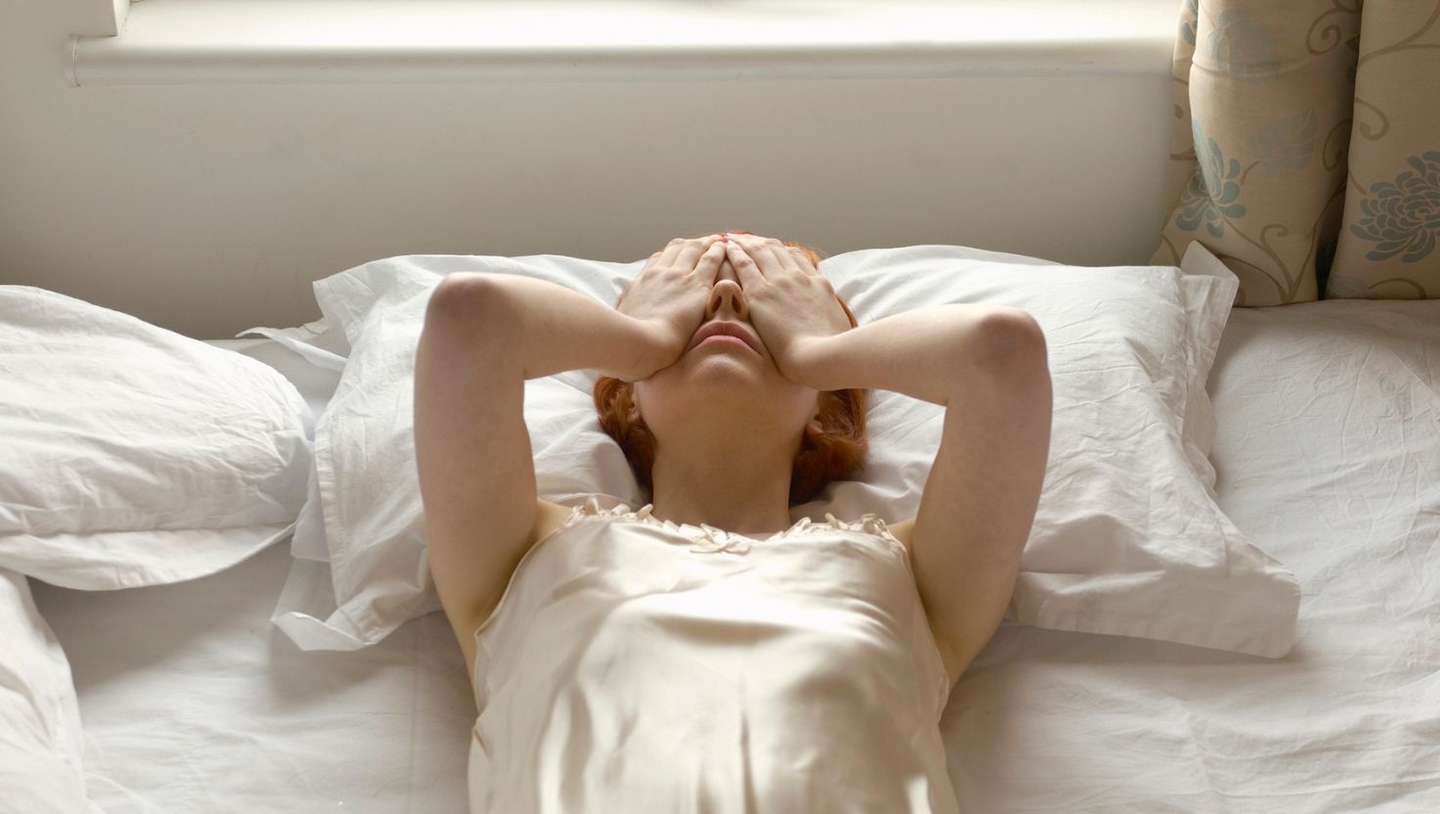
40 to 60 percent of people are likely to experience Postcoital Dysphoria at least once
Getty Stock Image
advertisement
What is Postcoital Dysphoria and its associated symptoms?
According to Psych Central, PCD is a condition that can cause a person to feel really sad, uneasy, on edge, or even irritated right after sexual activity.
And it’s not just limited to sex with a partner—these same emotional reactions can happen after solo sessions too.
Experts also point out that these feelings might hit whether or not you actually orgasm during the experience, either on your own or with someone else.
Some common signs linked to this condition include feeling really down or even depressed after being intimate. It might involve crying or feeling regretful or guilty afterward.
Other symptoms that have been mentioned include a sense of shame, emotional numbness, and in some cases, even panic attacks. WebMD also adds ‘feeling unsatisfied’ as a potential sign of PCD.
It’s important to note that the term ‘postcoital depression’ specifically refers to negative feelings that come after consensual sex. It does not apply to situations involving sexual assault or non-consensual acts.
advertisement
What causes Postcoital Dysphoria?
Sadly, there aren’t a whole lot of studies that clearly explain what causes PCD, so there’s still a lot we don’t fully understand.
That said, mental health professionals believe that these feelings might sometimes come from past experiences, like childhood or early adult trauma involving sexual abuse, or even lingering resentment around sex itself.
Other possible links include underlying mental health issues like anxiety, which can affect mood or trigger emotional and behavioral shifts, according to WebMD.
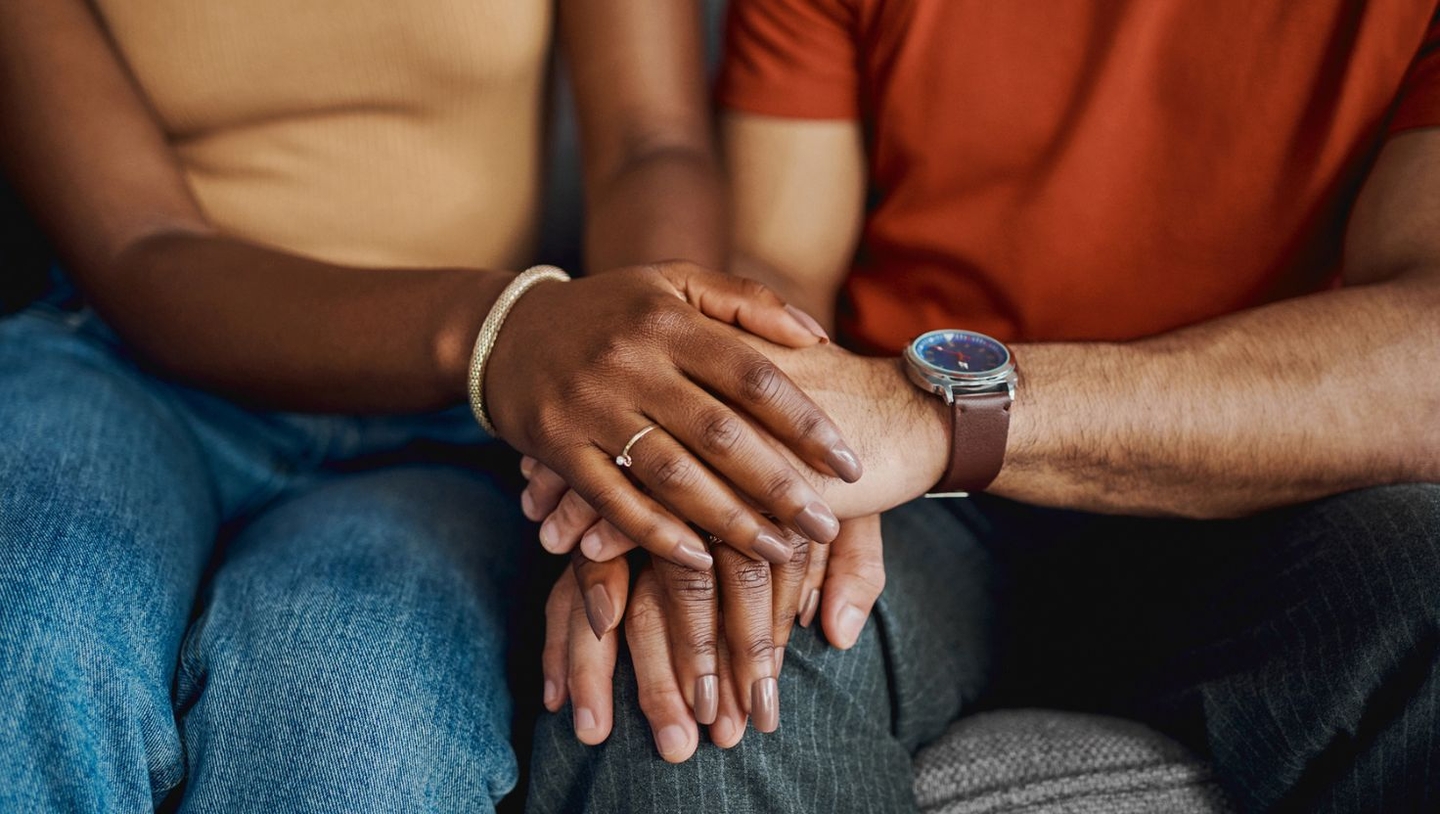
Experts believe issues with sex and relationships could cause the negative feelings
Getty Stock Image
advertisement
Another factor that could explain the connection between sex and feeling down afterward is relationship stress. If things aren’t great between you and your partner, that tension might carry over into how you feel afterward, as noted by Psych Central.
If it’s your partner who seems to be dealing with PCD, try not to take it personally. Their emotions don’t necessarily reflect something negative about your relationship or sex life.
advertisement
How can you manage Postcoital Dysphoria?
If you or someone close to you is going through PCD regularly, it’s good to know that it’s not always something to panic about.
Still, if the feelings are overwhelming or start interfering with daily life, there are a few things you can try to make it easier to handle.
Some suggestions include having honest conversations with your partner, writing down your thoughts in a journal, or doing something fun and engaging that lifts your mood and distracts you.
advertisement
Psych Central also recommends talking to a licensed therapist if your PCD symptoms are starting to affect you in a serious way.
They also say that couples counseling might be helpful, especially if you think relationship stress is playing a role in the sadness you’re feeling afterward.