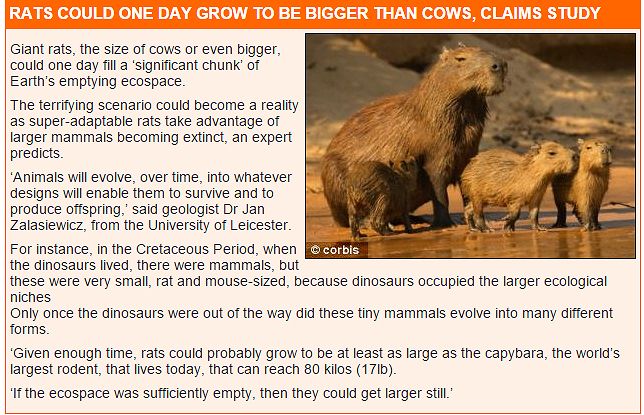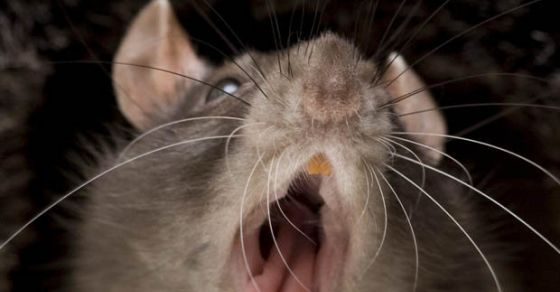
Get ready for giant, mutated RATS to start invading our homes as soon as cooler weather begins. These monsters have become immune to pest control and have begun to mutate to unheard of sizes and shapes! And they're hungry!
advertisement
#1 Super Rats
Deep within our city sewers, a new breed of genetically mutated ‘super rats', immune to poison, are spreading at alarming speeds. And, they are multiplying at a rate of two to one every year!
#2 Rats Are Mutating
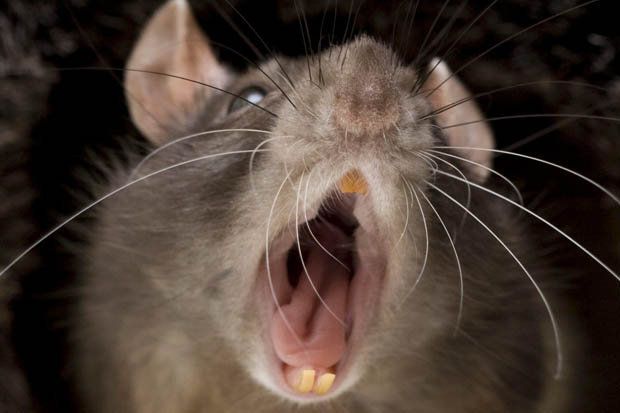
While the rats have been changing, humans have been using the same anticoagulant poisons since the 1950s.
Research earlier this year found that the swarm of 'super rats' spotted across the country is expected to outnumber humans two-to-one by next year.
advertisement
#3 They Are Already Attacking The U.K.
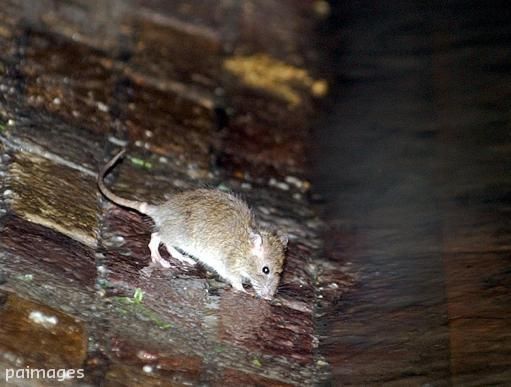
This giant vermin was reportedly found in Gravesend, Kent, as experts warn would outnumber humans two-to-one by this year. Out of 17 counties tested in the UK this year, all have shown an increase in the mutation and size of rats.
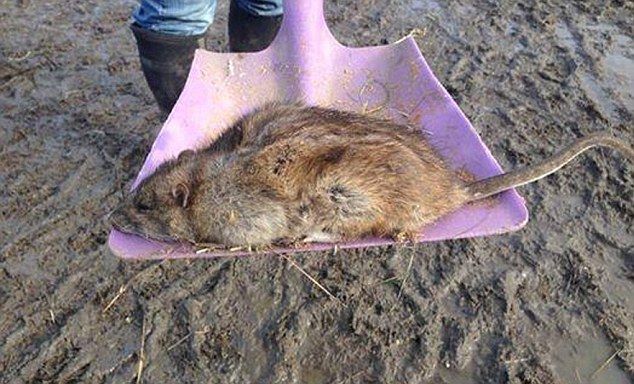
#4 Resistant To Poisons
Rat poisons are controversial, due to secondary poisoning and risks to children, pets and wildlife. Rodents are difficult to kill with poisons because their feeding habits reflect their place as scavengers. Rats will eat a small bit of something and wait, and if they don't get sick, they continue.
An effective rodenticide must be tasteless and odorless in lethal concentrations, and have a delayed effect.
There have been two generations of poisons given to rats. The first generation include warfarin and coumatetraly. The second generation are difenacoum, brodifacoum, flocoumafen and bromadiolone. But rats are growing increasingly resistant to both.
Pest controllers are calling on officials worldwide to approve a third generation of stronger poison to deal with the growing problem of super rats.
advertisement
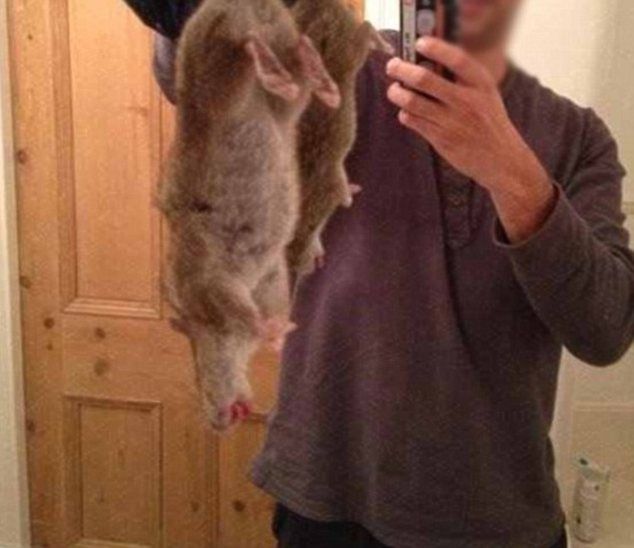
#5 Jack Russel Seen With Cat Sized Rodent
They can carry illnesses which can be passed to humans, including Weil's disease, which has flu-like symptoms initially but can lead to jaundice and kidney failure.
‘I think people should be concerned about these resistant rats because of public health concerns - because they carry disease and various other bacteria and viruses,' said researchers Dr Dougie Clarke.
‘They also damage buildingsthey cost billions of pounds of damage worldwide.'
‘With the use of rodenticides, that will kill off the normal rats, and then the resistant ones will remain.
‘So it's a sort of time bomb of resistance building up over generations of rats.'

advertisement
#6 These Are Not Normal Rats
Normal rats are being killed off by poison, so these resistant species are taking their place. It's only natural that their numbers are expanding and there could be a significant risk to public health if their population is left unchecked. The rodents have become resistant and, in some cases, immune to off- the-shelf poisons to the point where they're actually feeding off the toxic pellets, which means their size and strength is increasing.
advertisement
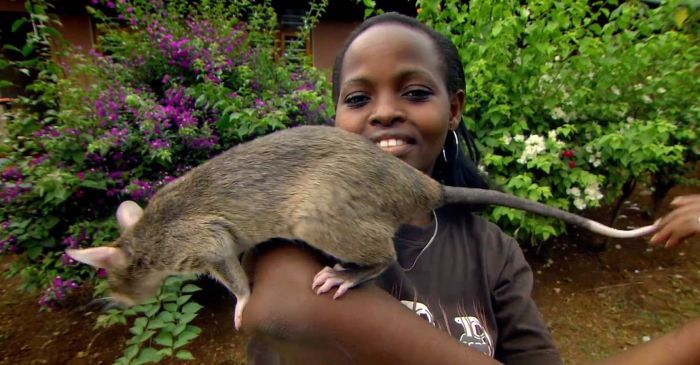
#7 This Giant Monster Was Recently Spotted Near London
Nature abhors a vacuum, though, and rats are the perfect species to fill those gaps. They've survived in just about every environment they've ever been introduced toriding humans' coattails, usuallyand have proven incredibly hard to eradicate. In fact, in some cases, rats are the reason other species are dying off.
Don't picture tiny rodents in your kitchen. These are monsters that have mutated due to evolution and the results of years of trying to control the population with poisons. This one is just an example of the monstrous critters already invading the European Union.
advertisement
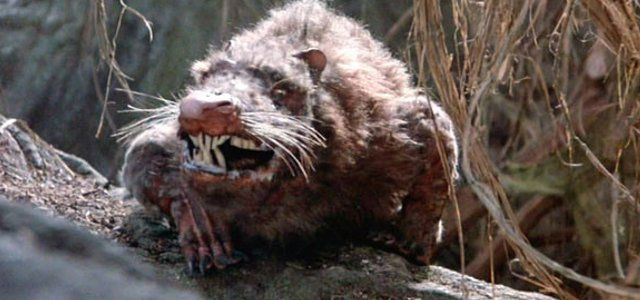
#8 Will Giants Rats Take Over?
Evolution. The survival of the fittest. Rats and cockroaches will survive and evolve to the point of unbelievable size and numbers. Our attempts to eradicate them has only made them stronger and more aggressive.