Pretty Flowers And Shrubs For Winter
By
Editorial Staff in
Nature
On 19th September 2016
There’s still few months until winter, but if we want to keep our garden pretty we need to take care of it all the time!
Flowers require time and attention, and if we give them the right way, they will award us with beautiful bloom and even amazing scent.
If you’re the type of person who wants to care about gardening even in winter,
ahead you will find ten pretty plants that can survive the cold weather and the snow. They don't need much and the proper care will make your garden look like it's from a fairy tale even during the coldest times!
Christmas Rose
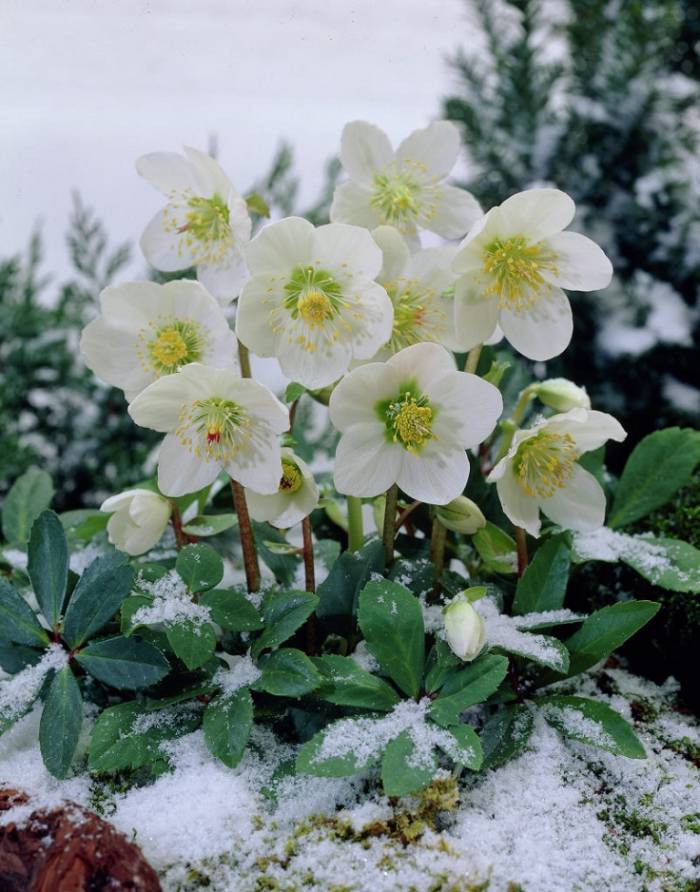
The Christmas rose is an evergreen perennial that will make your garden such a pretty place with the wonderful white flowers! It needs to be planted in a moist, fertile and well drained soil, under deciduous trees that will both allow them to receive sunlight during winter and protect them from strong winds. It will take some time for the perennial to establish, but once it made its way, they don't want to be moved. Every Christmas rose should be planted 12 15 inches apart in early spring. The Christmas rose produces flowers from late fall until early spring.
Viburnum x bodnantense ‘Dawn’
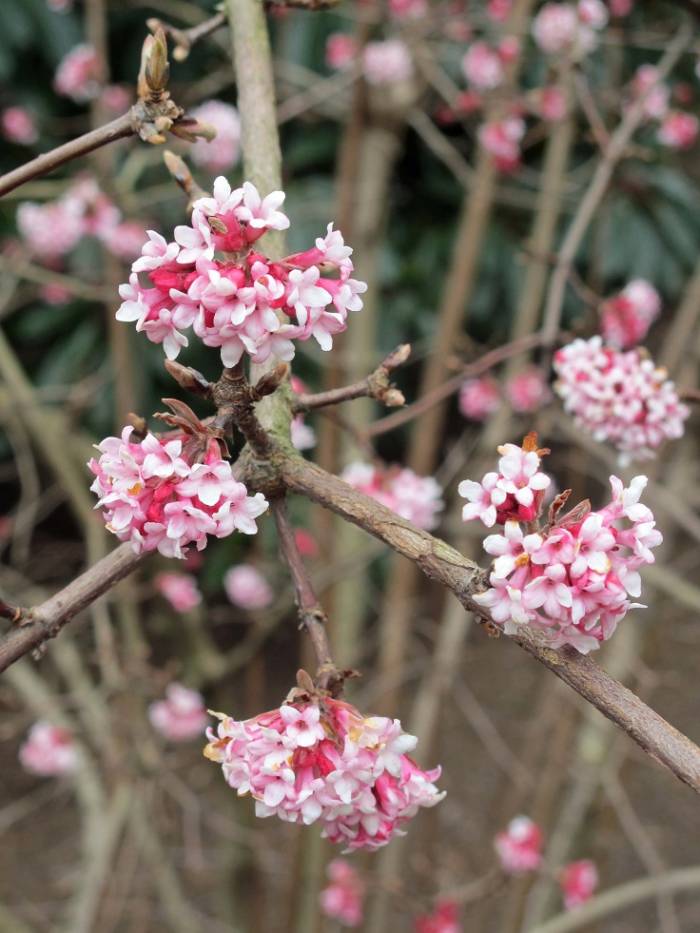
The Viburnum x bodnantense ‘Dawn‘ is a hardy, deciduous shrub that blooms from January to March, skips the summer and then starts blooming again from October to December. The Viburnum plants require sunny location or partial shade and make sure it's a fertile, well drained soil. They need to be watered during their blooming period until the plants are fully established. Viburnum requires little pruning and in spring make sure to apply garden compost to the base of the plant.
Winter Jasmine
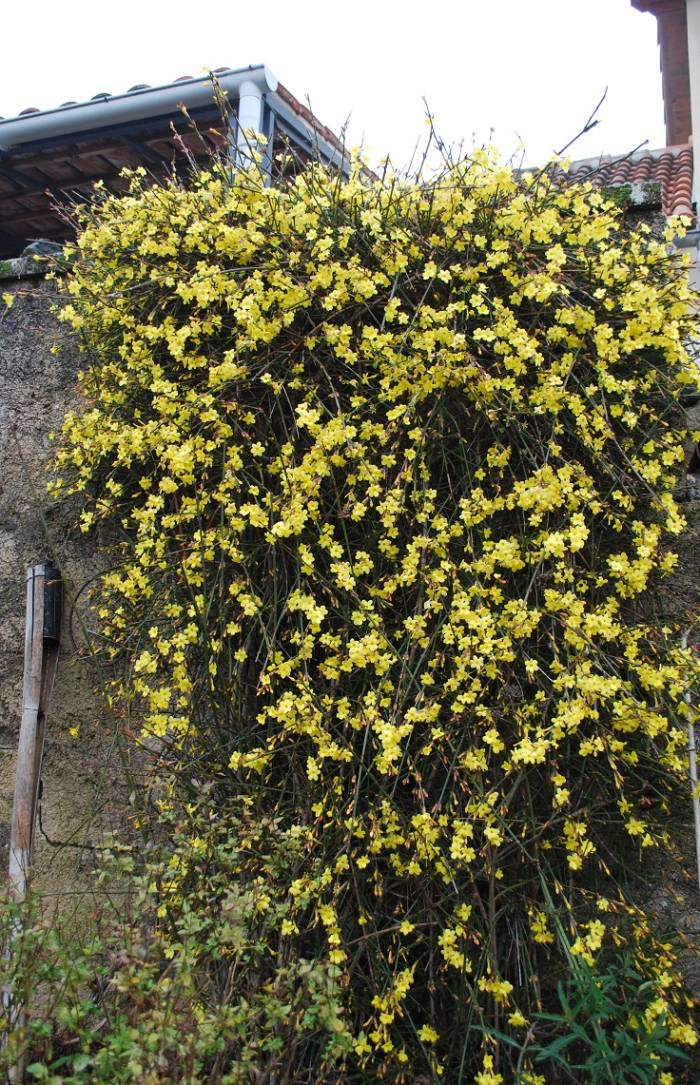
The winter jasmine needs sunny position and can also tolerate partial shade. When planting, avoid the north and the north east aspect, and plant them in a moist and well drained soil. You should water them freely during summer, while watering in winter is mostly not needed, unless it's very dry or the ground is frozen. Prune the winter jasmine in spring, right after the flowering, because it allows them to mature and to flower the next season. The winter jasmine is generally trouble free, but it can happen to suffer from aphids.
Iris
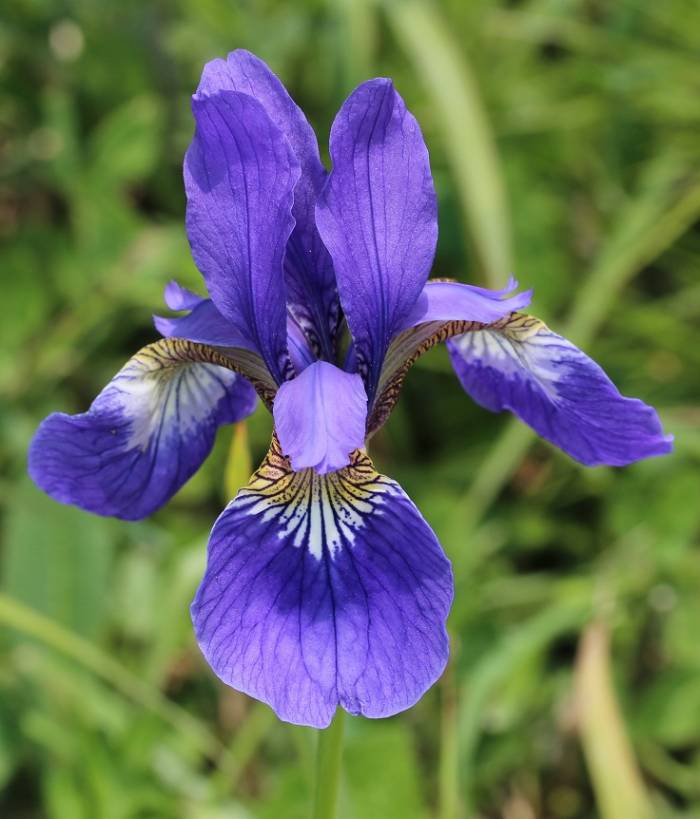
The iris needs to be planted during late summer. It requires sunny location where it can get at least six hours of sunlight during the day, and should be planted in well drained soil that has pH slightly less than 7. The bearded iris needs watering only if it's too dry outside or after the transplanting. When planting more of these pretty flowers, make sure to plant each of them apart, minimum of 16 to 18 inches because it needs good air circulation. The iris attracts butterflies and hummingbirds, which can make your garden as if it belongs to a fairy tale.
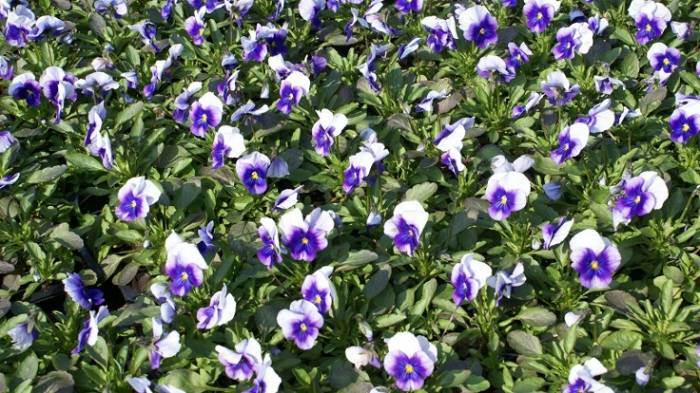
Pansies
These colorful flowers will surely add some color in your garden during winter, especially if it snows! The pansies should be grown from seeds planted in summer in order to have the winter flowering. They need hummus rich, well drained and moist soil, a sunny position and cooler temperatures. When planting pansies, make sure to plant each about 7 to 12 inches apart from others. They need to be watered regularly and in order to help them grow, it's good to use all purpose fertilizer. To encourage growing and blooming, remove the faded and dead flowers.
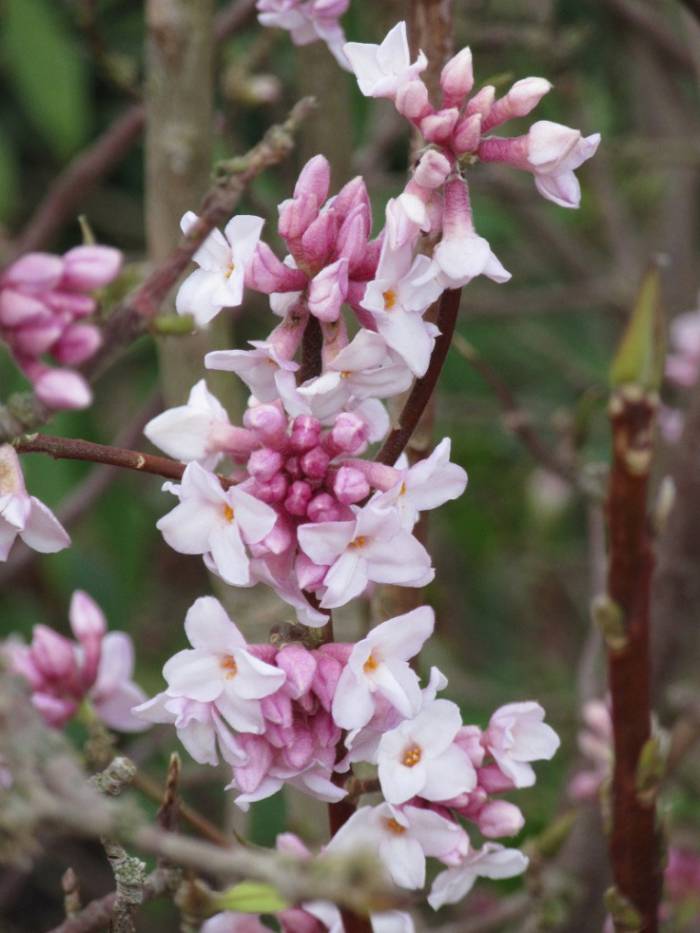
Daphne
The daphne shrubs grow pretty pink and white scented flowers that bloom from winter to early spring. They are known for their slow growth rate and on average they just grow 3 4 feet. Daphne shrubs don't need pruning, unless they're entering the space of other plants. They need sunny locations, or at least a one that's partially sunny, but make sure to pick the right spot because they don't like to be moved. The best way to enjoy th beauty of the daphne is to plant then near a window or pathway and when they start blooming, you'll have an amazing view and floral scent.
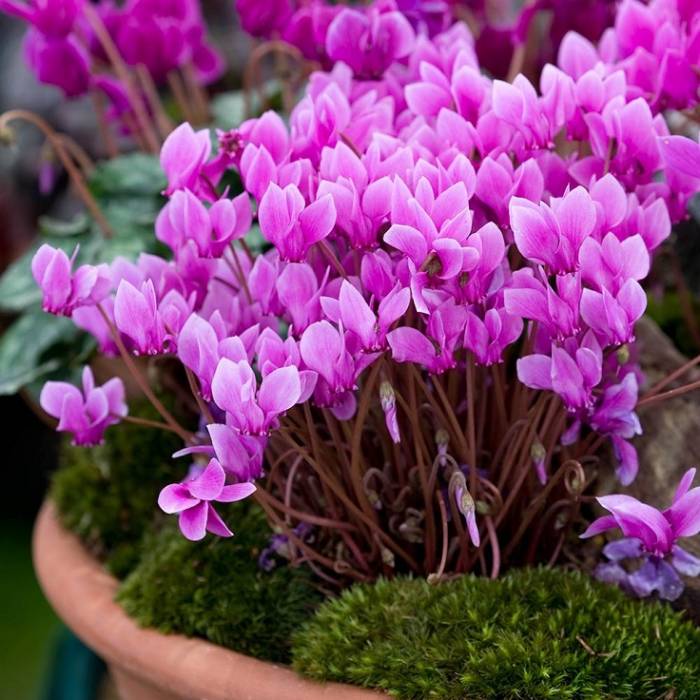
Cyclamen
The cyclamen needs cool and humid environments, so if you keep it as indoor plant make sure to give it the right temperature or it will start to die slowly. It needs a well drained soil and to be regularly water, because it doesn't tolerate under or over watering. They need to be fertilized once every one or two months. Another important thing to know about the cyclamen is that after blooming it enters a dormant state that will make the flower look as if it is dying, but it's actually sleeping. If you take good care of it during the dormant state, it will rebloom again in few months.
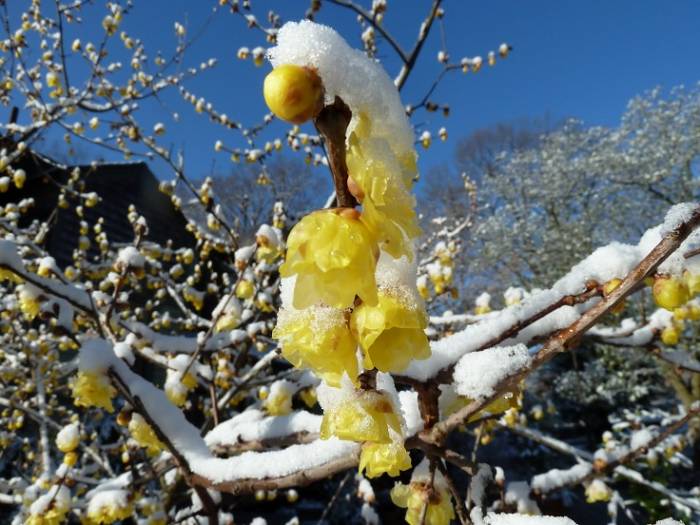
Chimonanthus
Chimonanthus or winter sweet as it is also known, is a deciduous shrub with scented yellow flowers and green leaves that needs a weakly acidic soil to moderately alkaline, well drained soil. It needs a sunny or partially sunny position. The winter sweet flowers bloom from November onward, and will keep their yellowish color and scent all through the winter. It has a tree growing habit and is generally pest and disease free shrub. The easiest way of propagating is layering in September and if you choose to grow it from seeds, it will take you years until you see bloom.
Winter Aconites
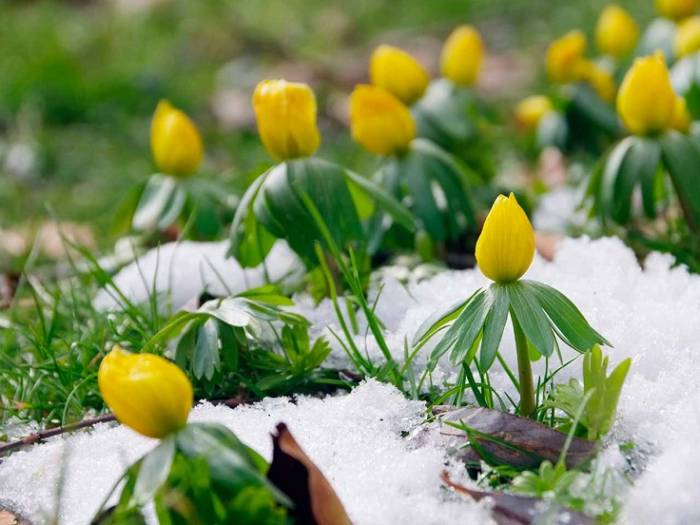
The winter aconite is the ideal choice for covering slopped landscapes or you can use them as edging plant. They don't grow more than 8 inches in height and tend to make a yellow carpet of flowers, which will be such a beautiful contrast compared to the snow. The plant requires hummus rich and well drained soil, and needs a sunny or partially sunny position. Planting the winter aconite should occur no later than September and for the best results you can soak the winter aconite tubers in lukewarm water 24 hours before you plant them.
Pieris Japonica
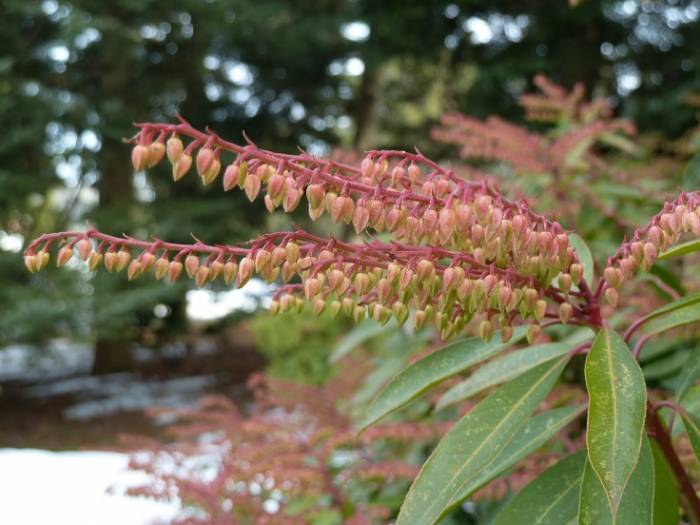
Pieris Japonica is also known as Mountain Fire and is an evergreen shrub with dark green leaves and small pinkish flowers. It needs a moist and well drained soil, and it will grow the best if is is planted in moderately fertile and hummus rich soil. The pieris japonica want a place with partial shade, and full shade if it's exposed to sunlight in the heat of the day. However, it still need morning sun for the best growth. You can propagate by layering or by tip cuttings and make sure to water them regularly.