

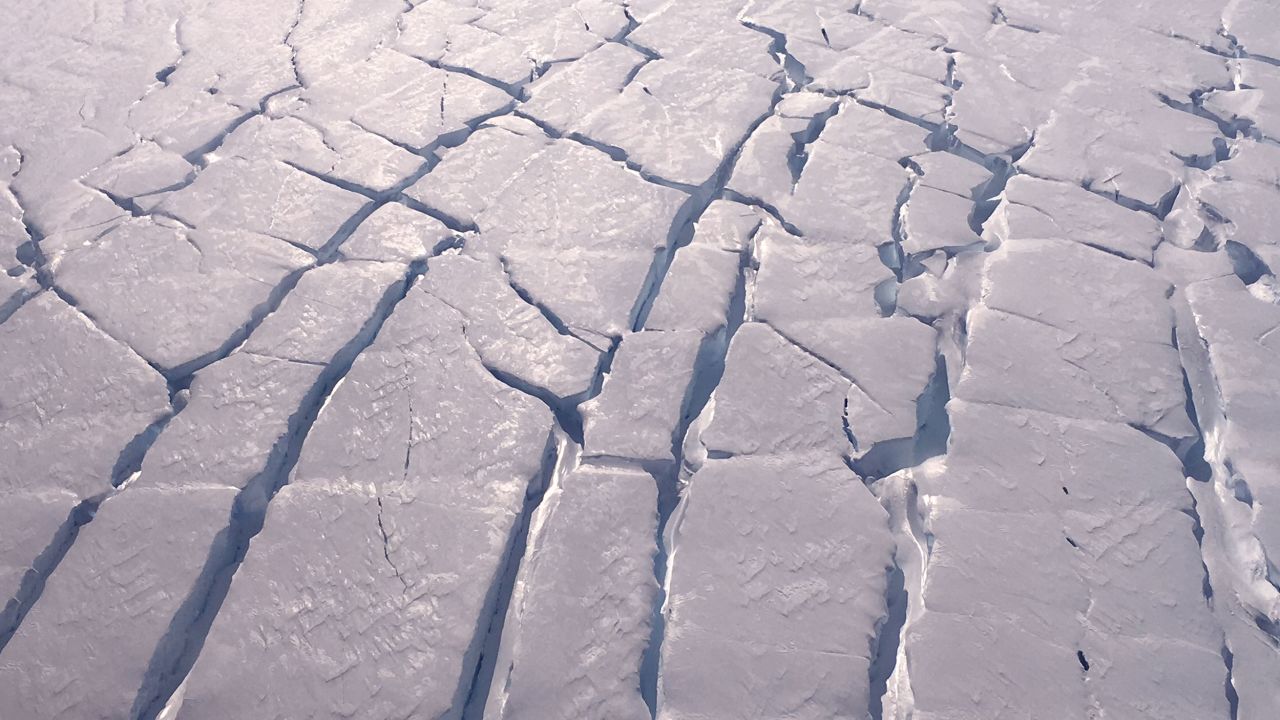
According to new research, the "Doomsday Glacier" in Antarctica, so named because its collapse could result in a catastrophic rise in sea level, is melting quickly and in unexpected ways.
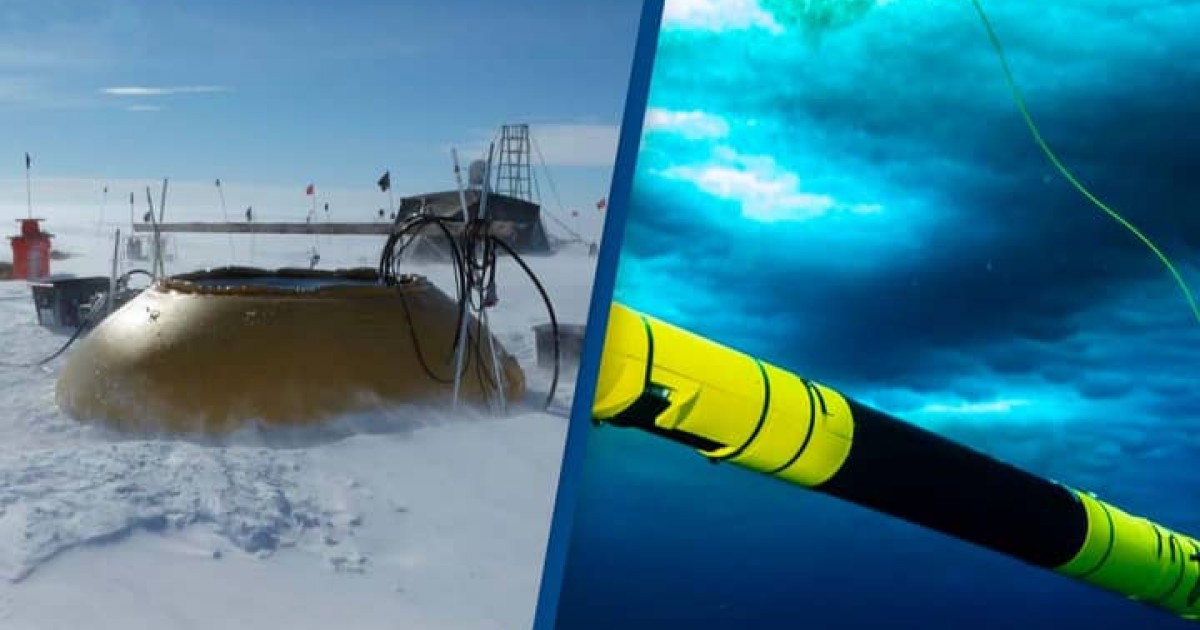
Scientists Alarmed By The Discovery After Sending Robot Under 'Doomsday Glacier'
By
Haider Ali in
Science and Technology
On 21st February 2023
advertisement
The Thwaites Glacier, also known as the "Doomsday Glacier," is one of the largest and most unstable glaciers in Antarctica. It has been a major concern for scientists for many years, as its melting could cause a catastrophic rise in sea levels.
Credit: Icefin/ITGC/Schmidt
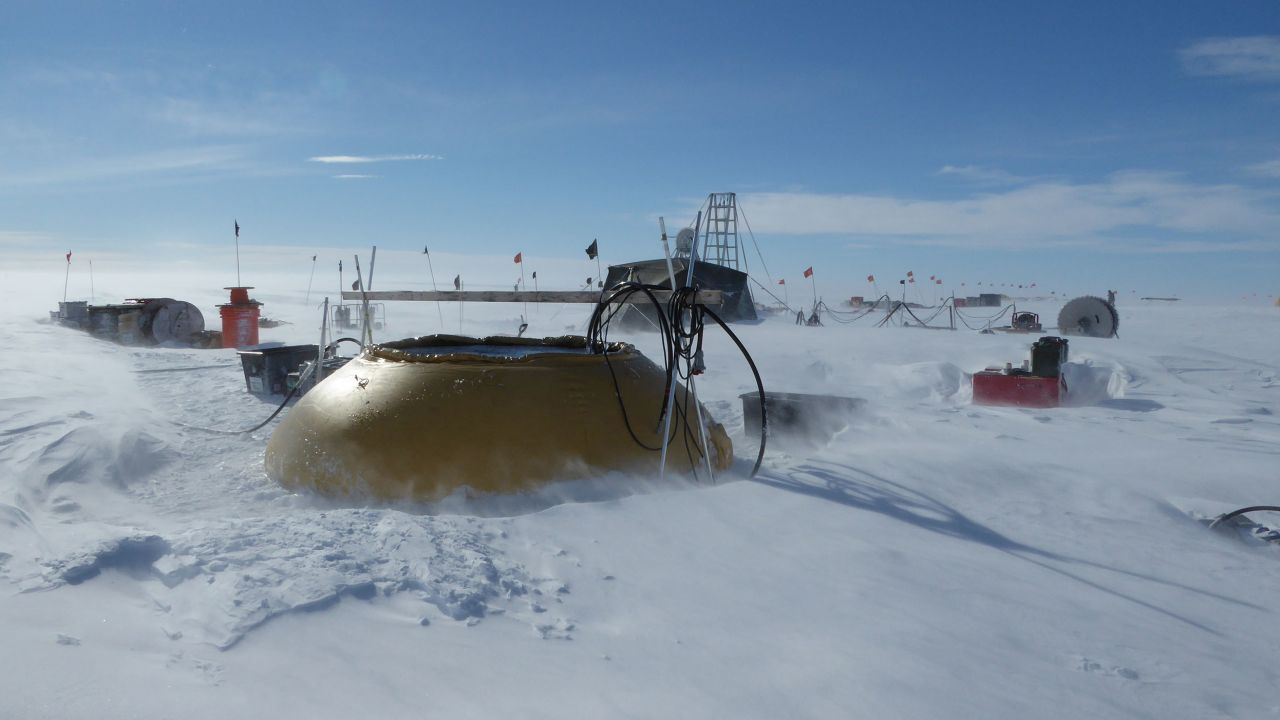
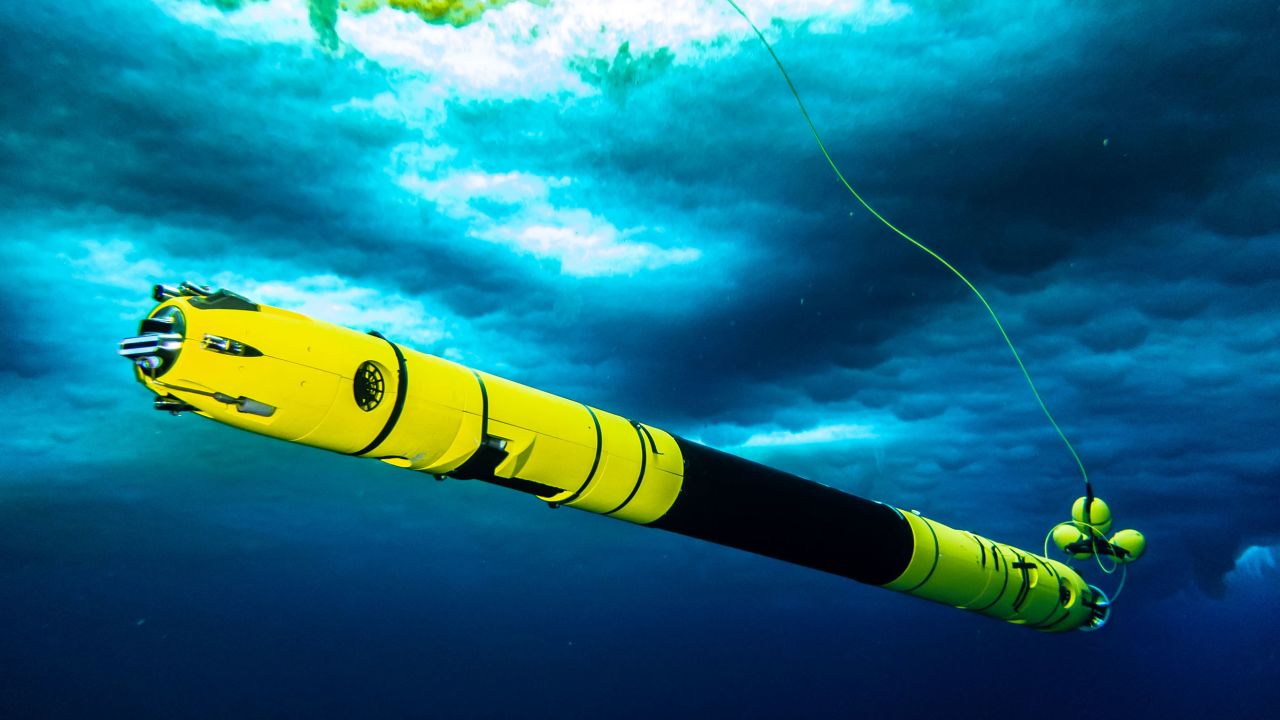
Recently, scientists sent a robot under the glacier to gather data about the melting process. The results of the expedition have left many scientists alarmed and worried about the future of our planet.
Peter Davis/British Antarctic Survey/ITGC
advertisement
The robot, which was designed to withstand extreme conditions, was able to capture images and data from underneath the glacier. The data revealed that the glacier is melting faster than previously thought. The rate of melting is increasing at an alarming rate, which could lead to a rise in sea levels of up to 1.2 meters in the coming years.
Rob Robbins/ITGC
The melting of the Thwaites Glacier is a significant concern because it could destabilize the entire West Antarctic Ice Sheet. The ice sheet contains enough water to raise global sea levels by up to 3 meters.
If the ice sheet were to collapse, it could have catastrophic consequences for the entire planet, leading to flooding and the displacement of millions of people.
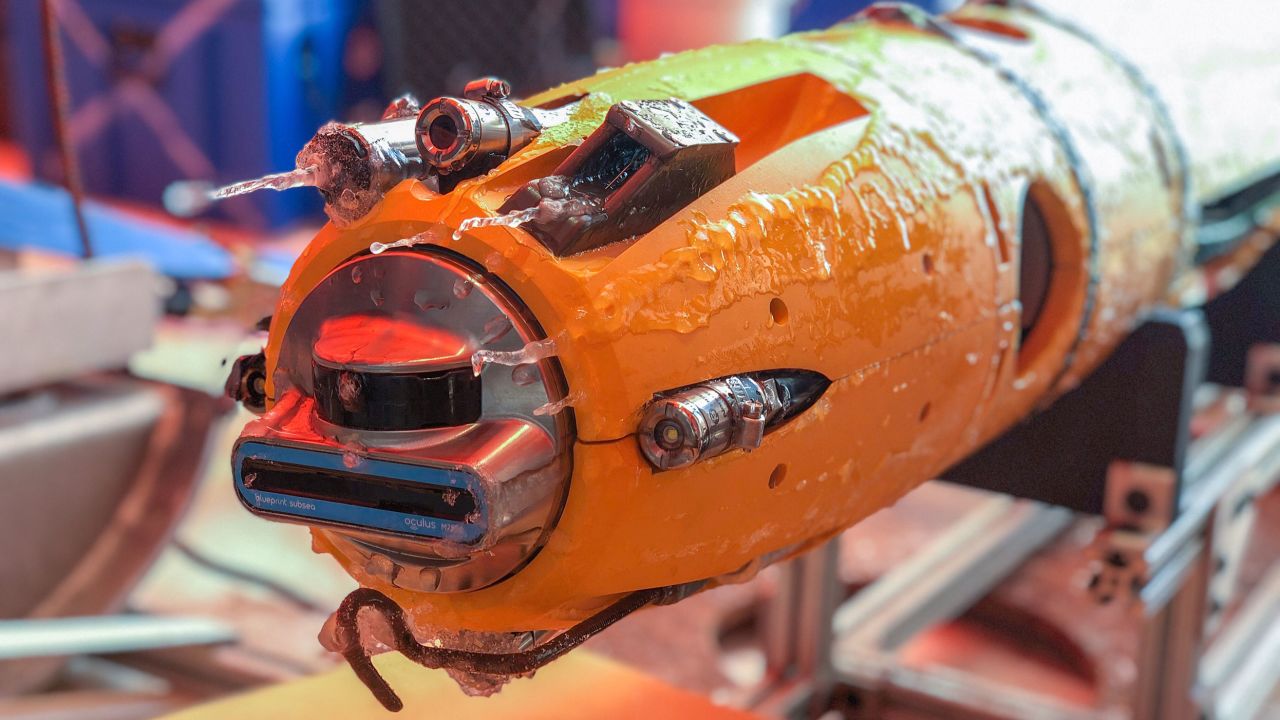
Britney Schmidt/Justin D. Lawrence/ITGC
advertisement
Scientists have been studying the Thwaites Glacier for many years, but this latest discovery has highlighted the urgency of the situation. The melting of the glacier is caused by warm water from the ocean getting underneath the ice and melting it from below. As the ocean warms due to climate change, the rate of melting is increasing.
advertisement
The discovery of the accelerating melting process of the Thwaites Glacier has raised concerns about the future of our planet. The rise in sea levels could have devastating consequences for coastal communities, wildlife, and ecosystems.
advertisement
It could also lead to an increase in extreme weather events, such as floods and storms, which could have severe impacts on human lives.
This latest discovery underscores the need for urgent action to reduce greenhouse gas emissions and slow the rate of global warming.
advertisement
Governments, businesses, and individuals all have a role to play in reducing their carbon footprint and taking steps to mitigate the effects of climate change. The use of renewable energy sources, reducing the use of plastics, and improving energy efficiency are just a few examples of the steps that can be taken.