#1 Baby Pufferfish
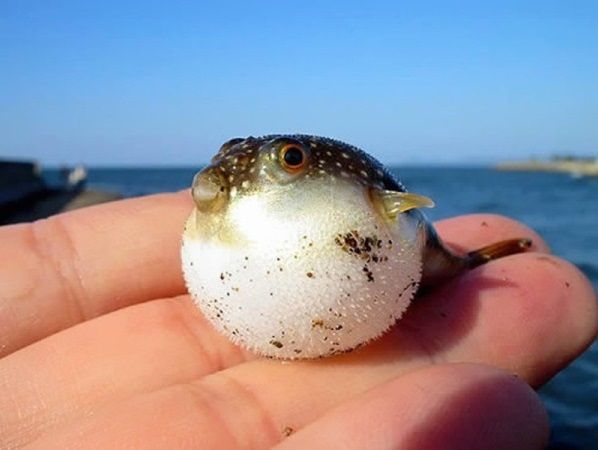
This docile baby is one of the most poisonous creatures in the world. It's not that they'll "bite", they're deadly only if you eat them! The Pufferfish has many names which all describe it's appearance, but in science its species is termed, Tetraodontidae.
What's adorable is the baby looks exactly similar to an adult, just much smaller. Puffers can move their eyes independently. Many change color similar to a chameleon for defensive camouflage. Although they swim very slow, its backup deterrence against a hungry predator is to "puff-up" even larger, making its many skin-spines an unpalatable prickly supper to be avoided!
Some cultures serve up the Pufferfish as a delicacy to eat. Trained chefs carefully remove the toxic inner organs, but if mistakes are made, they're met with dire consequences.
#2 Fennec Desert Fox Pup
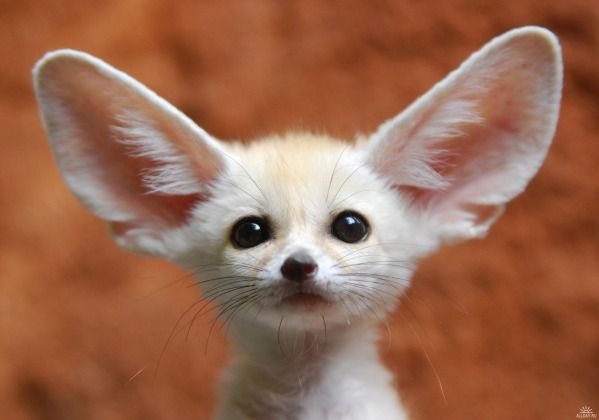
Fennec fox babies are so adorable! Sometimes they're interbreed with domesticated dogs, and we're wondering if that's just what this pup is.
Fennec foxes are desert animals of The Sahara in North Africa. They been in existence for over 800,00 years, so they're more than resourceful in harsh environments. They're social and predominantly monogamous, with the male sharing in the pup rearing.
Their diet consists of mainly insects and they especially enjoy termites, eating approx. 1.15 million each year! The extra large ears amplify sound for locating insects, even those underground. Because of their small size (5-10 lbs), they're hunted by many larger carnivores, but they're fast moving and only come out of their dens after nightfall.
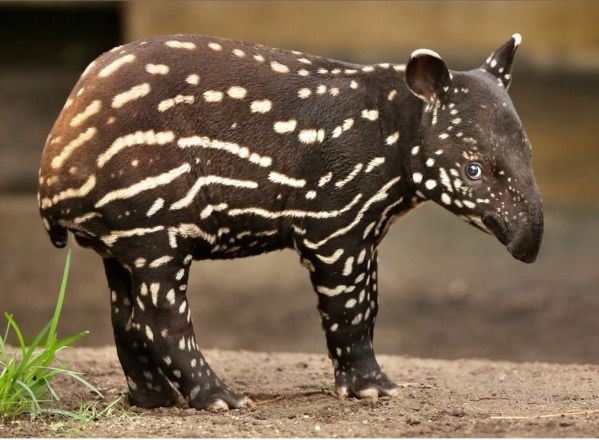
#3 Baby Tapir
Aww this little spotted guy is trying to stare-us-down! Actually, he's not sure whether to run or stay. The tapir's natural home is in the jungles of South America, Central America, and Southeast Asia.
As they grow their spots fade similar to fawns. Adults measure approx. 7 feet long and 3 feet high. Some say they look to be a cross between a wild pig and a hippopotamus.
Like hippos they're good swimmers and the water is their favorite place to be. Additionally, their diet consists of plant-life in and around rivers. They have a shy nature, but have been known to be violent and defensive when nursing babies.
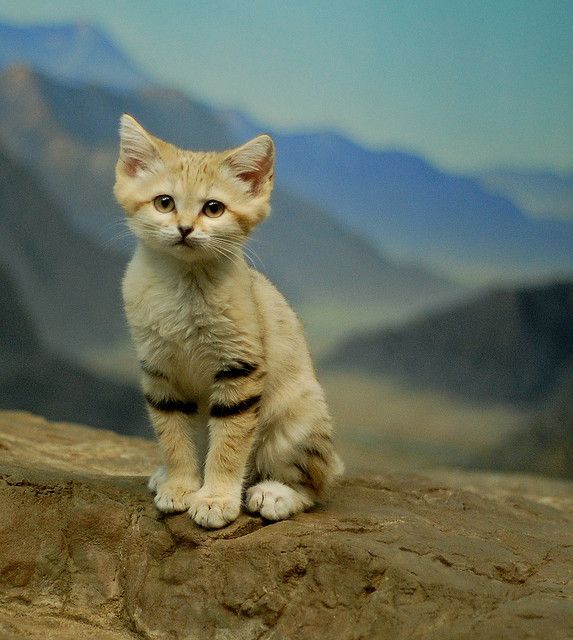
#4 Baby Sand Cat
Don't be fooled by cute overload, the Sand Cat (Felis Margarita) is a little-known species of desert cats. They live in the harshest deserts of Africa and Asia. They're comfortable in environments other wildcats cannot handle, like the Sahara and Arabian deserts as well as those of Iran and Pakistan.
Sand cats look a like domestic cats, but they're larger and thicker, especially around the head. Their ears are wider apart which flattens out when crouching down for the hunt. Fur lines their under-paws and between the toes to protect against the scorching sand.
The most incredible fact is this cat can go for months without drinking water! Oddly, as a wildcat they're not afraid of humans. This cat is simply fearless and definitely impressive.
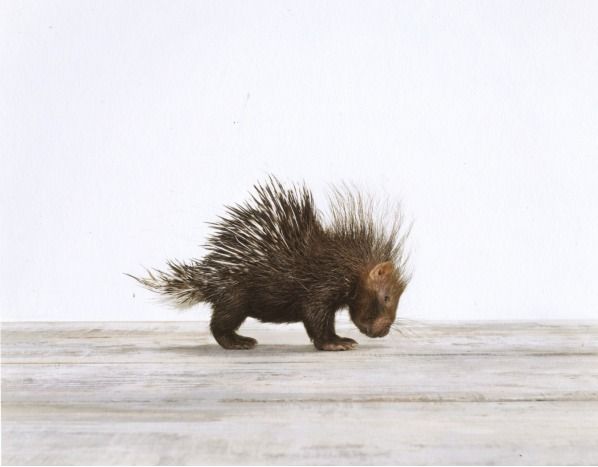
#5 Baby Porcupine
It's so adorable, we can barely hold back the urge to touch! Caution, this prickly baby is equipped to defend. When babies are born their quills are soft but within an hour they harden like needles!
If you're hiking in a forest (Americas, Southern Asia, and Africa), know they like to be near trees. Although they're peaceful critters, if shocked or cornered they can pose a painful threat.
Here's the scenario: Porcupine will make loud chattering noises as a warning. If this doesn't work, they tense-up, tuck the head down and swing the tail. Quills shoot out and if lodged under the target's skin, they will swell making them hard and painful to remove!
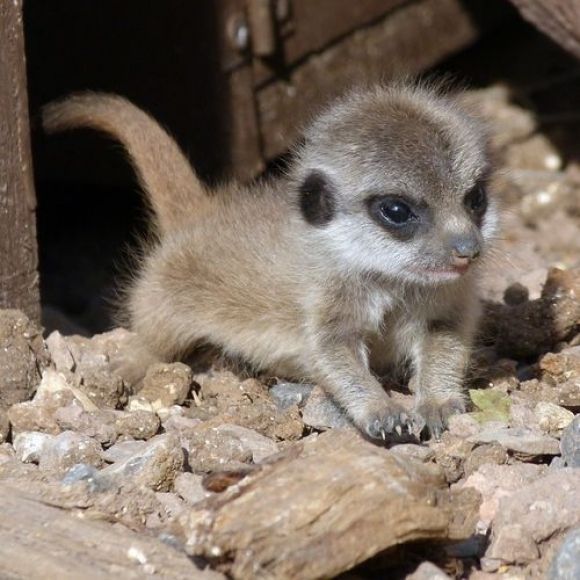
#6 Baby Meerkat
This cute little baby has the Meerkat's "curiosity" trait in its eyes. Did you see, David Attenborough's 'Meerkat Documentaries'? Its enduring human-like drama is something you'll not forget!
Meerkats are desert creatures, found in Botswana, southwestern Angola, and South Africa. They live in clan colonies, that can grow as large as 50 members! Their homes are burrows underground, which they leave only in the daytime to forage for food.
Perhaps what adds to their "humanness" is their incredible social behavior. Also 'altruism" is big with the Meerkats as they will stand on hind feet, observing the environment for danger guarding another while it's occupied.
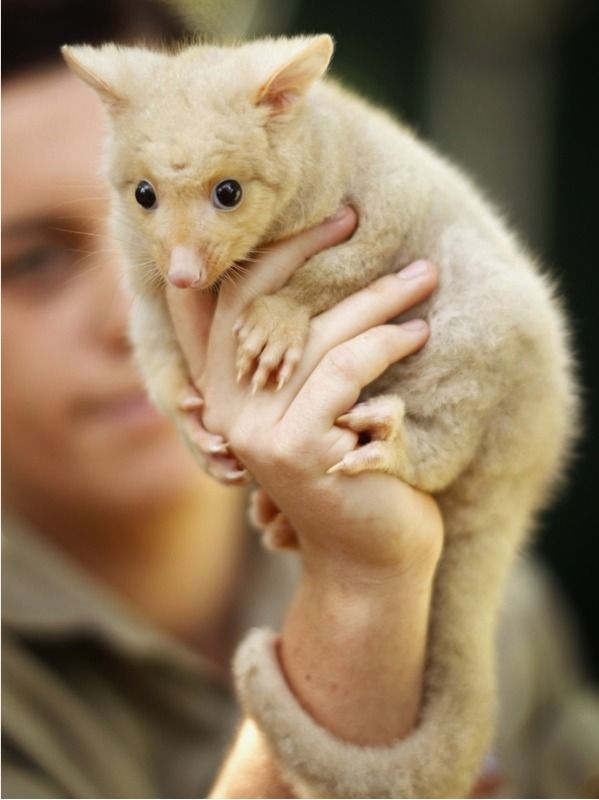
#7 Baby Golden Brushtail Possum
Tasmania has some of the rarest animals and the Golden Brushtail Possum is one. This cutie can be seen at the Wild Life Sydney Zoo in Darling Harbour. Although they are not albino, their fair-colored fur and pink tinge around dark eyes are due to the low melanin in their skin.
Unfortunately what makes them so special, also makes them an easy target for predators to see. Their fluffy coloring prevents them from hiding in foliage, therefore they're only found in small areas that contain fewer wild predators. Like all possums, the Golden Brushtail is traditionally nocturnal. It forages mainly for vegetation like eucalyptus leaves, but also includes in its diet small mammals like rats.
Possums are hunted for their fur in many areas of Australia. Luckily this little baby was born at the zoo, as part of a breeding program.
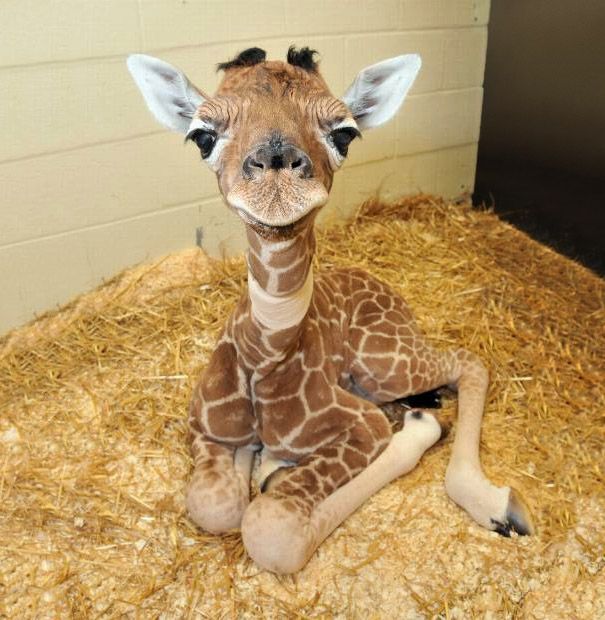
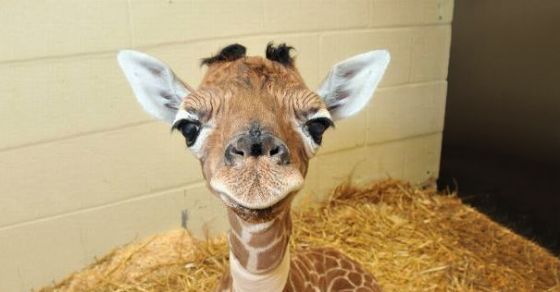
#8 Baby Giraffe
The giraffe is the tallest mammal in the world, with even new-born babies being taller than most humans. Baby Giraffes can stand within half an hour and after only 10 hours can actually run alongside their family.
When baby giraffes are born, the animals average 6 feet in length and can weigh anywhere from 100 to 150 lbs. Baby giraffes are considered fully mature, or adults, around the time they turn 4 years old.
Baby giraffes are cared for primarily by the mother, who normally gives birth to a single calf. So the mother giraffe usually has only one baby to take care of at a time. The mother feeds the baby, cleans the baby and teaches the baby how to fend for itself. If a mother giraffe leaves for any reason, baby giraffes will wait in the same location until she returns.