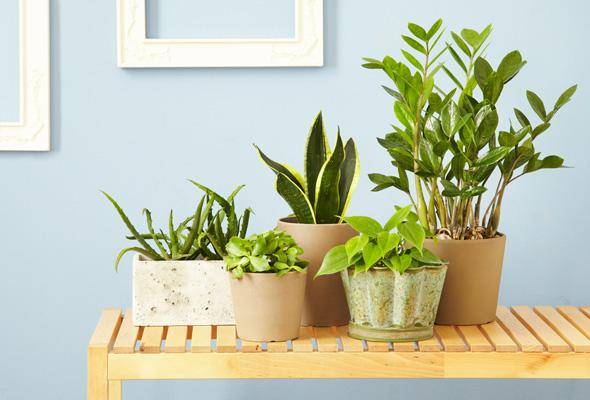
Houseplants don’t just look nice. They’re also good for you, both physically and emotionally. In this article, you’ll learn benefits of having a plant at home. Find the right plants for your particular space and the amount of time you have for them. Then, take them home and enjoy the following benefits.
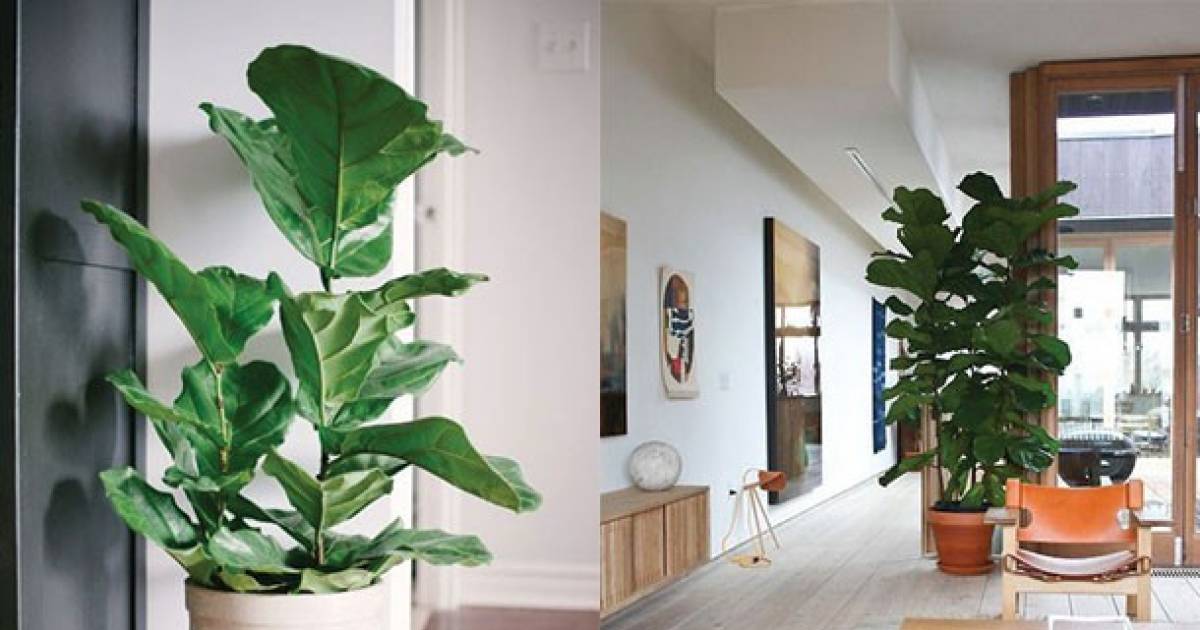
The Benefits Of Having A Plant At Home
By
Editorial Staff in
Health and Fitness
On 26th November 2017
advertisement
#1 Reduce noise levels
Plants have long been used to reduce noise from busy roads. More recently, research has shown another benefit: interior plants can help to reduce background noise levels inside buildings, too.
Studies have shown that plants and their leaves absorb, diffract or reflect background noise, thereby making the environment more comfortable for the occupants. Certain plants are particularly good at absorbing high frequencies. Plants absorb sound best in acoustically live spaces, such as those that feature hard surfaces. Learn more about the benefits of interior landscaping.

#2 Boost your mood
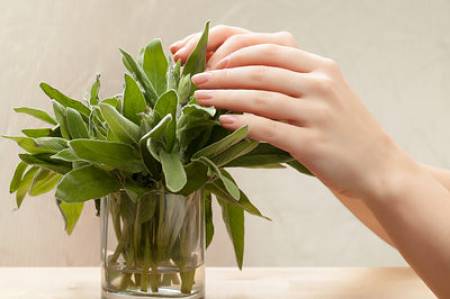
Plants can also teach us a thing or two about empathy. People who spend their time caring for nature are more likely to care for others. Caring for plants can help you increase compassion and improve your relationships. Touching soft and smooth plants may also make you feel calmer.

advertisement
#3 They give an assist in breathing
Inhaling brings oxygen into the body, exhaling releases carbon dioxide. During photosynthesis, plants do the opposite, of sorts: They absorb carbon dioxide and release oxygen, making plants and people great partners when it comes to gasses. Plants help to increase oxygen levels, and our bodies appreciate that.
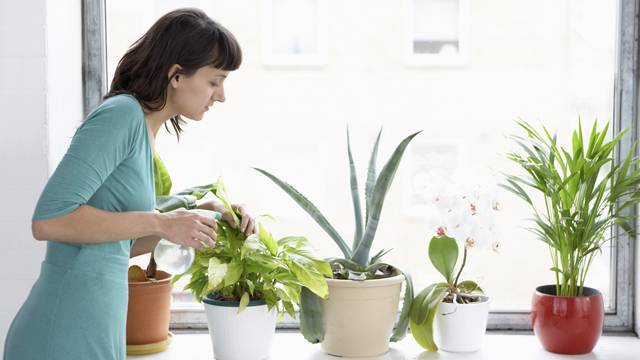
But here’s something to know: When photosynthesis stops at night, most plants switch things up and absorb oxygen and release carbon dioxide. However, a few special plants – like orchids, succulents and epiphytic bromeliads – flip that script and take in carbon dioxide and release oxygen. Meaning, use these plants in bedrooms to keep the oxygen flowing at night.
#4 Get a better night’s sleep
Gerbera daisies are known to produce ample sources of oxygen at night. If you want to sleep well at night, consider filling a vase near your bedside with Gerbera daisies and enjoy more oxygen rich air while you sleep.

advertisement
#5 Sharpening Focus
A study found that students demonstrate 70 percent greater attentiveness when they’re taught in rooms containing plants. In the same study, attendance was also higher for lectures given in classrooms with plants.

advertisement
#6 Natural scents
Use fragrant plants such as dwarf kaffir lime trees (Citrus hystrix) to fill your home with a wonderful fresh smell instead of using artificial air fresheners. It’s a natural and chemical-free way to freshen your home, not to mention being handy for cooking.

advertisement
#7 Can help fight colds
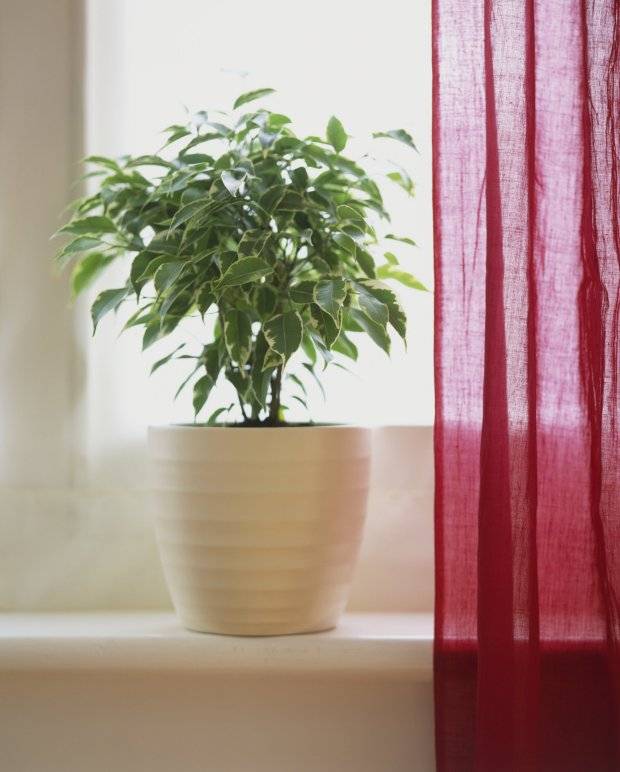
Indoor plants have been shown to reduce cold-related illnesses by more than 30% (wow!) mainly due to their effect of increasing humidity levels and decreasing dust.
advertisement
#8 Source of positive energy
Some schools of philosophic thought, like feng shui, claim that certain plants attract positive energy.
So, make your home a magnet for good energy with the following plants:
*Lavender: Ideal for people who get insomnia, lavender encourages balanced energy and a sense of well-being.
*Ferns: They provide protection and increase your self-esteem. Keep one in the house if you’re going through a breakup.
*Chrysanthemum: This plant gives off a sense of well-being to everybody in the house.
advertisement
#9 Natural humidifiers
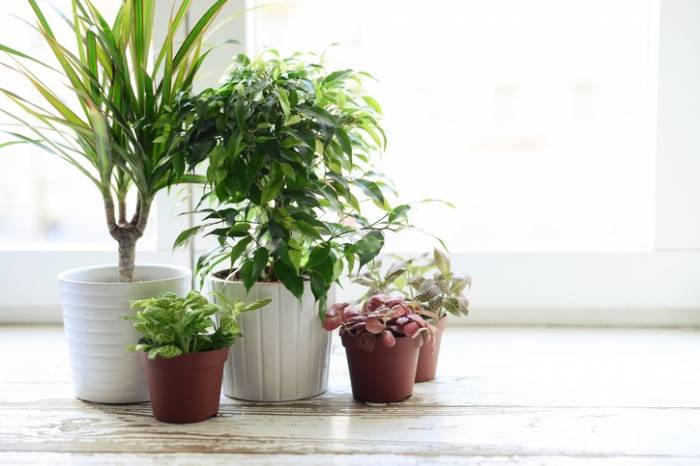
Save some money and instead of buying a humidifier machine, just bring in a plant or two!
advertisement
#10 Improves your mental health
Plants are living things and require some work to keep them growing. Many people report that they feel a sense of purpose and well being by caring for a living thing. It’s especially therapeutic for individuals who may suffer from depression, or who are lonely to cultivate house plants.