The Best VR Headsets: Changing Your World Virtually
Oculus Rift
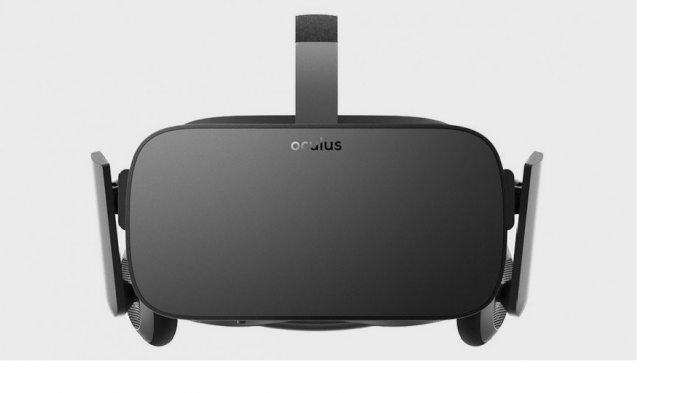
Oculus Rift is the virtual reality headset that started the current hysteria. Developed by Palmer Luckey, funded via Kickstarter and snapped up by Facebook for a cool $2 billion, the Rift plugs into your computer's DVI and USB ports and tracks your head movements to provide 3D imagery on its stereo screens.
It's available to order now, with shipping expected in March 2016. The Oculus Touch controllers have been delayed until later in the year, but you will get an Xbox One control pad in the box.
For $599,visit site: oculus.com
The HTC Vive
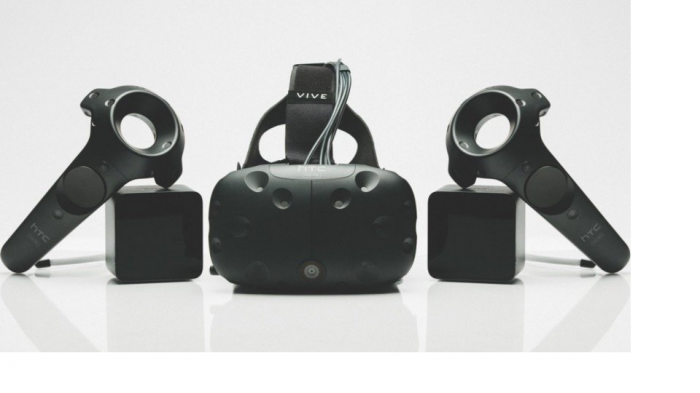
HTC unveiled the HTC Vive, a Steam VR headset made in collaboration with Valve, at MWC 2015 and it's due to hit the shops in April.
The HTC Vive plugs into PCs and work with Valve's mammoth gaming ecosystem. It packs in 70 sensors plus offers 360 degree head-tracking as well as a 90Hz refresh rate; the stat that's key to keeping down latency. Elsewhere, there's an accompanying "context aware controller", so you can shoot, move and interact with elements in the virtual world.
For $799,visit site htcvr.com
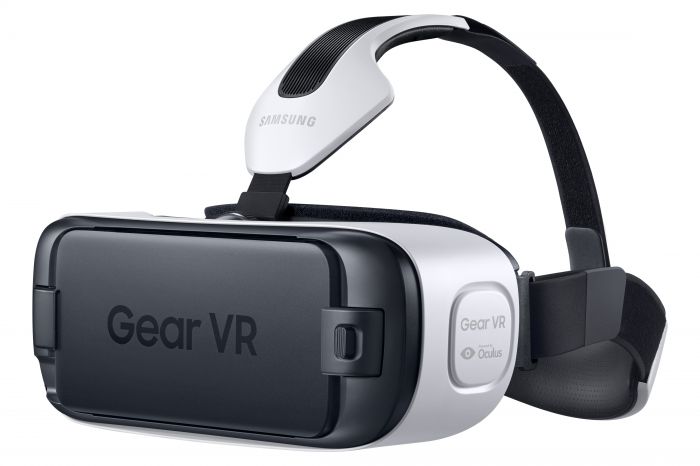
Samsung Gear VR
Samsung's entry into VR has delivered one of the best all-round and consumer-friendly headsets on the market, albeit with a restrictive walled garden that we're at least becoming accustomed to.
The Gear VR, now available officially to consumers, is an Oculus Rift-powered device that uses a Samsung Galaxy smartphone as its processor and display. The Galaxy handset simply slots in front of the lenses, into a Micro USB dock, and uses its Super AMOLED display as your screen.
It's already added a host of games plus a whole marketplace of VR video content called Milk VR. And if you want to try it out, just head to Samsung stores, museums and even hotel rooms for a taster.
More versions of the VR are now out by Samsung
For $99,visit site: samsung.com
MICROSOFT HOLOLENS
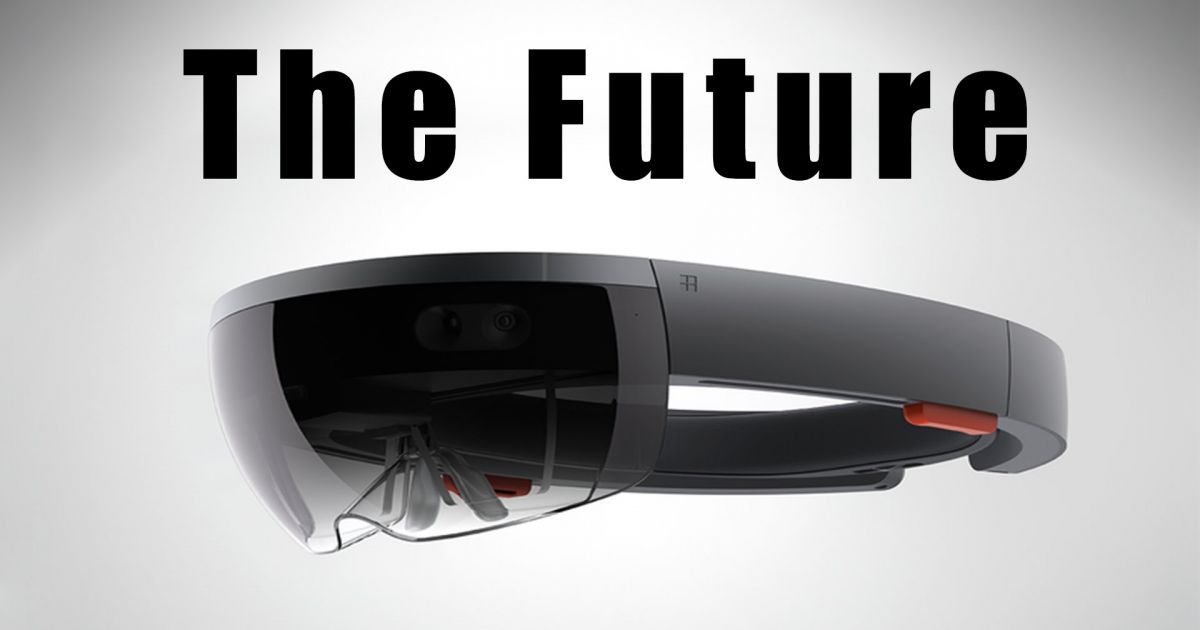
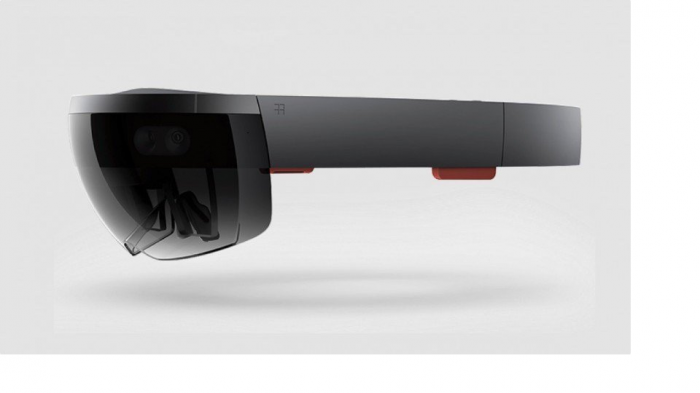
The device that took everyone off guard, Microsoft HoloLens is half virtual and half augmented reality. The device merges real-world elements with virtual 'holographic' images, meaning you can look at your Minecraft world on your kitchen table, or walk around the surface of Mars in your living room.
Using Kinect-style tech to recognise gestures and voice commands, the headset has a 120-degree field of vision on both axes, and is capable of 'high definition' visuals. What's more, there's no connection to a PC a full Windows 10 system is built into the headset and runs off a battery. No, we can't wait to see how long that lasts either.
The Development Edition is available with a price tag of $3,000.
For $3,000,visit site microsoft.com
FOVE VR
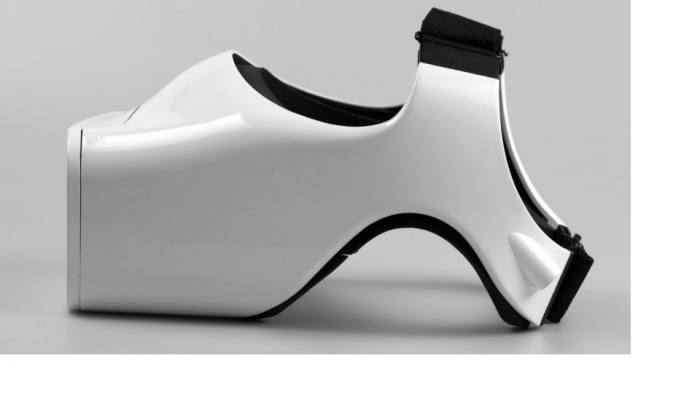
FOVE VR differs from the likes of Oculus Rift and PlayStation VR because it offers interactive eye-tracking. Inside the headset is an infrared sensor that monitors the wearer's eyes; offering both a new control method and an edge on its competitors when it comes to realism.
With FOVE, simulated depth-of-field is possible, due to the system knowing exactly what you're looking at, and as a result, the virtual should appear more real.
FOVE makes use of the Wear VR software platform and is compatible with Unity, Unreal, and Cryengine game engines.
From $349, visit site : getfove.com
Zeiss VR One
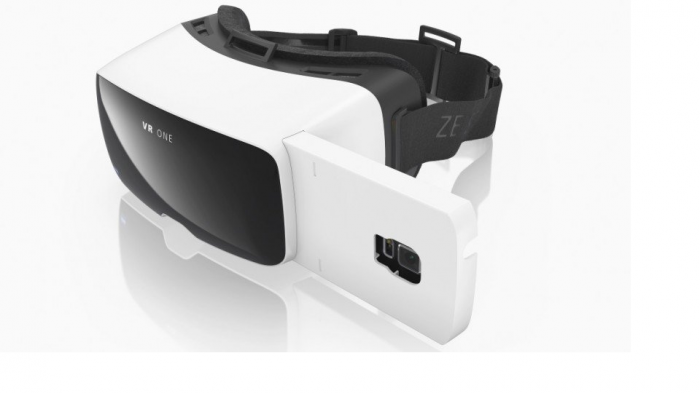
Like the Samsung Gear VR, the hardware power for this Zeiss branded headset comes from your smartphone. Unlike Sammy's effort, however, you're not tied to just one mobile with the Zeiss VR One; it will play ball with any iOS or Android handset between 4.7 and 5.2 inches.
It packs a media player for the likes of pictures and YouTube videos and an AR app for augmented experiences, while the open source Unity3D SDK (iOS and Android) means there's plenty of scope for development.
For $120,visit site: zeissvrone.tumblr.com
Avegant Glyph
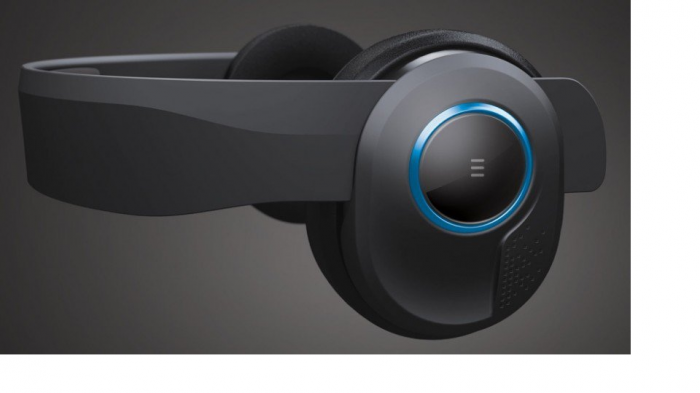
The majority of these headsets are large and heavy, but Avegant's Glyph is both sleeker and smaller than the pack. Its svelte size is due to its display technology: rather than using conventional smartphone-like screens to present imagery, it uses an array of micro mirrors to reflect an image directly into your retina.
The Glyph can be worn like a pair of headphones until you pull the screen down over your eyes, where you can enjoy 1280 x 720 for each eyeball. And while it's limited to a 45 degree field of view, the micro mirror array is said to reduce motion sickness and eye fatigue.
Well it has a $699 high price tag,visit site: avegant.com
Razer's OSVR
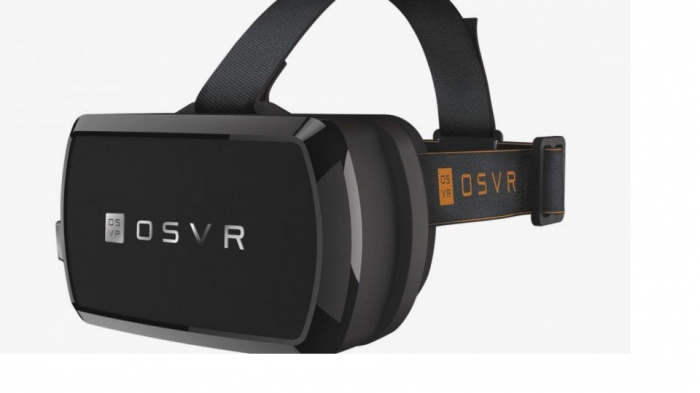
Razer's OSVR isn't a rival to the likes of Oculus Rift, PlayStation VR and Samsung Gear VR. Instead, it's intended to make life easier for developers to make applications for VR hardware, without technical (software and hardware) limitations getting in their way.
Open source is the big buzzword, breaking down the limitations that hinder development even on Oculus Rift. We have already seen plenty of third parties getting involved to help develop new features, including gesture tracking with a Leap Motion faceplate.
Previously on sale to developers, the general public can now order the dev kitdirect through Razer, although the company is keen to stress that it's still not a consumer product and, as such, only has a 30 day warranty.
For $299.99,visit site: razerzone.com
Google Cardboard
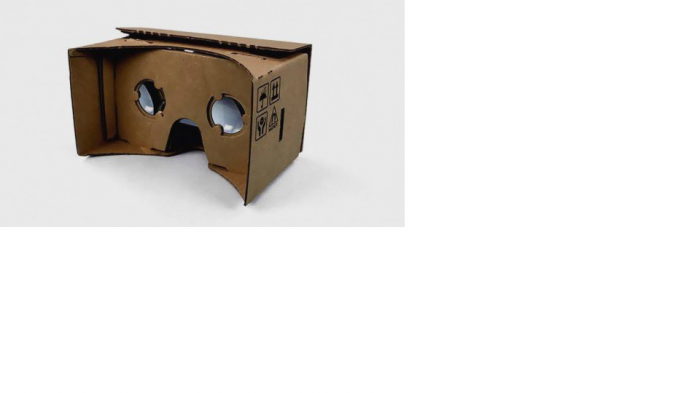
Google announced its Cardboard virtual reality headset at I/O 2014 and unveiled version 2 at the 2015 conference. Popping a smartphone into a cardboard container and then strapping it to your head may sound like a joke, but it actually works and it could become a low-cost way to experience virtual reality.
After all, your smartphone contains all the necessary gyroscopic sensors and positioning systems to accurately track your head movements. Related is Durovis' Dive, which is essentially the same thing made of higher quality and more sweat-resistant materials.
For $29.95,visit site: dodocase.com
Freefly VR headset
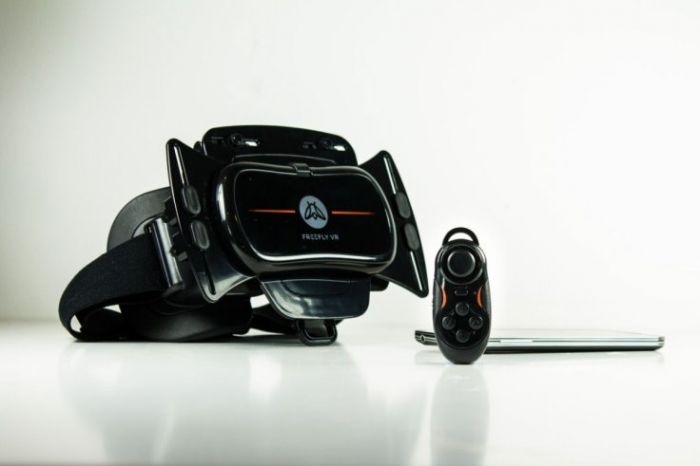
Freefly's VR headset looks dorkier than most, thanks to those 'wings', but who cares? It's now compatible with the 200+ Google Cardboard apps, plus it rocks 42mm lenses and a 120-degree field of view while faux leather helps to keep things comfortable. It fits any smartphone with a screen between 4.7in and 6.1in, which is admittedly less than an Archos headset but still covers most flagships in 2015.
As well as featuring head-tracking via your phone's accelerometer, one point of difference over the cheapest options is that Freefly comes with an odd little controller, named Glide, that you hold in one hand. It saves you the cost of buying a Bluetooth peripheral, though we've got to say we prefer a two-handed controller for gaming.
Well it is available at $79,visit site: freeflyvr.com