

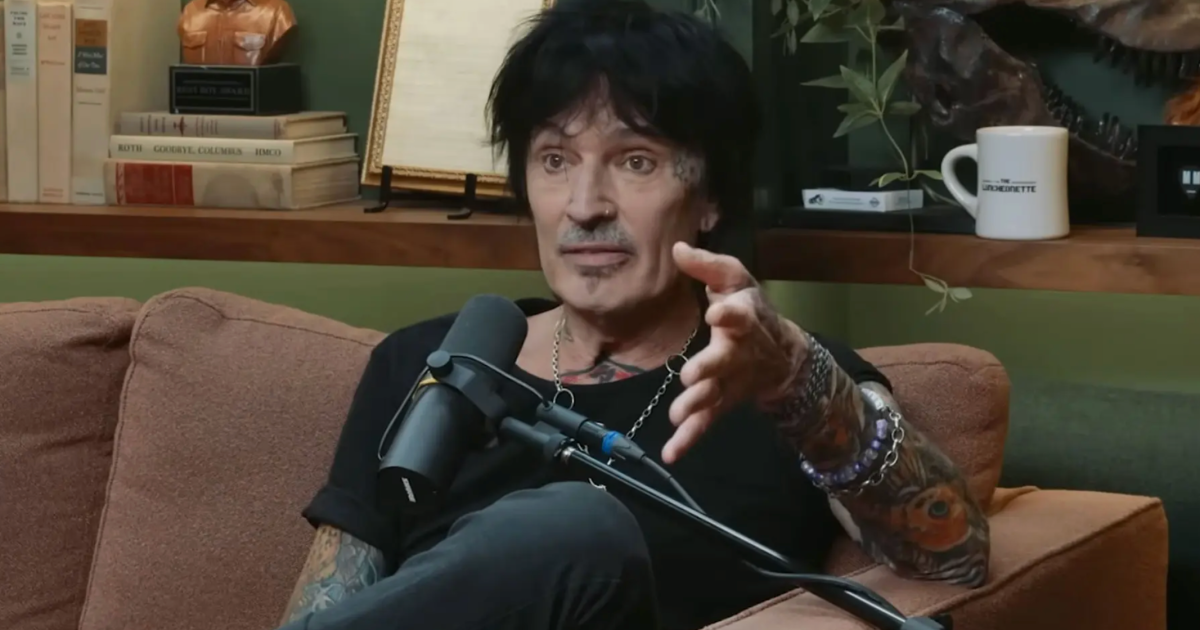
The rock star described decades of relapse, rehab, and a frightening moment involving bandmate Nikki Sixx
advertisement
At one of the darkest points in his addiction battle, Mötley Crüe drummer Tommy Lee says he and bassist Nikki Sixx injected Jack Daniel's whiskey directly into their veins.
Lee became a major rock star during the 1980s as Mötley Crüe built a huge following. The band's music made its members famous, while their heavy drinking, drug use, and wild behavior away from the stage became part of their public image.
Lee and Sixx were known as the 'Terror Twins' because they often took their partying further than the people around them. Their friendship involved huge amounts of alcohol and drugs, and Lee now looks back on that period as a time when neither man seemed able to recognize a safe limit.
By 1989, the situation had become serious enough for all four members of Mötley Crüe to enter rehab. Lee, Sixx, Vince Neil, and Mick Mars each needed help with addictions that had taken over their lives.
Lee revisited that period during a recent appearance on Armchair Expert With Dax Shepard. Rather than presenting the band's excess as a funny piece of rock history, he described how close they believed they were to losing someone.
"In 1989, we all decided we needed to go to rehab or someone was going to die," he said.
advertisement
"We were zombies and people weren't waking up. We were like someone's going to die soon."
Rehab did not bring a permanent end to Lee's substance use. He has spent decades moving through periods of sobriety and relapse, with each return to alcohol or drugs putting him back into a cycle he already knew could become dangerous.
When asked about the longest period he had managed to remain sober, the 63-year-old admitted: "I think three years is the longest I've done,"

Tommy Lee has opened up about his addiction struggles
HELLE ARENSBAK/Ritzau Scanpix/AFP via Getty Images
Why addiction may continue after someone enters rehab
Going to rehab once does not guarantee that a person will never drink or use drugs again. The National Institute on Alcohol Abuse and Alcoholism says relapse is common during recovery and may happen during stress or after exposure to people, places, and situations linked to past drinking.
A relapse does not mean every earlier period of sobriety was worthless. It can show that a treatment plan needs to change, with options such as counseling, medication, medical care, and peer support helping people manage triggers and continue working toward recovery.
Alcohol problems also do not always look as extreme as Lee's account. Some people continue working, caring for family, and managing daily responsibilities while hiding their dependence, which is why the warning signs of high-functioning alcoholism can be easy for others to miss.
advertisement
Lee said his own excitement about reaching a sobriety milestone could become the reason he returned to drinking or drugs. He explained: "I get so excited that I'm like, 'Oh my god, dude, I've been sober for a year,' and I celebrate. That's the f***ing problem."
One memory from his time with Sixx remains especially disturbing. Lee said the two musicians had been using heroin during an early-morning binge when they realized they had finished their supply.
Instead of stopping, they filled a bottle cap with neat Jack Daniel's and drew the whiskey into syringes. "[We] filled up the cap with Jack and then pulled a couple syringes, and were shooting Jack Daniel's," he recounted.
advertisement
The decision forced Lee to confront how far their addiction had taken them. They had a bottle of alcohol that could be consumed normally, yet both men were so focused on recreating the effect of heroin that they chose to inject it instead. "It was at that moment where I went, 'Okay, what is happening? We could just drink this, but we're shooting it. This is f***ing wrong. And somebody's going to die."
Lee said the whiskey produced a taste sensation as it entered his bloodstream. He compared it with an effect he had experienced after injecting heroin.
"You could taste it, like you taste heroin," he said.
advertisement
Why injecting liquor is a medical emergency
Whiskey is made to be consumed as a drink, not injected into a vein. Putting it directly into the bloodstream bypasses the normal route through the stomach and intestines, making the amount reaching the blood difficult to control. The liquid is also not prepared as a sterile medical injection.
The NIAAA warns that an alcohol overdose can shut down areas of the brain that control breathing, heart rate, and body temperature. Warning signs include confusion, vomiting, seizures, slow or irregular breathing, difficulty staying conscious, and an inability to wake up.
Using syringes to inject nonsterile substances adds further danger. CDC injection-safety guidance warns that unsafe injections can spread bloodborne viruses and cause serious bacterial or fungal infections. Anyone who has injected liquor or another substance not designed for intravenous use needs urgent medical help, even if symptoms have not appeared yet.
advertisement
Lee has also spoken about how heavily he once drank. During a 2023 appearance on Bill Maher's Club Random podcast, he claimed that his alcohol use reached 'two gallons of vodka' each day at the height of his addiction.
Explaining why alcohol had such a strong pull on him, Lee said: "Alcohol is a crazy one because it's easy to fall in love with. The way it makes you feel, the way it makes you relax. "
"And then all of a sudden you're like… I'm drinking two gallons of vodka a day. Two gallons a day. I swear to you, dude. I swear to God. Gallons. The big handle. Two."
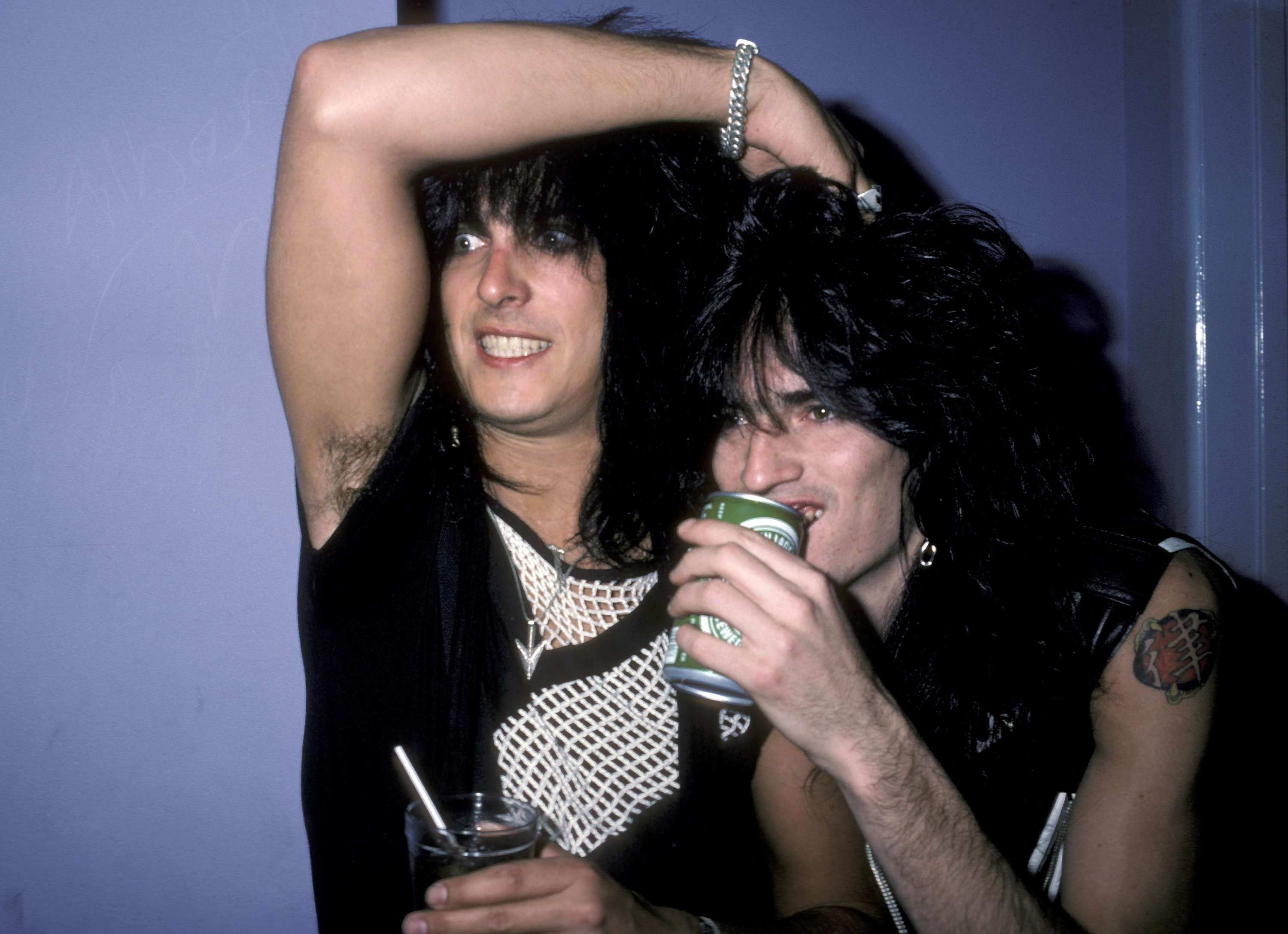
Lee said he and bandmate Nikki Sixx once injected Jack Daniels
Ron Galella, Ltd./Ron Galella Collection via Getty Images
advertisement
What long-term heavy drinking can do to the body
Alcohol affects far more than the liver. Heavy use can damage the brain, heart, pancreas, digestive system, and immune system, while also increasing the risk of several cancers and making injuries more likely.
Drinking a large amount in a short time can cause an overdose, but years of heavy use can create a different set of problems. Tolerance may rise, meaning a person needs more alcohol to feel the same effect, while stopping without medical support can trigger dangerous withdrawal in someone who has become physically dependent.
Lee's claim about drinking two gallons of vodka a day describes an extreme level of use. It should not be treated as a challenge or a sign that another person can safely consume anything close to that amount simply because he survived it.
advertisement
Maher asked Lee how long the period of drinking at that level had continued. Lee did not provide an exact timeline, but admitted that it had lasted for 'a long time'.
His first trip to rehab came with the other members of Mötley Crüe in the late 1980s. Since then, he has returned for treatment several times, with his most recent reported stay taking place in 2019.
During the 2023 Club Random interview, Lee said he had reached one year of sobriety and intended to protect it. The milestone carried extra weight because he had already described how celebrating earlier periods of sobriety had sometimes led him back to drinking.
advertisement
Recovery can require more than willpower
Alcohol use disorder is a medical condition, not a simple lack of discipline. Long-term alcohol misuse can change how the brain responds to stress, reward, and cravings, which helps explain why someone may return to drinking despite knowing the harm it has caused.
Treatment can include behavioral therapy, medication, support groups, and regular follow-up with a health professional. The right plan depends on the person's drinking history, physical health, mental health, and whether stopping alcohol could trigger withdrawal.
People who have been drinking heavily for a long period should not assume they can always stop without medical advice. Severe withdrawal can become life-threatening, so professional support may be needed to reduce the risk and help the person move into longer-term treatment.
advertisement
Looking back at his health and the amount of alcohol and drugs he once used, Lee said: "I still can't believe it, I pinch myself on a daily basis,"
Please drink responsibly. If you want to discuss any issues relating to alcohol in confidence, contact Drinkline on 0300 123 1110, 9am–8pm weekdays and 11am–4pm weekends for advice and support.
For friendly and confidential advice about drugs, you can talk to FRANK. Call 0300 123 6600, text 82111, or contact the service through its website 24/7. Its livechat is available from 2pm-6pm every day.