


Have you ever wondered about the etiquette of tipping for takeout? Well, imagine if it was a large order, would that change your perspective? What if you didn't leave a tip and the server took to social media to voice their discontent? And then, what if they lost their job because of it? These are the intriguing questions that arise from a recent story about Outback Steakhouse.
advertisement
Meet Tamlynn Yoder, a diligent server at the Palm Beach, Florida outlet in 2018, whose encounter with a colossal $735 order left her with more than just culinary challenges.

Credit: WPBF/YouTube
As the tantalizing aroma of sizzling steaks and savory potatoes filled the air, Tamlynn's shift took an unexpected turn when a local church placed an extravagant order: 25 steaks, 25 chickens, and 25 potatoes.
It was a Herculean task that consumed the majority of her time and energy as she meticulously sorted out each element of the order with utmost care.
But alas, when the time came for Tamlynn to receive her well-deserved gratuity, she was met with disappointment. Left with a mere $18 in tips for the entire day, she turned to social media to express her dismay.
advertisement
In her candid post, Tamlynn withheld the specific details of her workplace but vented about the lack of acknowledgment for her diligent service.
However, little did she know that her digital outcry would set off a chain of events that would shake her world.
The very next day, upon arriving at work, she received shocking news: the Christ Fellowship church, responsible for the order, had been fully refunded the substantial $735 cost.
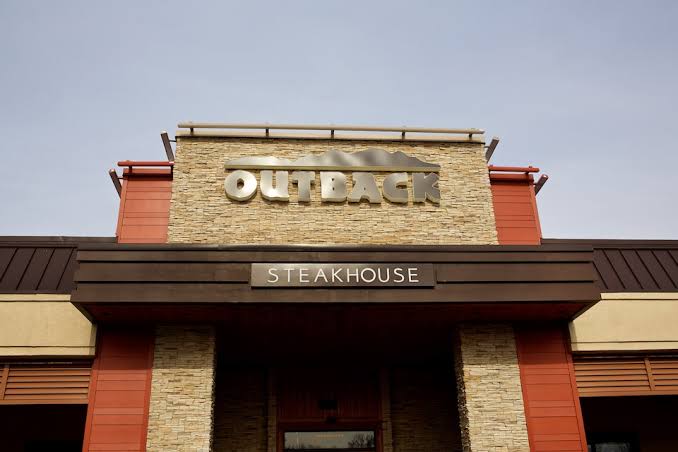
Credit: Google map
And as if that blow wasn't enough, Tamlynn was abruptly informed that her employment had been terminated.
advertisement
Within the realm of Outback Steakhouse, a company policy cast its shadow over the unfolding saga, forever altering the course of events for Tamlynn Yoder.
Nestled amidst the sizzling steaks and warm hospitality, an unwritten rule prevailed, strictly forbidding employees from discussing customers online.
advertisement
Unfortunately, Tamlynn's heartfelt complaint had inadvertently breached this policy, setting in motion a chain of events that would ultimately lead to her departure from the establishment.
As news of her plight reached the ears of Christ Fellowship, the very patrons involved in the disputed order, a remarkable act of empathy and understanding took shape.
advertisement
Despite the initial miscommunication, they expressed their remorse, clarifying that they typically tipped when ordering food and acknowledged that their volunteer, who collected the order, was unaware of this practice.

Credit: pexels
Moved by the circumstances, Christ Fellowship rallied together, showcasing their compassion by raising funds for Tamlynn.
advertisement
The outpouring of support served as a testament to their recognition of the value of her hard work.
In a beautiful twist, Tamlynn herself acknowledged that the compensation she received from their gesture surpassed what the tip would have amounted to, highlighting the significance of this heartfelt response.
advertisement
In the intricate tapestry of the service industry, tales of both inspiration and exasperation have shaped our perceptions of tipping.
For those fortunate enough to have friends working in this realm, their firsthand accounts of the challenges faced by service professionals have often served as eye-opening experiences.
advertisement
These stories, at times, have prompted a profound shift in their understanding of the importance of tipping.

pexels
Yet, amidst the myriad of tipping experiences, there exist individuals who have elevated the act of being annoyingly generous to an art form.
advertisement
These unique characters, while often exasperating, inadvertently highlight the undeniable reliance that servers have on tips to supplement their wages.
It's a delicate dance where frustration and gratitude intermingle, held together by the knowledge that financial stability hangs in the balance.
advertisement
However, it is important to acknowledge that not everyone is enamored with the proliferation of the tipping culture.
There is a growing sentiment that a fair wage should be the foundation, and tipping should be an optional bonus rather than an obligation.
The dream of a society where everyone receives just compensation for their work fuels the desire for change.
But until that transformative shift takes place, the reality persists—tipping remains a customary practice.
advertisement
It is a temporary solution that enables us to support those in the service industry as they navigate an imperfect system.
As we strive for a better tomorrow, let us continue to tip, recognizing its significance in the lives of hardworking individuals while advocating for a more equitable future for all.