The drug currently known as Krokodil was born in the early 1930s as desomorphine, a fast-acting alternative to morphine. At the time, the hope was that desomorphine’s greater power and faster action would mean it had to be administered less than its slightly more complex counterpart, and thus reduce the incidence of nausea and other negative side effects of similar opiate painkillers.
advertisement
#1
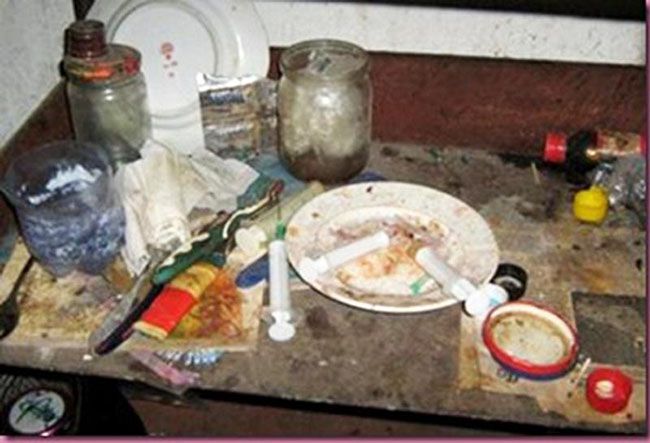
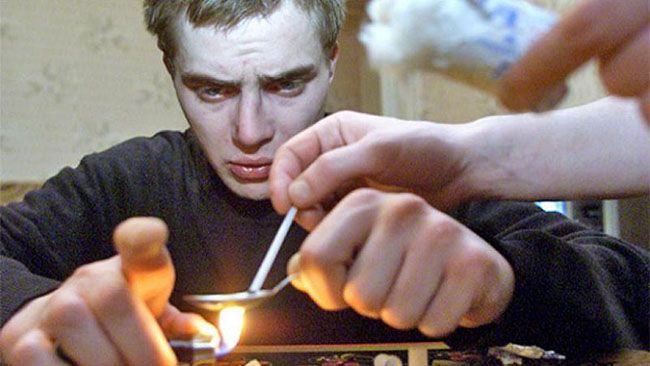
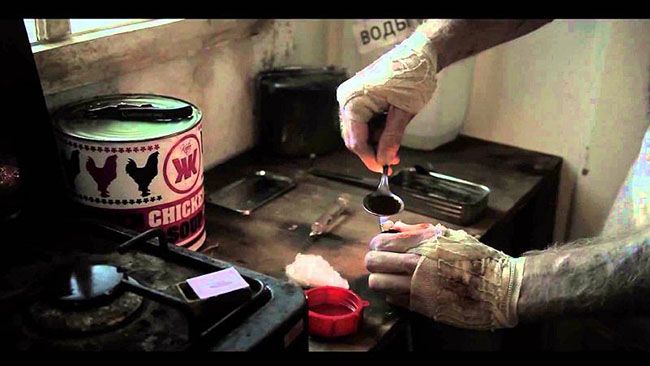
Krokodil is administered much like heroin, but it has to be prepared before cooking. Street chemists usually start with codeine, and typical additives include, but are by no means limited to, gasoline, rubbing alcohol, red phosphorous from match heads, and iodine. Even worse, Russian addicts have discovered that the drug's effects are much more intense if it's cooked in eyewash solution, rather than distilled water. As you may have guessed, eye drops are not intended for internal consumption, and the solution wreaks havoc on almost every organ in the body.
#2
It certainly doesn't help that the conditions for cooking are usually less hygienic than the bathroom at a dirty bookstore.
advertisement
#3
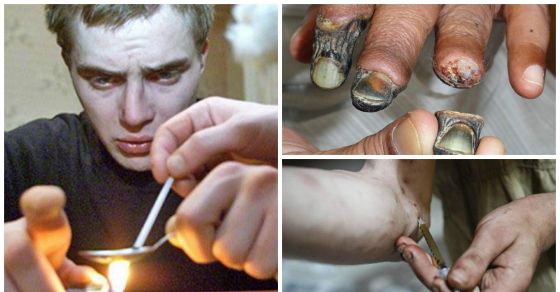
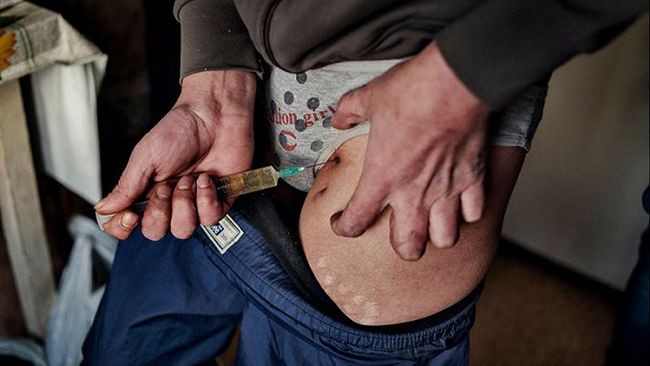
Extended IV drug use tends to damage veins close to the surface. This is a common problem for anyone who regularly injects, but krokodil's unique cocktail of horrible garbage and industrial solvents crushes veins after just a few shots. This forces addicts to find new spots every few days or weeks.
Here, Oxana, 33 , is injecting Krokodil in Yekaterinburg, Russia.
#4
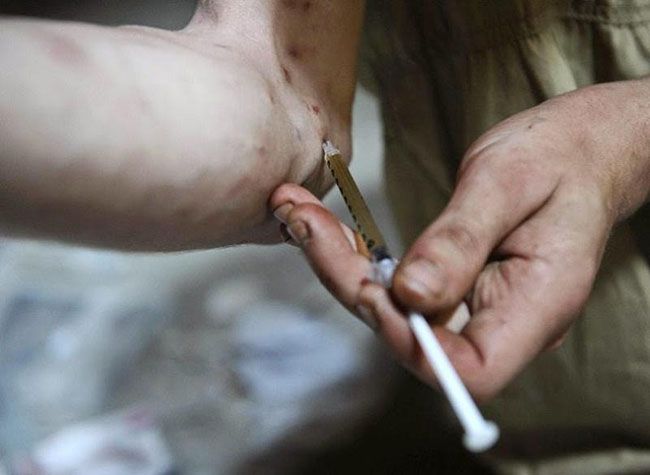
This probably hurts a lot.
advertisement
#5
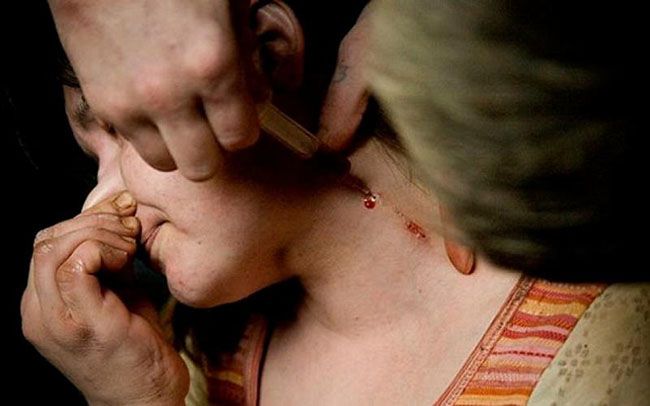
This probably hurts worse.
advertisement
#6
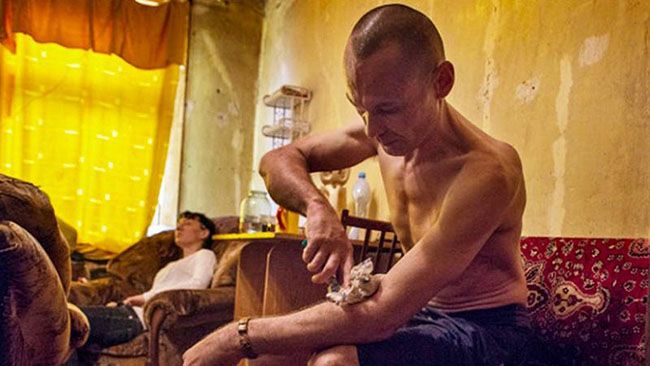
As cheap as it is, even krokodil is sometimes beyond the price range of its heavy users. One solution is for multiple users to pool their resources and buy a dose or two together, then share the needle. This works as well as you'd expect it to.
advertisement
#7
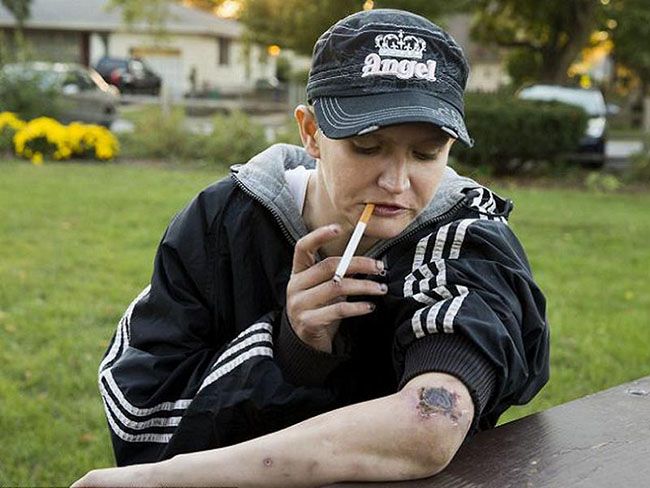
It isn't long before the damage starts to show. Krokodil often causes painful swellings, called hematomas, which are basically pockets of the drug pooling under the skin. Since the desomorphine is suspended in basically poison, gangrene sets in quickly and the flesh starts to rot at the site. The lesion on this woman's arm is dead skin, muscle, and connective tissue. It will not heal.
advertisement
#8
Eventually, the flesh starts to die at every injection site. The pictures get a lot worse from here.

advertisement
#9
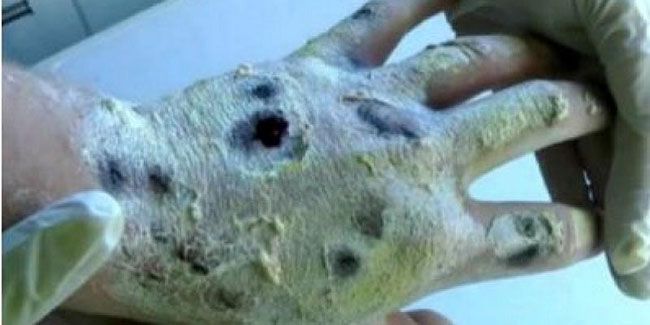
As the injected material diffuses through the surrounding tissues, the necrosis becomes more general. These "scales" are the source of the drug's street name, as the user's skin comes to resemble the scales of a crocodile hence the name.
advertisement
#10
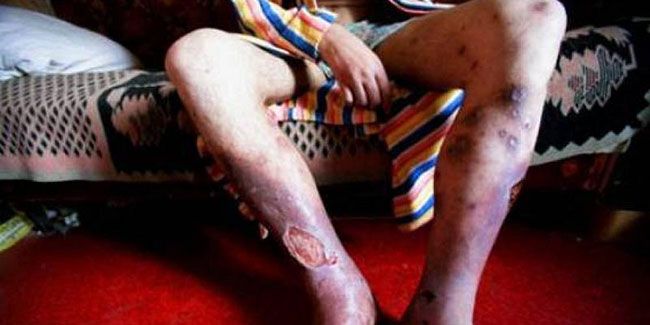
Damage to the local capillary beds causes blood to seep out into the interstitial space between cells. This blood cannot be pumped away, so it pools and causes painful swelling and inflammation. Users' legs are often swollen with terrible cellulitis.
advertisement
#11
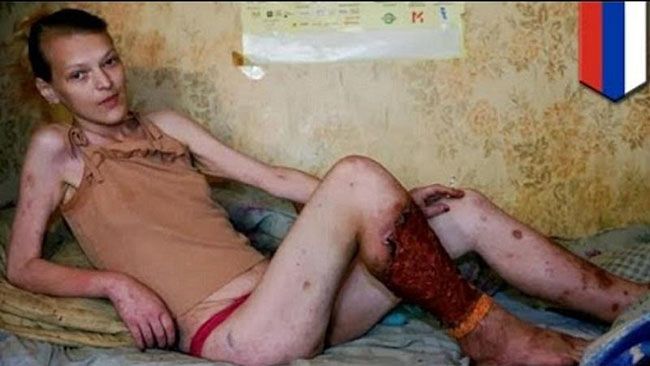
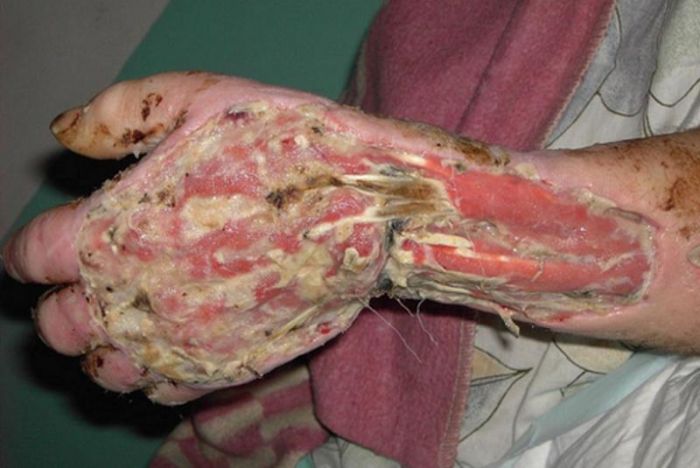
The inflamed tissue can't last forever. When the layers of skin have been damaged enough to detach from the underlying muscle and bone, that's just what they do.
advertisement
#12
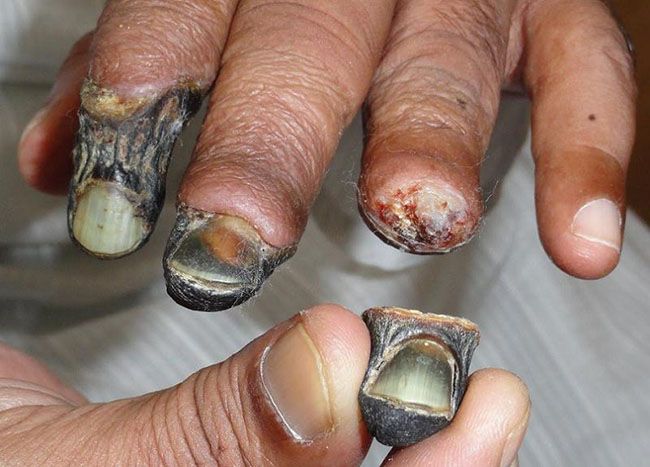
Sometimes the gangrene resembles severe frostbite, and for the same reason: restricted blood flow, leading to localized tissue death.
#13
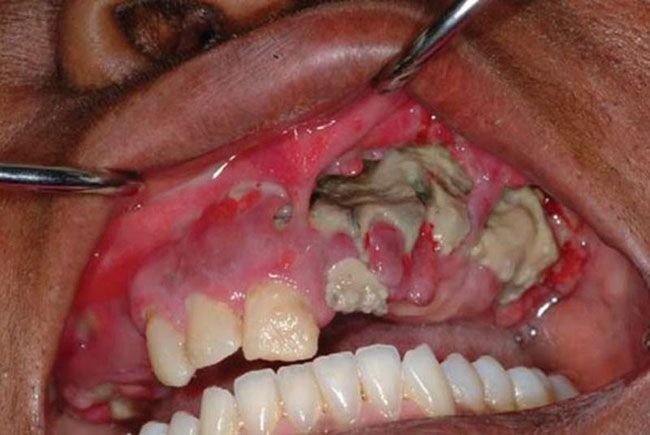
The hunt for new injection sites sometimes gets desperate. That gray tissue is receding bone.
advertisement
#14
None of these are morgue pictures of dead bodies. All of the people featured here were alive at the time their picture was taken. That means people walk around dripping flesh like the Walking Dead.
#15
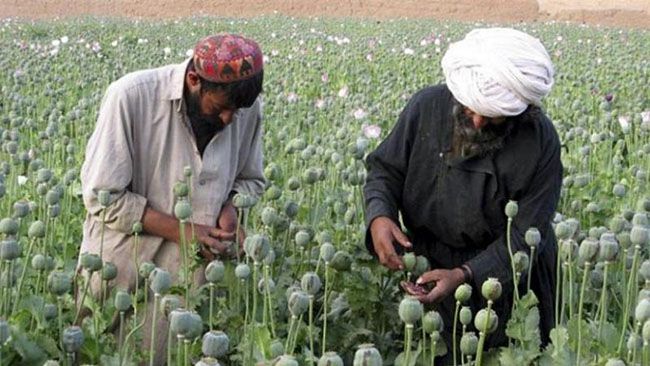
The opium and codeine that eventually get cooked into the world's illicit desomorphine supply mostly begins in Afghanistan. From there, the drugs flow across the open, hard-to-police lands of the former Soviet republics Uzbekistan, Tajikistan, and especially Kazakhstan. A bit of bribery then gets the shipments into rural marketplaces in Russia, where it's sold from the back of trucks, guarded by some of the scariest goddamned people in the world.
advertisement
#16
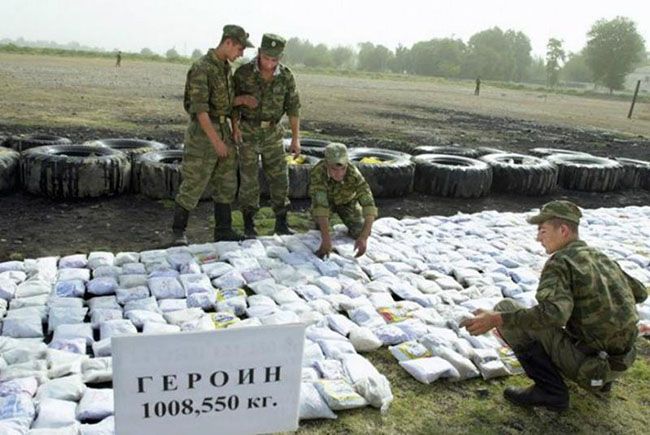
Ironically, krokodil's popularity owes something to the immense pressure Russia has put on the former Soviet states to crush the heroin trade. Here, Tajik security seizes over 1,000 kilograms of the stuff. By mounting an actually successful interdiction effort, these countries' border patrols have only made heroin too expensive for ordinary, unemployed Russians in remote provinces. Hence the low-end market for krokodil, which up to 100,000 Russians consume, estimates say. Another 20,000 users live (for now) in Ukraine.
#17
The average krokodil addict doesn't live long. Some estimates place the user's life expectancy at a little under one year, once they start using regularly. That means that, while all of the people featured in this post were alive when their pictures were taken, most if not all of them may be dead by the time you read it.